


Seoul
Seoul is South Korea's capital and its largest city, home to nearly ten million people. It combines centuries-old royal palaces and hanok neighborhoods with dense blocks of high-rises, malls, and neon signs. A single day here can run from a quiet palace courtyard in the morning to a crowded market alley at lunch and a riverside park at night.
The city spreads across hills on both banks of the Han River, but an extensive subway network keeps every part of it within easy reach. Seoul suits travelers who want real historical depth, an enormous range of food, and constant activity, rather than a slow or quiet trip.

Seoul – Planning a Trip?
Build your day-by-day itinerary in the Tripomatic app.


When to visit
Spring (April–May) and autumn (September–October) are mild and are Seoul's best months to visit; summer (July–August) is hot, humid, and rainy, and winter (December–February) is cold and dry with occasional snow. Plan around the Yeouido Spring Flower Festival in early April, when cherry trees along the Han River bloom for about a week and hotels book up fast.
Best time to visit: May, June, September, October
Top sights
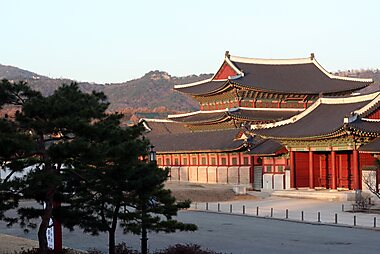

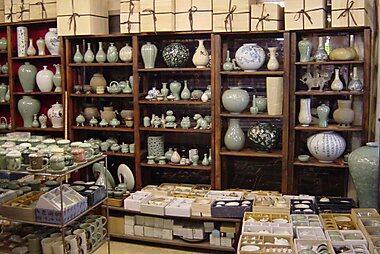
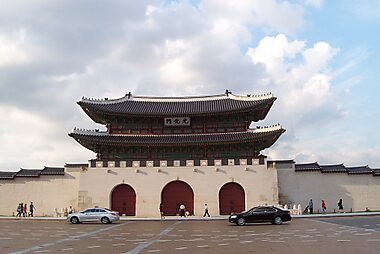
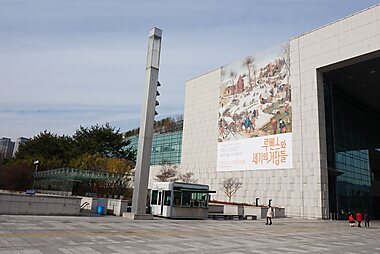
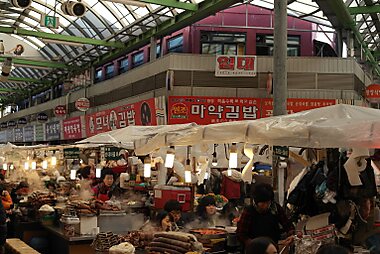
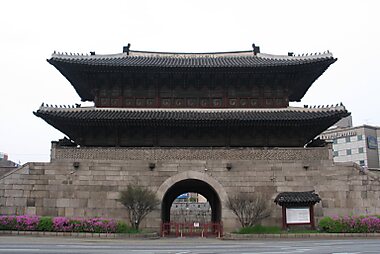
Gyeongbokgung Palace is Seoul's largest and most visited royal palace, with a changing-of-the-guard ceremony held several times a day at its main gate. Its throne hall and grounds give the clearest sense of the Joseon dynasty that ruled Korea for five centuries.
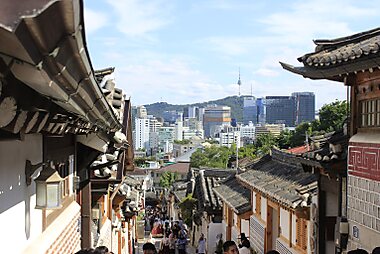
Just north of it, Bukchon Hanok Village is a hillside neighborhood of traditional wooden hanok houses, many now converted into cafes, tea houses, and small guesthouses.
Changdeokgung Palace is smaller and quieter than Gyeongbokgung, and its rear garden, Huwon, is considered the finest palace garden in Korea.
For a view over the whole city, ride the cable car up to N Seoul Tower on Namsan mountain, especially near sunset.
Insa-dong is a pedestrian street of antique shops, tea houses, and calligraphy stores, one of the last parts of central Seoul to keep its traditional character at street level.
Myeongdong Shopping Street is the city's busiest shopping district, packed with cosmetics stores and street-food stalls that stay open into the night.
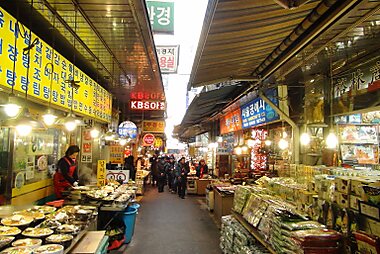
Gwangjang Market is a century-old covered market known for its street food, especially bindaetteok (mung bean pancakes) and knife-cut noodles.
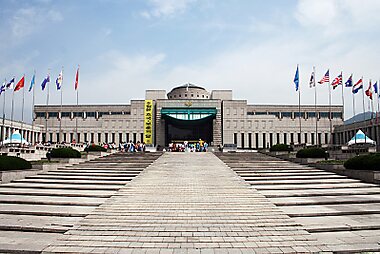
The War Memorial of Korea covers the 1950–53 Korean War in detail, with outdoor displays of tanks and aircraft alongside indoor exhibits.
Featured Lists


Editor's Choice: Seoul Highlights
This curated selection spans Seoul’s diverse cultural landscape, featuring major national institutions and vibrant urban districts. The collection includes the National Museum of Korea and specialized museums within Gyeongbokgung Palace grounds, such as the National Folk Museum and National Palace Museum. Explore the hillside artworks of Ihwa Mural Village, the contemporary galleries of MMCA, or the historic Bongeunsa Temple in Gangnam. The list also highlights modern landmarks like the Some Sevit floating islands on the Han River and the energetic Hongdae shopping district.
8 places


Seoul's Art & Culture Hubs
Seoul’s art landscape spans from the Rem Koolhaas-designed Seoul National University Museum of Art to the traditional performance stages of the National Gugak Center. This collection includes major institutions like the Seoul Arts Center, which houses the Hangaram Museum, alongside grassroots initiatives such as the Naksan Public Art Project. Visitors can explore specialized venues like the Lock Museum or interactive spaces like the Trick Eye Museum, reflecting the city’s blend of historical preservation and modern creative expression.
20 places

What to experience
- Watch the sunset and city lights from N Seoul Tower after riding the cable car up Namsan mountain.
- Take an evening walk or bike ride along the Han River, then catch the Moonlight Rainbow Fountain show on Banpo Bridge Moonlight Rainbow Fountain after dark.
- Order a Korean barbecue dinner cooked at your own table, then follow it with a round of noraebang, a private karaoke room — a genuine local night-out ritual, not a tourist add-on.
- Spend a few hours in a jjimjilbang, a 24-hour public bathhouse and sauna with heated floor rooms and communal soaking pools, a Korean tradition rather than a spa treatment aimed at visitors.
- Hike a section of the old Seoul City Wall trail past Naksan Park for skyline views over the old city without a long climb.
Tours & Activities
Seoul — Map

 Open the interactive map
 Day trips
Seoul makes a good base for day trips into the surrounding region. All of the following work as a there-and-back trip in a single day.
- Suwon (~1 hour by subway, or about 35–40 min by intercity train): home to Hwaseong Fortress, a UNESCO World Heritage fortress wall built in the 1790s that still rings the old town; walk or cycle the full loop for city views.
- Incheon (~1 hour by subway): a port city with a historic Chinatown near the waterfront; also home to Incheon International Airport.
- Paju (~1 to 1.5 hours by tour bus or car): home to the Demilitarized Zone (DMZ) sites around Imjingak Park, including observation points looking into North Korea; DMZ tours must be booked in advance and require passport identification.
- Gapyeong (~1.5 hours by train): gateway to Nami Island, a tree-lined river island popular for photos, and to the Petite France theme village.
Getting there
- By air: Incheon International Airport (ICN) is South Korea's main international gateway, about 50 km west of central Seoul. The AREX airport express train reaches Seoul Station in around 45 minutes for roughly 14,000 KRW (cheaper with an online discount fare); a limousine bus takes 60–90 minutes depending on traffic. Incheon International Airport
- Gimpo International Airport (GMP), closer to the city center, mainly handles domestic flights and short regional routes to Japan and China.
- By train: Seoul Station and Yongsan Station are the main hubs for the KTX high-speed rail network, reaching Busan, Daegu, and other major cities in under three hours. Korail
- By bus: Seoul Express Bus Terminal and the Central City Terminal run long-distance coaches to cities across the country.
Getting around
- Subway: Seoul has one of the world's largest metro networks, with stations signed in English, Korean, Chinese, and Japanese. Buy a T-money card at any convenience store or station machine to tap in and out on the subway, city buses, and most taxis; single paper tickets are also sold but cost slightly more and require a small deposit. Seoul Metro
- Taxi: regular and larger deluxe taxis are metered and easy to find; Kakao T is the dominant ride-hailing app, and few drivers speak English, so having your destination written in Korean helps.
- On foot and by bike: central districts like Bukchon, Insadong, and Myeongdong are walkable, but distances between districts are long. Seoul's public bike-share system, Ttareungyi, covers much of the city, including paths along the Han River.
Driving
- Is a car worth it? No — public transit covers the whole city and traffic is heavy; a car adds cost and stress without a real benefit for a city stay. A car only helps if you plan to explore Gyeonggi province independently.
- Parking: expect to pay for parking everywhere in the center; malls and hotels have paid garages, and street parking is limited and metered.
- Restrictions: streets around the palaces sometimes close to private cars during festivals and public holidays; check local signage in advance.
Food & drink
Korean food in Seoul ranges from cheap street stalls to elaborate multi-course meals. Grilled meat, spicy stews, and fermented side dishes anchor most menus, and side dishes (banchan) are refilled for free at most restaurants.
For a concentrated taste of it, head to Gwangjang Market for street food like bindaetteok and mayak gimbap, or to the alleys around Myeongdong and Euljiro for late-night grilled meat and seafood. Tipping is not expected anywhere in the city, and a service charge is rarely added outside hotels.
Safety & health
Seoul is one of the safer major capitals for tourists, with a low rate of violent crime; walking around at night, including alone, is common practice. The most frequent issues are pickpocketing in crowded tourist spots and overpriced restaurants near major sights, so check menus and prices before sitting down.
Tap water meets safety standards, but most residents and visitors drink bottled or filtered water for taste rather than safety, and free water is provided at every restaurant. Pharmacies, marked with a green cross, are common and can advise on minor ailments; bring photo ID if you need a prescription filled.
History
Seoul has been Korea's capital since 1394, when the founder of the Joseon dynasty chose the site for its favorable geography and built Gyeongbokgung Palace as his primary palace. Later kings added Changdeokgung Palace in 1405 as a second palace, and eventually made it their main royal seat for much of the dynasty.
The 20th century brought Japanese colonial rule from 1910 to 1945, during which many royal buildings were damaged or dismantled, followed by the devastation of the Korean War from 1950 to 1953, documented in detail at The War Memorial of Korea. Seoul was rebuilt almost entirely afterward, and its growth from a war-damaged capital into one of the world's largest metropolitan economies is often called the Miracle on the Han River.
Country facts
Here are the essentials for traveling in South Korea:
- Currency
- South Korean Won KRW ₩ · Card payments · Widely accepted
- Electricity
- 220 V · 60 HzType C / Type F
- Languages
- Korean
- Tap water
- Safe to drink
- Driving side
- Right
- Calling code
- +82


Seoul – Plan Your Days
Turn the places from this guide into a real itinerary, with smart routing, time estimates, and everything you need for a perfect trip.




