



Tajikistan
Tajikistan is a small, landlocked country in Central Asia. More than 90% of it is mountains. The Pamir range covers the east, and the Fann Mountains rise in the northwest. The capital is Dushanbe. The country has few visitors, and travel here is simple and rough rather than polished.
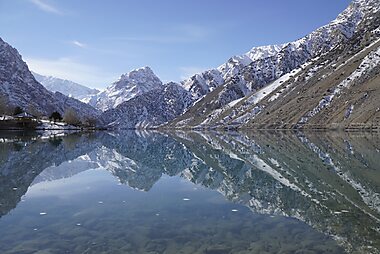
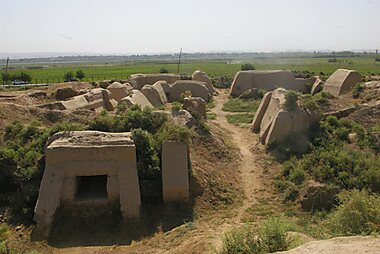
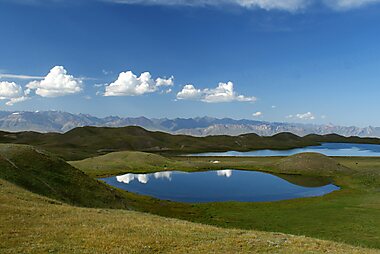
It suits active and independent travelers. Most people come for mountain lakes such as Iskanderkul, trekking in the Fann Mountains, and the Pamir Highway. There are also ancient Silk Road sites like Sarazm. Distances are long, roads are slow, and the east is high and remote. Plan extra time, and expect basic homestays outside the main towns.




Tajikistan – Planning a Trip?
Build your day-by-day itinerary in the Tripomatic app.


Money & payments
The currency is the somoni (100 dirams). Cash is the main way to pay. Outside Dushanbe and Khujand, cards are rare, and ATMs can be few or empty in the mountains. Bring some cash for the Pamirs, and change or withdraw money before you leave a big town.
Prices are low by European standards. Homestays and guesthouses often include dinner and breakfast. Long private car trips, such as a Pamir Highway jeep, are the largest cost.
Featured Lists


Tours & Activities
Tajikistan — Map

 Open the interactive map
 Tipping
Tipping is small and not strict. In restaurants, round up or leave a little if there is no service charge. Taxi drivers do not expect a tip, so agree the price before you start. If you travel several days with a driver or guide, a tip at the end is welcome.
round up or 5–10 %; check if a service charge is already added
small amount for helpful staff
agree the price first
small tip for guides and drivers after a multi-day trip
Electricity
Tajikistan uses 220 V and 50 Hz with European-style plugs. Bring a universal adapter. Power cuts can happen, especially in villages and in winter.
Language
Tajik is the official language. It is a form of Persian written in the Cyrillic script, so signs are hard to read if you do not know Cyrillic. Russian is widely used in cities and in business. English is limited outside hotels, tour agencies and some young people. In the Pamirs, people also speak local Pamiri languages at home.
A translation app with offline Tajik and Russian helps. Learning to read Cyrillic letters is useful for signs and menus.
Safety & emergencies
Tajikistan is generally calm for tourists, and violent crime against visitors is uncommon. Common problems are petty theft, poor roads, and police checks. Keep your passport, visa and registration papers with you.
- Afghan border: there have been armed incidents near the Afghan border. Avoid the border zone except on the standard Wakhan valley routes, and check your government's travel advisory before you go.
- Photography: do not photograph military sites, checkpoints or border posts.
- Mountains: landslides, rockfall and sudden weather can close roads. Rescue services are limited in remote areas. Get travel insurance that covers high-altitude trekking and evacuation.
- Border crossings: land crossings with Kyrgyzstan and Uzbekistan can close without notice. Add buffer time to your plans.
Local police may ask to see documents. Stay calm and polite.
Health
- Water: do not drink tap water. Use bottled, boiled or filtered water. In villages, treat river and spring water before drinking.
- Altitude: the Pamir Highway crosses passes above 4,500 m, such as Ak-Baital Pass. Qarokul and Murghob are also very high. Climb slowly, drink water and rest. Serious altitude sickness needs a lower altitude fast.
- Food: eat freshly cooked food. Wash or peel fruit and vegetables.
- Medical care: care is basic outside Dushanbe, and very limited in the mountains. Bring your own medicines and a first-aid kit. Pharmacies in towns sell common medicines.
- Vaccinations: check with a travel clinic before you go. Routine vaccines and hepatitis A are often advised.
Visas & entry
Many nationalities can enter visa-free for a limited stay, and others can apply for an e-visa online. Rules depend on your passport and change often. Check the length of stay allowed for your nationality.
- GBAO permit: the Gorno-Badakhshan region (Khorog, Wakhan valley, Murghob and most of the Pamir Highway) needs a special permit in addition to your visa. Request it together with the e-visa, or through a local agency. It can take 1 to 2 weeks, so apply early.
- Registration: foreign visitors are generally required to register with the authorities within about 3 working days of arrival. Hotels normally do this for you. For a private stay, you may need to register in person. Check current rules.
- Border zones: some areas near the Afghan border need extra permission, and checkpoints are common.
Visa and entry requirements change frequently. Verify current requirements with the official immigration authority or your country's embassy before travel.
Etiquette
- Dress: Tajikistan is mostly Muslim. Dress modestly, and cover shoulders and knees, especially in villages and at religious sites.
- Homes: take off your shoes at the door. If you are invited to eat, accept tea and bread. Bread is respected, so do not put it upside down or on the ground.
- Greetings: shake hands with men. With women, wait for them to offer a hand or greet with a nod.
- Guests: hospitality is strong. Accept tea, and bring a small gift such as sweets if you stay in a home.
- Photos: ask before you photograph people, especially women. Avoid government buildings and military sites.
- Alcohol: it is available in cities, but drink discreetly. In the Pamirs, respect local customs.
Getting around
- By road: this is the main way to travel. Shared taxis and minibuses link Dushanbe with Khujand, Panjakent, Kulob and other towns. They leave when full. Private drivers with a car or jeep are common for tourists.
- Pamir Highway: most travelers go with a driver or in a hired 4x4 from Dushanbe to Khorog, Murghob and on to Kyrgyzstan. The trip takes several days, and roads are rough. Plan extra time for weather and delays.
- By air: domestic flights are limited and depend on the weather. Check current schedules.
- City transport: in Dushanbe, buses and taxis are cheap. Pay in cash. Agree taxi prices before you get in.
- Trains: the rail network is limited and not useful for most trips.
Driving
- Key rules: the alcohol limit is zero. Carry your passport, licence and an International Driving Permit. A warning triangle and vest are required. Police checks are common.
- Roads: outside main routes, roads can be rough, narrow and slow. Landslides and snow often close mountain roads. A high-clearance 4x4 is best for the Pamirs.
- Fuel: stations can be far apart in the east. Fill up in Khorog or Murghob and carry spare fuel. Pay in cash where cards are not accepted.
- Winter: passes in the mountains are often closed or icy from about November to April.
- Rental cars: self-drive is uncommon. Most visitors hire a car with a driver.
Food & drink
Meals are simple and filling. Breakfast is often bread, tea and something like eggs or porridge. Lunch and dinner are usually soup, meat, rice or noodles, with bread and green tea. The national dish is plov, called oshi palav. Another well-known dish is qurutob, made with flatbread, a salty yogurt sauce and vegetables.
Street food and snacks include sambusa pastries, grilled meat skewers (shashlik), dumplings and fresh bread from the oven. Fruit is cheap and good in season: apricots, melons and grapes.
Tea is served everywhere, often in teahouses called choykhona. Kefir and fruit compote are common drinks. Alcohol is served in some restaurants in cities. In homestays in the mountains, dinner is usually included and food can be plain, with limited vegetarian choices.
Where to explore
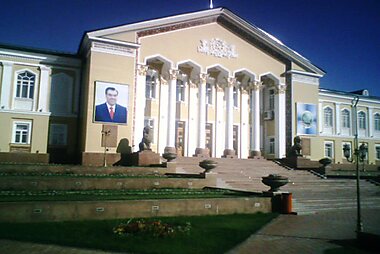
- Dushanbe: the capital and the usual starting point. It has wide avenues, parks and museums. It is a base for trips to the Fann Mountains and the south.
- Fann Mountains and Sughd: north of Dushanbe. Iskanderkul is the easiest lake to reach. The Seven Lakes (Haft Kul) near Panjakent are a popular trek. Panjakent is also close to the ancient Sogdian ruins and Sarazm, a UNESCO World Heritage Site. Khujand, the main northern city, has Arbob Palace.
- Hisor: a short trip west of Dushanbe. The Hisor Fortress and its historic gate are the main sights.
- South and Khatlon: the area around Bokhtar and Kulob. Ajina-Teppa Buddhist Monastery Excavation is a Buddhist monastery site.
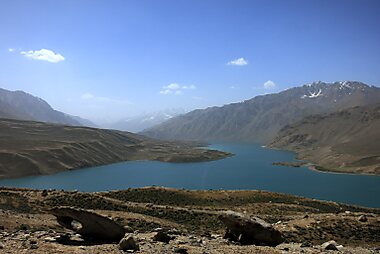
- Gorno-Badakhshan and the Pamirs: the high east. Khorog is the regional capital. The Wakhan valley runs along the Afghan border, and travelers can see the Hindu Kush across the river. Murghob is the highest town in the country. Nearby are Qarokul and Lake Yashilkul, and the Pamir Highway climbs to Ak-Baital Pass. Lenin Peak is a famous high peak on the Kyrgyz border.


Tajikistan – Add to Your Trip
Create a detailed travel itinerary with smart routing, time estimates, and everything you need for a perfect trip.


Data: © OpenStreetMap contributors, Wikidata, Wikipedia, Tripomatic, Official websites, geoBoundaries (CC BY 4.0). Tours by GetYourGuide. We earn commission from bookings. Travel guide generated with AI.