



Zimbabwe
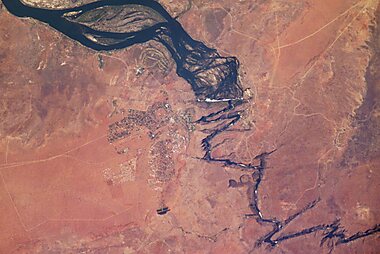
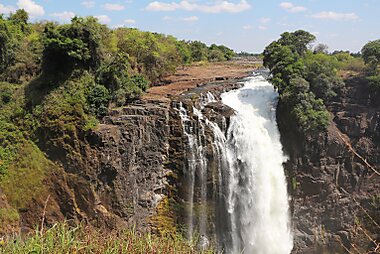
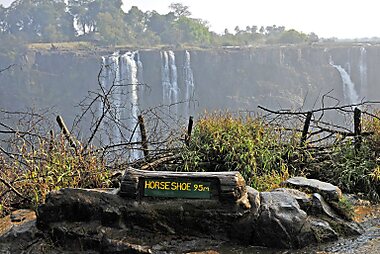
Zimbabwe is a landlocked country in southern Africa, home to one of the world's largest waterfalls and some of the continent's best wildlife viewing. Victoria Falls marks the border with Zambia and draws visitors for its size, power, and adrenaline activities like white-water rafting and bungee jumping. Inland, large national parks protect big herds of elephant, buffalo, and lion, and the granite hills of the Eastern Highlands offer cooler, greener scenery than the rest of the country.
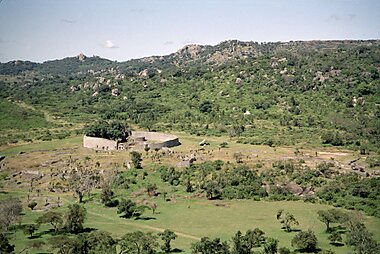
The country's history runs deep. Great Zimbabwe was the capital of a powerful medieval trading kingdom and gave modern Zimbabwe its name. The country suits travelers who want wildlife safaris, waterfall adventure sports, and open, uncrowded landscapes, rather than polished resort infrastructure.




Zimbabwe – Planning a Trip?
Build your day-by-day itinerary in the Tripomatic app.


Money & payments
Zimbabwe uses two currencies side by side. The official currency is the Zimbabwe Gold (ZWG), but US dollars are widely accepted and often preferred, especially by hotels, safari operators, and tour guides.
Carry small USD bills for everyday spending. Fuel stations, markets, and rural shops often cannot break large notes and may give change in ZWG instead of USD. Card payments work in Harare, Bulawayo, and tourist hubs like Victoria Falls. They fail often and can carry extra fees, so keep enough USD cash for several days. ATMs are unreliable and often limit how much you can withdraw, so do not rely on them as a backup.
Featured Lists

Tours & Activities
Zimbabwe — Map

 Open the interactive map
 Tipping
Tipping in Zimbabwe follows international safari norms more than a fixed local custom. In city restaurants and bars, a tip is appreciated but not automatic. On safari, tipping your guide and tracker is expected and makes up a real part of their income; many lodges post suggested daily amounts per guest.
~10% if not already included
small cash tip for porters and housekeeping
round up
$10-20 per day on safari, per guest
Electricity
Zimbabwe uses Type G plugs, the same three-pin plug as the United Kingdom, at 230 V / 50 Hz. Power cuts are frequent and can last for hours, so most hotels and lodges run backup generators or solar power; a power bank is worth packing.
Language
English is the language of government, business, and most signage, so getting around as an English speaker is easy. Shona and Ndebele are the most widely spoken languages among the population, alongside several smaller regional languages. A few words in Shona are appreciated outside tourist areas.
Staying connected
Mobile coverage is solid in Harare, Bulawayo, and along the main tourist routes, including Victoria Falls, but drops off quickly inside national parks and remote safari areas. Buying a local SIM card requires your passport for registration, so keep it with you when you visit a phone shop. eSIMs are an easier option if your phone supports one.
Safety & emergencies
Most visits to Zimbabwe are trouble-free, but stay alert in city centers. Mugging, pickpocketing, and bag-snatching happen in Harare and Bulawayo, especially after dark. Smash-and-grab thefts from cars occur on some routes, including roads to the airport, so keep doors locked and windows up, particularly at night and near fuel stations. Avoid displaying cash or valuables in public, and avoid political gatherings and demonstrations.
Road travel carries real risk: potholes, unlit vehicles, and stray livestock are common, and traffic accidents are a leading cause of injury to visitors. On safari, keep a safe distance from wildlife at all times, even inside camps, and make sure your travel insurance covers the activities you plan to do.
Health
Tap water is not reliably safe to drink, even in Harare and Bulawayo, where supply is inconsistent. Stick to bottled or filtered water. Malaria is a risk in the lower-lying areas most visitors travel through, including Victoria Falls, the Zambezi Valley, Kariba, Hwange, and Mana Pools. Talk to a travel clinic about antimalarial medication before you go. Harare, Bulawayo, and the Eastern Highlands sit at higher altitude and carry a lower risk. Pharmacies are well stocked in the main cities but scarce in rural areas and safari camps, so bring any medication you need with you.
Visas & entry
Citizens of many countries can get a Zimbabwe visa on arrival, valid for 30 days and extendable to 90 for tourism. An e-Visa can also be arranged online before you travel, usually processed within a couple of working days. The KAZA UniVisa covers both Zimbabwe and Zambia on one visa, valid for up to 30 days, and also allows a day trip into Botswana through Kazungula.
Visa and entry requirements change frequently. Verify current requirements with the official immigration authority or your country's embassy before travel.
Etiquette
A greeting comes before any request or transaction, even a quick one at a shop counter; skipping it can come across as rude. Dress modestly at churches and in rural communities. Avoid photographing government buildings, military sites, and police or soldiers — this can lead to serious trouble with authorities. Ask permission before photographing people, especially outside cities.
Holidays & opening hours
Public holidays can close banks, government offices, and some shops for the day, and long-distance transport gets busier around Independence Day, Easter, and Christmas. Many shops keep shorter hours or close entirely on Sundays outside the main cities.
Getting around
- By air: Domestic flights connect Harare, Bulawayo, and Victoria Falls, and are worth booking for long distances — road trips between them take most of a day.
- By road: Intercity coaches link the main towns and are a reasonably comfortable way to travel without a car. Shared minibuses ("kombis") are the cheapest option but are often crowded and driven fast; most visitors skip them.
- By car: Self-drive or a hired driver gives the most flexibility for reaching national parks and the Eastern Highlands, where public transport is limited or absent.
Zimbabwe drives on the left.
Driving
- Speed limits: 60 km/h in built-up areas, 80 km/h on rural roads, and up to 120 km/h on the few dual-carriageway highway sections.
- Wildlife on the road: Animals cross highways near national parks, especially at dusk and after dark. Avoid night driving outside cities where you can.
- Checkpoints: Police checkpoints on main roads are routine. Carry your passport, driving licence, and vehicle papers at all times.
- Tolls: Toll gates on national highways charge a small per-vehicle fee, payable in cash in USD.
- Fuel: Stations are attendant-served, not self-service, and usually expect payment in USD cash.
Food & drink
The Zimbabwean staple is sadza, a thick maize porridge, eaten with a relish of meat stew, beans, or leafy greens like rape or covo. Grilled meat, cooked over an open fire in a style close to South African braai, is a weekend and social-occasion favorite. Breakfast is often a thinner maize porridge called bota, sometimes flavored with peanut butter.
Snacks include roasted or boiled maize sold by street vendors, biltong (dried, salted meat), and mopane worms, a protein-rich caterpillar that is a genuine regional delicacy rather than a novelty item. Tea, a habit from the colonial era, is common throughout the day. Chibuku, a traditional opaque beer made from sorghum or maize, is widely drunk alongside conventional lagers.
Where to explore
Harare, the capital, is the country's business and cultural hub, with jacaranda-lined streets, art galleries, and live music venues. Bulawayo, the second city, has a slower pace and some of the country's best-preserved colonial-era architecture; it is also the usual gateway to Matobo, known for its balancing granite boulders and rock art.
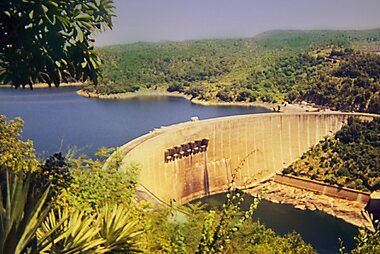
Victoria Falls sits right at the falls and is built almost entirely around tourism, from white-water rafting to sunset cruises on the Zambezi. Kariba is the base for houseboat trips and fishing on Lake Kariba, and a gateway to Mana Pools, a UNESCO-listed park known for walking safaris among elephant and hippo.
Hwange is Zimbabwe's largest national park and one of the best places in the region for big-game safaris, including large elephant herds. In the south, Masvingo is the usual base for visiting the Great Zimbabwe ruins. The cooler, mountainous Nyanga area, near Mutare in the Eastern Highlands, is known for hiking, waterfalls, and tea plantations.
Zimbabwe – Plan Your Trip
Pick the places you want to see and Tripomatic turns them into a day-by-day route, with smart routing, time estimates, and everything you need for a perfect trip.


Related destinations


Data: © OpenStreetMap contributors, Wikidata, Wikipedia, Tripomatic, Official websites, geoBoundaries (CC BY 4.0). Tours by GetYourGuide. We earn commission from bookings. Travel guide generated with AI.