


Roma
Roma es la capital de Italia y una de las ciudades más visitadas del mundo. Más de dos mil años de historia se concentran en un único centro que se puede recorrer a pie: ruinas antiguas, iglesias renacentistas y fuentes barrocas conviven unas junto a otras. El Vaticano, sede del Papa, conforma su propio y pequeño estado independiente dentro de las fronteras de Roma. La visita es ideal para los viajeros que desean contemplar de cerca monumentos de fama mundial y no les importan las multitudes ni el calor en temporada alta.
La ciudad premia la exploración pausada a pie. Las comidas se prolongan durante horas y cada barrio mantiene su propio ritmo diario, desde los mercados matutinos hasta la passeggiata vespertina. Pintores y escultores, desde Miguel Ángel hasta Caravaggio, trabajaron aquí, y su arte todavía llena las iglesias y los museos de la ciudad. Roma es una opción perfecta para un primer viaje a Italia, una escapada urbana centrada en la historia o una parada en un recorrido más largo que también incluya Florencia o Nápoles.

Roma – ¿Estás planeando un viaje?
Crea tu itinerario día a día en la app de Tripomatic.
Cuándo viajar
La primavera (abril-junio) y el otoño (septiembre-octubre) son las mejores épocas para visitarla, con días templados y menos multitudes que en verano. El verano se vuelve caluroso y se llena de grupos turísticos. El invierno es fresco y lluvioso, pero mucho más tranquilo, y la Navidad trae luces festivas y belenes por toda la ciudad.
Planifique en torno a la Semana Santa si es posible. El Papa encabeza una procesión con antorchas el Viernes Santo en el Coliseo y celebra la misa del Domingo de Resurrección en la Plaza de San Pedro, atrayendo a grandes multitudes a ambos eventos.
Mejor época para viajar: abril, mayo, octubre
Las tardes de verano se vuelven intensamente calurosas, así que reserve las atracciones al aire libre más importantes para la mañana o la noche y descanse en interiores a mediodía.
Lugares destacados



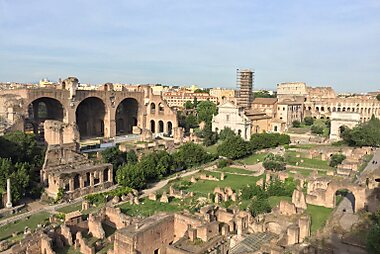


El Coliseo es el monumento más famoso de Roma, el anfiteatro más grande jamás construido en el Imperio romano y el lugar que albergó en su día combates de gladiadores ante 50.000 espectadores.
Junto a él, el Foro Romano fue el corazón político y comercial de la antigua Roma. Ruinas de templos, arcos y edificios gubernamentales llenan este extenso recinto desde el que antaño se gobernaba el imperio.
El Panteón es el edificio mejor conservado de la antigua Roma, un templo reconvertido en iglesia cuya cúpula se ha mantenido en pie sin apoyos durante casi 1.900 años.
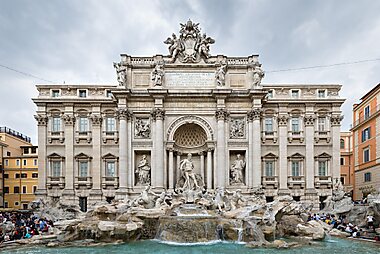
La Fontana de Trevi es la fuente barroca más grande y teatral de Roma, adosada a la fachada de un palacio donde confluyen tres calles.
Los Museos Vaticanos albergan una de las colecciones de arte más importantes del mundo y culminan en la Capilla Sixtina, donde la bóveda y El Juicio Final de Miguel Ángel cubren cada superficie.
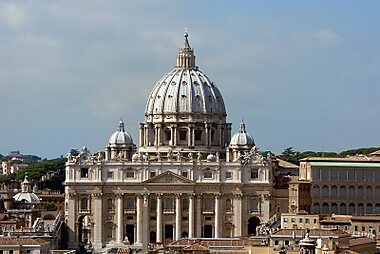
La Basílica de San Pedro es la iglesia más grande del mundo y el centro espiritual de la fe católica. La Piedad de Miguel Ángel se encuentra en su interior, y es posible subir a la cúpula para disfrutar de una vista panorámica de la ciudad.
La Plaza Navona es una elegante plaza barroca construida sobre un antiguo estadio, rodeada de cafeterías y presidida en el centro por la Fuente de los Cuatro Ríos de Bernini.
La Plaza de España cuenta con una imponente escalinata del siglo XVIII que ha sido un punto de encuentro predilecto durante siglos.
Listas destacadas


Sitios Arqueológicos Romanos Antiguos
El paisaje arqueológico de Roma abarca siglos de historia imperial, expuesto a través de estructuras monumentales como el Coliseo y la cúpula de hormigón sin refuerzo del Panteón. El Foro Romano y el Palatino conservan los restos de antiguos centros de gobierno y palacios imperiales, mientras que el Circo Máximo marca el sitio de masivas carreras de carros. Más allá del centro de la ciudad, la lista incluye las extensas ruinas de la Villa de Adriano y las primeras catacumbas cristianas como las de San Calixto y Domitila, que ofrecen una visión de las antiguas prácticas funerarias y la arquitectura subterránea.
17 lugares


Audioguías – Roma
Explora a pie con una visita autoguiada con audio que describe cada punto conforme llegas a él.

Roma en un día
93 min4.6 km9 paradas
Este recorrido a pie de un día conecta los lugares más emblemáticos de Roma: el Coliseo, el Foro Romano, la Colina Capitolina, el Vittoriano en Piazza Venezia, el Panteón y la Fontana di Trevi, para terminar en la Plaza de España, con dos joyas ocultas añadidas por el camino. La ruta recorre unos cuatro kilómetros y medio hacia el norte, desde la Roma antigua hasta el barrio barroco, de modo que las ruinas y la caminata más larga se realizan al principio y el día va concluyendo entre cafés y tiendas cerca del final. Espere multitudes, adoquines y un sinfín de motivos para detenerse; lleve calzado cómodo y reserve gran parte del día. El paseo comienza en el Coliseo, a pocos pasos de la estación de metro Colosseo.

La Roma violenta de Caravaggio
61 min3.0 km6 paradas
Siga al pintor más revolucionario de su época a través de la Roma que lo hizo famoso y luego lo destruyó. Desde la iglesia que impulsó su carrera hasta la plaza donde su temperamento le causó por primera vez verdaderos problemas, este recorrido traza las obras maestras de Caravaggio junto a sus antecedentes policiales: peleas, un apuñalamiento y, finalmente, un duelo fatal en 1606 que lo convirtió en un fugitivo durante el resto de su corta vida. Comienza cerca de la Piazza Venezia y termina junto al río.

Escucha las visitas en audio de Roma
2 rutas a pie en Audioguías de Tripomatic


Qué experimentar
- Lanza una moneda por encima del hombro a la Fontana di Trevi, el clásico ritual que, según se dice, garantiza el regreso a Roma.
- Alquila una barca de remos en el lago del parque de Villa Borghese para pasar una tarde tranquila lejos de las multitudes.
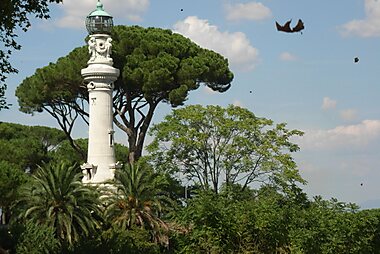
- Contempla la puesta de sol sobre la ciudad desde el Faro del Gianicolo, donde todavía se dispara un cañón todos los días al mediodía.
- Únete a la hora del aperitivo nocturno en Trastevere, cuando los bares llenan las estrechas calles de platillos y spritzes antes de la cena.
Tours y actividades
Roma — Mapa

 Abrir el mapa interactivo
 Excursiones de un día
Roma es una buena base para hacer excursiones de un día, desde ruinas romanas cercanas hasta villas renacentistas y regiones vinícolas.
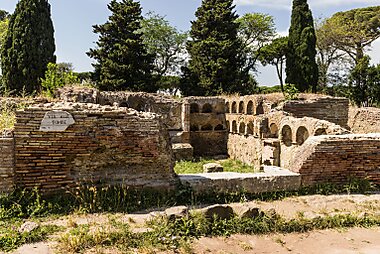
- Ostia Antica (≈30 min en tren): una enorme y bien conservada ciudad portuaria romana con muchas menos aglomeraciones que el Coliseo o el Foro.
- Castel Gandolfo (≈45 min en tren o coche): un pequeño pueblo a orillas del lago Albano, utilizado durante mucho tiempo como residencia de verano del Papa.
- Tívoli (≈1 hora en tren o autobús): hogar de dos lugares declarados Patrimonio de la Humanidad por la UNESCO, los jardines renacentistas repletos de fuentes de Villa de Este y las extensas ruinas de la Villa Adriana.
- Orvieto (≈1,5 horas en tren): un pueblo en lo alto de una colina en Umbría con una catedral gótica a rayas y una ciudad subterránea de cuevas y túneles etruscos.
Cómo llegar
- En avión: La mayoría de los vuelos internacionales aterrizan en el aeropuerto de Fiumicino (FCO), a unos 30 km del centro. El tren Leonardo Express va directo a la estación de Termini en 32 minutos; los trenes regionales y los autobuses son más económicos, pero tardan más. Las aerolíneas de bajo coste y algunas compañías europeas operan en el aeropuerto más pequeño de Ciampino (CIA), conectado con el centro en autobús en unos 40 minutos. Aeropuertos de Roma
- En tren: Roma Termini es la estación principal, con frecuentes trenes de alta velocidad a Florencia (≈1,5 h), Milán (≈3 h), Nápoles (≈1 h) y Venecia (≈4 h). Trenitalia
- En autobús: Los autocares de larga distancia, incluidas las rutas internacionales, llegan a la estación de Tiburtina, el segundo nudo de transporte más grande de Roma.
Cómo desplazarse
- Metro: Tres líneas (A, B, C) cubren los principales lugares de interés, pero evitan gran parte del centro histórico; los trenes funcionan aproximadamente de 5:30 a 23:30 (hasta más tarde los viernes y sábados). Pasa una tarjeta bancaria sin contacto o el teléfono directamente por el torno: no se necesita un billete aparte. O compra en las máquinas expendedoras o estancos un billete de papel válido durante 100 minutos para metro, autobús y tranvía. ATAC
- Autobús y tranvía: Tienen una cobertura más densa que el metro y resultan útiles para llegar al Vaticano y al Trastevere; utilizan el mismo billete y sistema de pago sin contacto que el metro.
- A pie: El centro histórico es compacto y se recorre mejor a pie, pero ten en cuenta los adoquines, las cuestas y las grandes aglomeraciones de peatones alrededor de los principales puntos de interés.
- Taxi: Utiliza únicamente taxis blancos oficiales desde una parada de taxis o reservados por teléfono o mediante una aplicación; acuerda un precio o confirma que el taxímetro esté en marcha antes de subirte.
Conducción
- ¿Vale la pena un coche?: No. Las calles estrechas de sentido único del centro de Roma, el tráfico denso y las zonas restringidas hacen que conducir sea estresante y lento; caminar, el metro y los taxis permiten recorrer el centro de la ciudad mucho mejor.
- Restricciones: Una ZTL (zona de tráfico limitado) cubre la mayor parte del centro histórico y está vigilada por cámaras. Entrar sin un permiso conlleva una multa automática, incluso para los turistas que solo están de paso.
- Aparcamiento: Aparque en un garaje o en un aparcamiento disuasorio junto al metro en las afueras y tome el tren para entrar; el aparcamiento en la calle dentro de la ZTL es escaso, caro y fácil de interpretar mal.
- Un coche solo es útil para explorar por su cuenta los alrededores de la campiña del Lacio; consulte Excursiones de un día.
Gastronomía
La cocina romana se centra en un puñado de platos de pasta sencillos elaborados a la perfección. Pruebe el cacio e pepe (pecorino y pimienta negra), la carbonara (huevo, guanciale y pecorino, sin nata) y la amatriciana (tomate y guanciale). Busque también los supplì, bolas de arroz fritas con un corazón de mozzarella fundida, y la pizza de estilo romano, más fina y crujiente que la napolitana.
Si busca un animado mercado de comida, recorra los puestos de Campo de' Fiori cada mañana. El antiguo Gueto Judío, a pocos pasos a pie, es conocido por los carciofi alla giudia, alcachofas enteras aplanadas y fritas hasta quedar crujientes. Testaccio es otro buen barrio para comer lejos de los restaurantes con menú turístico cercanos a los principales lugares de interés.
Seguridad y salud
Roma es generalmente segura para los turistas, incluso de noche en las principales zonas turísticas. Los mayores riesgos son los pequeños robos y las estafas, más que los delitos violentos.
- Los carteristas son comunes en los autobuses abarrotados y en el metro, alrededor de la estación de Termini y en los principales lugares de interés como el Coliseo y la Fontana de Trevi. Mantén los bolsos cerrados con cremallera y delante de ti.
- Evita a los intermediarios de taxis no autorizados fuera del aeropuerto y de Termini; en su lugar, utiliza taxis blancos oficiales o una aplicación autorizada.
- Los vendedores ambulantes que venden pulseras de la amistad o rosas cerca de los lugares turísticos pueden ser insistentes; un «no» firme es suficiente.
- El agua del grifo es potable, incluida la de las pequeñas fuentes públicas (nasoni) que se encuentran por toda la ciudad.
Historia
La leyenda cuenta que Roma fue fundada en el año 753 a. C. por Rómulo, quien mató a su hermano gemelo Remo en una disputa sobre dónde construir la ciudad. A lo largo de los siglos siguientes, Roma pasó de ser un pequeño asentamiento a la capital de un imperio que se extendía desde Britania hasta Oriente Medio. Gran parte de ese poder se gestionaba desde el Foro Romano, y su magnitud aún es visible en el Coliseo, construido para entretener al público con juegos y ejecuciones.
Tras la caída del imperio, la ciudad se convirtió en la sede de la Iglesia católica. Los papas reconstruyeron Roma como una capital religiosa y artística. Encargaron las obras renacentistas y barrocas que aún llenan sus iglesias y plazas, incluida la Basílica de San Pedro, construida sobre el lugar donde se encuentra la tumba de San Pedro. El Castillo de Sant'Angelo comenzó siendo el mausoleo del emperador Adriano y más tarde se convirtió en una fortaleza papal, con un pasadizo que lo conecta con el Vaticano.
Roma se convirtió en la capital de una Italia recién unificada en 1870, poniendo fin a siglos de dominio papal directo sobre la ciudad.
Datos del país
Datos prácticos rápidos sobre Italia de un vistazo:
- Moneda
- euro EUR € · Pago con tarjeta · Ampliamente aceptado
- Teléfonos de emergencia
- 112
- Electricidad
- 230 V · 50 HzTipo C / Tipo F / Tipo L
- Idiomas
- italiano
- Agua del grifo
- Potable
- Sentido de la circulación
- Derecha
- Prefijo telefónico
- +39


Roma – Planifica tus días
Convierte los lugares de esta guía en un itinerario real, con rutas inteligentes, estimaciones de tiempo y todo lo que necesitas para un viaje perfecto.




