


Augsburg
Augsburg is a Roman city in the Swabian part of Bavaria. It has a long past as a trading and banking centre. The old town has Renaissance houses, fountains, canals and large churches.
It suits a one- or two-night stop. The sights are close together and the pace is calmer than in Munich. Bertolt Brecht and Leopold Mozart were both born here.

Augsburg – planujesz wycieczkę?
Stwórz swój plan podróży dzień po dniu w aplikacji Tripomatic.


Kiedy jechać
Late spring to early autumn is the best time for walking and outdoor cafés. Winters are cold with frost, and many days are grey.
The Christkindlesmarkt fills the square in front of the town hall in Advent.
Najlepszy czas na wizytę: sierpień, wrzesień
Główne zabytki
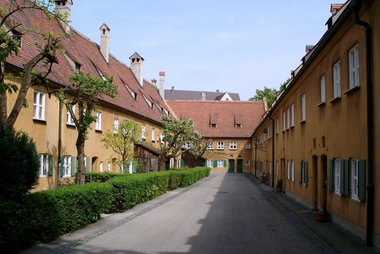
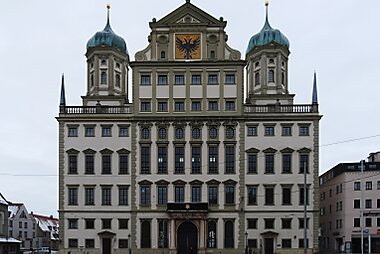
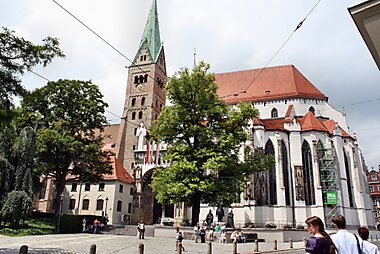
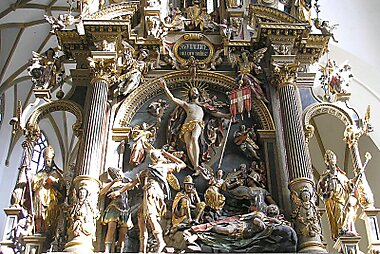
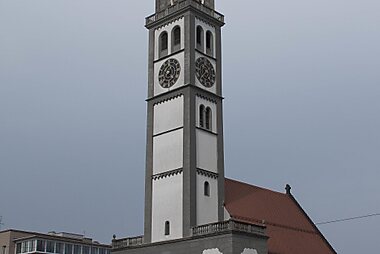
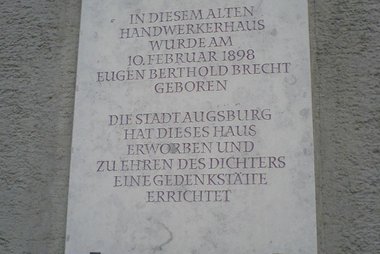
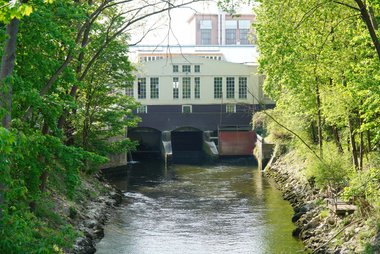
- Rathaus is a Renaissance building from 1620. Go inside to see the Golden Hall.
- Perlachturm stands next to the town hall. Climb it for views over the old town.
- Fuggerei is a walled housing complex for people in need. It has been in use for centuries. One apartment is a museum.
- Dom Mariä Heimsuchung is the city's cathedral, north of the main square.
- St. Ulrich und Afra has a Catholic church and a Lutheran church side by side. It is at the southern end of the old town.
- Augsburger Wassermanagement-System is the canal, tower and fountain network that became a UNESCO World Heritage Site in 2019.
- Brechthaus is the birthplace of the writer Bertolt Brecht, born in 1898.
- Maximilianstraße is the wide main street with fountains and merchant houses. It links the town hall area with the southern old town.
Polecane zestawienia


Czego warto doświadczyć
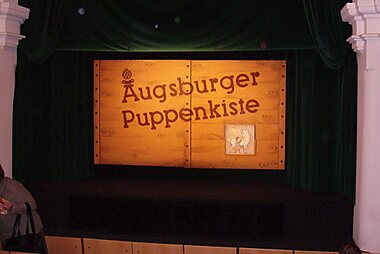
- Watch a marionette show at the Augsburger Puppenkiste. The theatre is known across Germany for its television puppet series.
- Visit the Christkindlesmarkt on the square in front of the town hall in Advent.
- See the Eiskanal, the artificial whitewater course that hosted the whitewater events at the 1972 Olympics.
Wycieczki i aktywności
Augsburg — Mapa

 Otwórz interaktywną mapę
Wycieczki jednodniowe
Augsburg has good rail links. These trips are listed from closest to farthest.
- Munich: 30 to 60 minutes by train. Bavaria's capital has big museums, the old town and beer halls.
- Ulm: about 1 hour by train. See the Gothic minster and the riverside old quarter.
- Nördlingen: about 1 to 1.5 hours by train. A medieval town with a complete town wall that you can walk.
- Nuremberg: about 1 to 1.5 hours by train. It has a castle and a large old town.
- Fussen: about 2 hours by train. It is the base for visits to the royal castles near the Alps.
Gdzie warto się udać
More places in Bavaria and nearby regions:
- Heading north: Ingolstadt and Regensburg.
- Towards the Alps: Garmisch-Partenkirchen, Allgau and Kempten.
- Lakes: Lake Starnberg and Lindau.
Jak dotrzeć
- By air: The main airport is Munich (MUC). Take a train to Munich main station, then a train to Augsburg. Allow about 1.5 to 2 hours in total.
- By train: Augsburg main station is on the main line between Munich and Stuttgart. Direct trains run to Munich, Ulm, Stuttgart and Nuremberg. Book at Deutsche Bahn.
Poruszanie się na miejscu
- Public transit: Trams and buses cover the city. Buy tickets in the meinAVV app or at ticket machines at stops. The Deutschlandticket is valid on the network. Plan journeys at AVV Augsburg.
- On foot or by bike: The old town is compact and flat. Most sights are within a 20-minute walk of the town hall.
Jedzenie i napoje
Swabian dishes are the local food. Try Käsespätzle (cheese noodles), Maultaschen (filled pasta) and Zwetschgendatschi, a plum cake from the region.
For a meal, go to the Lechviertel, the canal quarter with small restaurants. Maximilianstraße and the streets around the town hall also have many cafés and restaurants.
Bezpieczeństwo i zdrowie
Augsburg is a safe city for visitors. Violent crime against tourists is rare.
- Pickpockets work in crowds. Watch your bag at the main station, on trams and at the Christmas market.
- Keep valuables out of parked cars.
Historia
Romans founded the city in 15 BC as Augusta Vindelicorum. The Fugger family made it a banking centre in the 16th century. Their housing complex, Fuggerei, is still in use.
The Peace of Augsburg in 1555 allowed Lutheran and Catholic rulers in the Holy Roman Empire to practise their own faith. The Catholic and Lutheran churches next to each other at St. Ulrich und Afra show this shared past.
The Renaissance Rathaus dates from 1620. The city's canals and fountains are part of the UNESCO listing of 2019.
Informacje o kraju
Quick practical facts for Germany at a glance:
- Waluta
- euro EUR € · Płatności kartą · Zazwyczaj akceptowane
- Numery alarmowe
- 112 Pogotowie ratunkowe · Straż pożarna
- Elektryczność
- 230 V · 50 HzTyp C / Typ F
- Języki
- niemiecki
- Woda z kranu
- Zdatna do picia
- Ruch drogowy
- Prawostronny
- Numer kierunkowy
- +49


Augsburg – zaplanuj swoje dni
Zmień miejsca z tego przewodnika w prawdziwy plan podróży z inteligentnym wyznaczaniem tras, szacowanym czasem i wszystkim, czego potrzebujesz na udaną wycieczkę.


Powiązane cele podróży

Data: © OpenStreetMap contributors, Wikidata, Wikipedia, Tripomatic, Official websites. Tours by GetYourGuide. We earn commission from bookings. Travel guide generated with AI.
Zaplanuj wycieczkę z Tripomatic
- Planowanie z asystentem AIZyskaj gotowy plan dnia jednym stuknięciem, pozwól AI rozmieścić miejsca z listy życzeń w Twojej wycieczce lub zaplanuj wszystko na czacie.
- Ostrzeżenia podróżneOficjalne komunikaty, trudne warunki pogodowe, strajki i zagrożenia naturalne dla miejsc w każdym dniu wycieczki.
- Dni wolne od pracy i wydarzeniaSprawdzaj święta, festiwale i dni zamknięcia w trakcie wycieczki oraz ich wpływ na Twoje plany.
- Szacowanie kosztówZestawienia kosztów wycieczki oparte na sztucznej inteligencji, dzięki którym poznasz budżet przed wyjazdem.
- Wycieczki i biletyRezerwuj wycieczki z przewodnikiem, bilety wstępu bez kolejki i aktywności bezpośrednio w swoim planie.