


Otaru
Otaru is a small port town on the Sea of Japan coast of Hokkaido. It is about 35 minutes by train from Sapporo. In the early 1900s it was a major trade and banking centre. Stone warehouses and old bank buildings from that time still line the streets near the canal.
Today Otaru is known for glassware, music boxes and fresh seafood. It suits a relaxed day or one night: walk the canal, browse the shops on Sakaimachi street, eat sushi and see the harbour at dusk. It is especially pretty in winter, when snow and lanterns cover the town.

Otaru – planujesz wycieczkę?
Stwórz swój plan podróży dzień po dniu w aplikacji Tripomatic.


Kiedy jechać
Summer is mild and the best time for walking and canal cruises. Autumn is cooler and quieter. Winter is cold and snowy, and many visitors come for exactly that.
The event to plan around is the Otaru Snow Light Path. It runs for about a week in early to mid February. Many candles and snow lanterns light the canal and an old rail line, and entry is free. It overlaps with the Sapporo Snow Festival, so book hotels early.
Najlepszy czas na wizytę: czerwiec, lipiec
Główne zabytki
Otaru Canal is the symbol of Otaru. The canal was finished in 1923, and old stone warehouses now line its walkway. It is free to walk and about 10 minutes from Otaru Station. Gas lamps light it in the evening.
Bank of Japan Museum is one of several old bank and trading buildings around the canal. It shows how rich Otaru was in its trading years.
Otaru Music Box stands on Sakaimachi street, the main shopping street for glass, sweets and gifts. The museum has a very large music box collection.
Mount Tengu gives the best view of the town, harbour and Sea of Japan. The ropeway takes about 5 minutes. Prices and hours change by season, so check the Tenguyama Ropeway page.
Otaru Aquarium is north of the centre at Shukutsu. It has sea lion and dolphin shows, and a penguin walk in winter. Take a Chuo Bus from Otaru Station. Opening hours change by season, so check the aquarium website.
Polecane zestawienia

Czego warto doświadczyć
- Walk the Snow Light Path in February. The main route follows the canal. A second route follows the old Temiya rail line and is usually quieter. Both are free to walk.
- Join a canal sunset cruise in summer.
- Make your own music box at the Otaru Music Box. You pay a fee for the workshop.
- Watch the penguin walk at the Otaru Aquarium in winter.
Wycieczki i aktywności
Otaru — Mapa

 Otwórz interaktywną mapę
Wycieczki jednodniowe
Otaru is a good base for a few easy trips.
- Sapporo: about 35 minutes by JR rapid train. Hokkaido's largest city has food, shopping and nightlife.
- Yoichi: about 25 to 30 minutes by JR local train. The Nikka whisky distillery stands about 5 minutes' walk from the station. You can enter the museum and shop without a booking, and a short fee applies for whisky in the tasting bar. Guided tours need a reservation and are in Japanese only. The distillery is closed from 23 December to 7 January.
Gdzie warto się udać
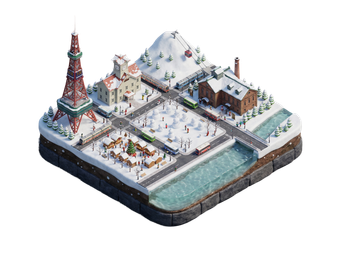
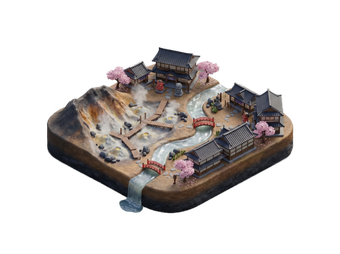
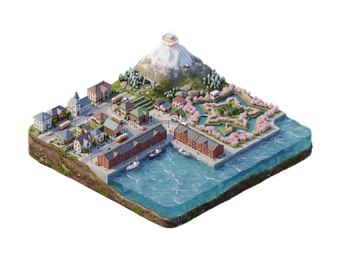
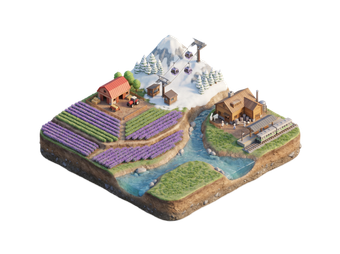
For a bigger city, go to Sapporo. Further south, Noboribetsu is known for hot springs and Hakodate for its harbour and night view. Inland, Furano and Biei have farmland and hills.
Jak dotrzeć
- By air: New Chitose Airport (CTS) is the main gateway. The JR Rapid Airport train runs from the airport to Otaru in about 75 minutes. Only some trains go straight to Otaru. Others end at Sapporo, so check the destination board before you board.
- By train: From Sapporo, the JR rapid train takes about 30 to 35 minutes. Trains run several times an hour. See the JR Hokkaido site for timetables and live service status.
- By bus: The Chuo Bus Kosoku Otaru-go runs from Sapporo Station in about 1 hour. The train is faster in most cases.
Poruszanie się na miejscu
- On foot: The canal, Sakaimachi street and the old bank buildings are all in the central area. You can walk between them. In winter, wear boots with good grip because pavements are icy.
- Public transit: Chuo Bus buses leave from the terminal at JR Otaru Station. They go to the aquarium and the Tenguyama ropeway. A bus set ticket is sold at the Chuo Bus Otaru Station Terminal.
Prowadzenie samochodu
- Is a car worth it? Not for Otaru itself. The centre is small and trains are quick. A car helps only for the coast and countryside around the town.
- Licence: Japan drives on the left. It accepts only an International Driving Permit under the 1949 Geneva Convention. A permit under the 1968 Vienna Convention is not valid.
- Licence translation: Drivers from Switzerland, Germany, France, Belgium, Monaco and Taiwan need an official Japanese translation of their licence from JAF. Carry it with the original licence.
- Winter: Snow and ice are common from about November to April. Ask your rental company for winter tyres, drive slowly and leave extra time.
Jedzenie i napoje
Otaru is known for fresh sushi. Sushiya-dori, or Sushi Street, has many sushi shops. Sankaku Market near the station is a good area for seafood bowls.
Sakaimachi street has sweet shops and cafes. Cheesecake and other sweets are popular gifts.
Bezpieczeństwo i zdrowie
Otaru is very safe for visitors. Petty crime is rare.
The main risk is winter weather. Pavements near the canal and on the hills can be icy, so walk slowly. Heavy snow can delay JR trains. Check the live service status on the JR Hokkaido site before long trips.
Historia
The name Otaru comes from the Ainu language. In 1880, Hokkaido's first railway opened between Otaru and Sapporo. In 1899 Otaru became an open port for trade, and banks and trading firms built large stone offices. The old bank buildings that you can see today, such as the Bank of Japan Museum, date from this time.
The canal was finished in 1923. Goods moved from ships to warehouses along it. After the 1950s, coal declined and Sapporo became the main business centre. Otaru then turned to tourism, and the warehouses along the Otaru Canal became cafes, shops and museums.
Informacje o kraju
Here are the essentials for travelling in Japan:
- Waluta
- jen japoński JPY ¥ · Płatności kartą · Zazwyczaj akceptowane
- Elektryczność
- 100 VTyp A / Typ B
- Języki
- japoński
- Woda z kranu
- Zdatna do picia
- Ruch drogowy
- Lewostronny
- Numer kierunkowy
- +81


Otaru – zaplanuj swoje dni
Zmień miejsca z tego przewodnika w prawdziwy plan podróży z inteligentnym wyznaczaniem tras, szacowanym czasem i wszystkim, czego potrzebujesz na udaną wycieczkę.


Powiązane cele podróży
Data: © OpenStreetMap contributors, Wikidata, Wikipedia, Tripomatic, Official websites, geoBoundaries (CC BY 4.0). Tours by GetYourGuide. We earn commission from bookings. Travel guide generated with AI.
Zaplanuj wycieczkę z Tripomatic
- Planowanie z asystentem AIZyskaj gotowy plan dnia jednym stuknięciem, pozwól AI rozmieścić miejsca z listy życzeń w Twojej wycieczce lub zaplanuj wszystko na czacie.
- Ostrzeżenia podróżneOficjalne komunikaty, trudne warunki pogodowe, strajki i zagrożenia naturalne dla miejsc w każdym dniu wycieczki.
- Dni wolne od pracy i wydarzeniaSprawdzaj święta, festiwale i dni zamknięcia w trakcie wycieczki oraz ich wpływ na Twoje plany.
- Szacowanie kosztówZestawienia kosztów wycieczki oparte na sztucznej inteligencji, dzięki którym poznasz budżet przed wyjazdem.
- Wycieczki i biletyRezerwuj wycieczki z przewodnikiem, bilety wstępu bez kolejki i aktywności bezpośrednio w swoim planie.