



Россия
Many Western governments advise against all travel to Russia. The UK, the USA and Australia all give this advice because of the war in Ukraine, drone and terrorist attacks, and a real risk of arbitrary detention of foreign citizens. Dual nationals are treated only as Russian citizens, and foreign embassies may not be able to help them. Consular help for everyone is very limited. If you still decide to go, read the current official advice from your own government first and keep checking it during the trip.
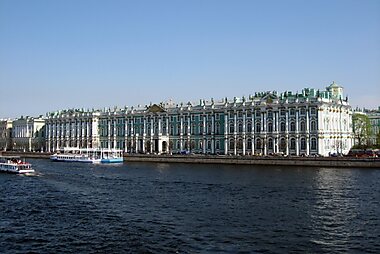
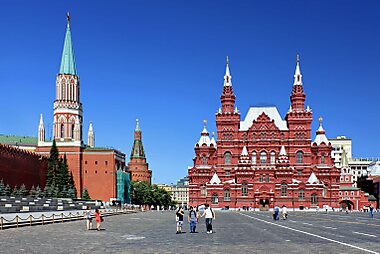
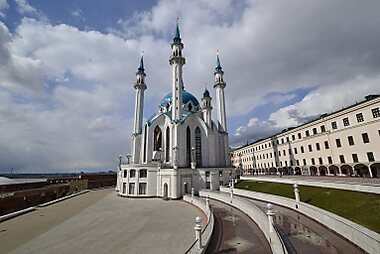
Russia is the largest country in the world, spanning 11 time zones from the Baltic Sea to the Pacific. Most visitors focus on the west: the grand palaces and museums of St Petersburg, the Kremlin and Red Square in Moscow, and the old monastery towns around them. Further east, Kazan mixes Russian and Tatar culture, and the Trans-Siberian Railway crosses the Urals and Siberia to Lake Baikal and Vladivostok. The country suits travellers who are well prepared, patient with bureaucracy and comfortable without the usual cards, apps and direct flights.

Россия — планируешь поездку?
Составь свой маршрут по дням в приложении Tripomatic.


Деньги и платежи
Bank cards issued outside Russia do not work. Visa and Mastercard cards from foreign banks are not accepted in shops or at ATMs, and you cannot withdraw roubles with them. Plan to bring all the money for your trip in cash, ideally clean, recent euro or US dollar notes, and exchange it at banks or official exchange offices. Some foreign-issued UnionPay cards work in a limited number of places, and locals pay with cards on the Russian Mir system, but neither is a reliable option for most visitors.
You must declare cash above the equivalent of USD 10,000 when you enter. Keep some small notes for markets, small cafés and rural buses. Prices in Moscow and St Petersburg are much higher than in the regions.
Популярные подборки

Russia's Crown Jewels
This collection spans Russia’s historical centers, from the 15th-century Moscow Kremlin to the Baroque palaces of St. Petersburg. It includes the Assumption Cathedral, where Tsars were crowned, the Palace of the Facets, and the world’s largest collection of Fabergé works. Beyond the capitals, the list features the fortified Solovetsky Monastery on the White Sea. These landmarks represent major architectural milestones, from the 16th-century Kutafya Tower to the monumental Russian State Library and the iconic equestrian sculptures of the Anichkov Bridge.
13 мест
Russia's Hidden Gems
Russia’s diverse landscape holds secrets ranging from the 16th-century Terem Palace and Kutafya Tower within the Moscow Kremlin to the remote Tunguska Event Epicentre in Siberia. Explore the ancient stone labyrinths of Bolshoi Zayatsky Island and the mysterious Por-Bazhyn ruins in Tuva. This collection also features the Batagaika Crater’s geological depression, the experimental Kostroma Moose Farm, and WWII's fortified Pavlov’s House in Volgograd, highlighting the country's complex history and varied natural phenomena.
15 мест


Russian Orthodox Treasures
This collection features architectural landmarks of Russian Christianity, ranging from the 15th-century Assumption Cathedral in the Moscow Kremlin to the fortified Solovetsky Monastery on the White Sea. A significant portion of the list highlights the historic center of Solikamsk in the Perm region, renowned for its 17th and 18th-century stone churches. These sites showcase diverse styles, including the elaborate brickwork of the Solikamsk Baroque and the towering modern structures like the Annunciation Cathedral in Voronezh.
20 мест


Spectacular Viewpoints
This collection features diverse vantage points across Russia, from the 1,920-meter deep Sulak Canyon in Dagestan to the volcanic horizons of Kamchatka. It includes the 12-meter Korbu waterfall on Lake Teletskoye, the abandoned medieval stone towers of Gamsutl and Kahib, and the rugged coastal cliffs of Sakhalin Island. These locations offer specific views of geological formations like the Olkha Plateau granite and the white-water rapids of the Karelian river systems.
20 мест

Экскурсии и активности
Россия — Карта

 Открыть интерактивную карту
 Чаевые
Tipping is common but not strict. In sit-down restaurants and cafés, leave about 10 % for good service; check first whether a service charge is already on the bill. With foreign cards not working, you will usually tip in cash. Round up taxi fares and leave small change at bars. Tour guides and drivers on day trips expect a tip.
около 10 % за хорошее обслуживание, наличными
округление в большую сторону
мелочь
небольшая сумма для носильщиков
в конце экскурсии
Электричество
Russia uses Type C and F sockets at 220 V / 50 Hz, the standard continental European plugs, so most European chargers work without an adapter.
Язык
Russian is the official language across the country. Several republics also have their own official languages, such as Tatar in Tatarstan, the region around Kazan. English is spoken by some younger people and hotel staff in Moscow and St Petersburg, but it is rare elsewhere, even in shops and train stations.
Russian uses the Cyrillic alphabet. Learning the letters before you go helps a lot with street signs, menus and station names. The Moscow and St Petersburg metros have signs in Latin letters too, but most regional signs do not. A translation app with offline languages is very useful, especially if the mobile internet stops working.
Связь и интернет
Staying connected in Russia is harder than in most countries.
- Mobile internet shutdowns: authorities often switch off mobile internet in many regions, including Moscow, sometimes for hours at a time. During a shutdown, usually only a short list of approved Russian services works. Download offline maps and translations, and keep printed or offline copies of hotel bookings and tickets.
- Blocked services: many foreign websites and apps are blocked or slowed down, including major social networks and messaging apps such as WhatsApp and Telegram. VPN services are restricted, and using them to reach banned content is illegal.
- Foreign SIM cards: new rules can block mobile data and SMS on a foreign SIM for a period after you arrive, and some foreign SIM and eSIM plans do not work in Russia at all. Check the current rules with your provider before you travel.
- Russian SIM cards: you need your passport and must pass biometric checks to buy one. Registration can take time, so buy it at an official operator store rather than at a kiosk.
- Monitoring: assume that phone calls, messages and internet use can be monitored.
Безопасность и экстренные службы
The UK, the USA, Australia and many other governments advise against all travel to Russia. This is based on the war against Ukraine, the risk of drone and terrorist attacks, and the risk of arrest. Read your government's current advice before deciding to travel. This guide covers Russia within its internationally recognised borders. Crimea and the other occupied areas of Ukraine are internationally recognised as part of Ukraine, and governments advise against all travel there.
- Detention: foreign citizens have been detained, questioned and charged on unclear grounds, sometimes for things they did or said outside Russia. Dual nationals are treated only as Russian citizens, may be refused consular access and can be called up for military service.
- Public statements: spreading information that the authorities call "fake" or "discrediting" the armed forces can lead to fines or prison terms of up to 15 years. This includes posts and reposts on social media. Avoid political discussions, protests and gatherings.
- Photography: photographing military sites, government buildings, security staff or airports is illegal. Do not film drones, anti-drone systems or the damage after an attack.
- LGBT-related laws: the "international LGBT movement" is classed as extremist. Public displays such as rainbow symbols, and sharing material seen as promoting "non-traditional relationships", can lead to fines, detention or deportation of foreign visitors. Same-sex couples should be very discreet in public.
- Drones and terrorism: drone attacks happen in many regions and often close airports at short notice, causing long flight delays. Terrorist attacks are likely; a 2024 attack on a Moscow concert hall killed 145 people. There is military activity in the regions near the Ukrainian border, such as Belgorod and Kursk, and terrorist attacks in the North Caucasus, especially Dagestan.
- Everyday crime: pickpocketing happens in crowded metro stations and tourist areas. Use official taxis booked through an app or your hotel.
Здоровье
Medical care in big cities can be good in private clinics, but standards vary and are basic in remote areas. Hospitals may ask for payment before treatment. Because foreign bank cards do not work, check before you travel that your insurance covers Russia and can pay providers directly. Carry enough cash for an emergency.
- Tap water: drink bottled or boiled water, especially in St Petersburg and older buildings. Bottled water is cheap and sold everywhere.
- Pharmacies: look for the sign Аптека (apteka). They are common in every town, and some in big cities are open 24 hours. Staff rarely speak English.
- Medicines: if your medicine contains narcotic or psychoactive substances, carry a prescription in your name, translated into Russian and notarised.
- Vaccinations: make sure routine vaccines are up to date. Hepatitis A is recommended. Consider tick-borne encephalitis vaccine if you plan to hike or camp in forests in western Russia, the Urals or Siberia between spring and autumn.
- Other risks: winters are very cold in most of the country, so pack proper warm clothes. Mount Elbrus and other high peaks in the Caucasus carry a risk of altitude sickness.
Визы и въезд
Most visitors need a visa, and there is no visa on arrival.
- E-visa: citizens of around 60 countries, including most EU countries, can apply online for a unified e-visa at least 4 days before travel through the Russian MFA e-visa portal. It is single-entry, allows a stay of up to 30 days and is valid for 120 days after it is issued. You must enter and leave through one of the checkpoints listed for e-visa holders. Citizens of the UK, the USA, Canada and Australia cannot use it and need a regular visa from a consulate or visa centre.
- Passport: it must be valid for at least 6 months after your visa ends. Medical insurance that covers Russia is required for a visa.
- Arrival: your fingerprints and photo are taken at the border. You sign a migration card; keep your half until you leave, as officials may ask for it.
- Registration: you must be registered with the migration authorities if you stay anywhere for more than 7 working days. Hotels do this automatically. In a private rental, the owner must register you. Keep the registration slips, as police may ask for them.
- Getting there: there are no direct flights from the EU, the UK or the USA. Most visitors fly via Istanbul, the Gulf or the Caucasus. All passenger crossings on the land border with Finland are closed, and crossings from the Baltic states and Poland are few and often restricted.
Visa and entry requirements change frequently. Verify current requirements with the official immigration authority or your country's embassy before travel.
Правила этикета
- Churches: in Orthodox churches, women usually cover their hair and wear a skirt below the knee, and men take off their hats. Many churches provide scarves at the door. Photography inside is often forbidden or needs a paid permit.
- Mosques: in Kazan and other Muslim regions, dress modestly and remove your shoes. Women cover their hair.
- Homes: take off your shoes when you enter someone's home. Bring a small gift, such as sweets or flowers. Give flowers in odd numbers, as even numbers are for funerals.
- Greetings: a firm handshake is normal between men. People can seem reserved with strangers but are often very warm once you are invited in.
- Drinking: at a shared meal, toasts are common, and it is polite to join at least the first one.
- Documents: carry your passport, migration card and registration slip at all times. Police can check documents in the street.
Праздники и часы работы
The New Year holidays in early January are the longest break of the year, and many offices and some museums close or keep short hours. Trains and flights are very busy around New Year and the May holidays.
In big cities, most shops, supermarkets and shopping centres are open every day, often from about 10:00 to 22:00, and some supermarkets stay open 24 hours. Many museums close one day a week, often Monday or Tuesday, so check before you go.
Транспорт
Distances are huge, so most trips combine trains and domestic flights.
- By train: Russian Railways runs a large network of fast day trains and comfortable sleeper trains. The Sapsan high-speed train links Moscow and Saint Petersburg in about 4 hours. Tickets show your name and passport number, so bring your passport to the station. With foreign cards not working, you may need to buy tickets with cash at a station ticket office.
- Trans-Siberian Railway: the classic route runs about 9,300 km from Moscow to Vladivostok. Without stops it takes about a week. Most travellers break the journey in Yekaterinburg, Novosibirsk and Irkutsk for Lake Baikal.
- By air: domestic flights save days on routes to Siberia, the Far East and Kaliningrad. Drone attacks often close airports for hours, so leave extra time for connections.
- In cities: Moscow, St Petersburg, Kazan and several other cities have a metro. Buy a transport card or pay with cash at the ticket office. Taxis are cheap and mostly booked through the Yandex Go app, which needs working mobile internet.
Вождение автомобиля
Driving is only practical for experienced drivers. Roads outside big cities vary a lot in quality, and distances are long.
- Licence: bring an International Driving Permit with your national licence. Rental companies may not accept foreign cards for payment or deposits.
- Key rules: the alcohol limit is very low, and even one drink can put you over it. You must carry a warning triangle, a first aid kit and a fire extinguisher. Winter tyres are required in the winter months.
- Tolls: most roads are free, but some modern motorways, such as the M-11 between Moscow and St Petersburg, are toll roads. You pay at toll booths or with a transponder.
- Traffic: Moscow and St Petersburg have heavy traffic jams. Street parking in the centre of both cities is paid, mostly through apps and parking meters.
- Fuel: petrol is sold as АИ-92 and АИ-95 (AI-92/AI-95), and diesel as ДТ (DT). Most stations are self-service, and you often pay at the counter before filling.
- Electric vehicles: charging points exist in and between the big cities but are rare elsewhere.
Еда и напитки
Breakfast is often porridge (kasha), eggs, syrniki (fried cottage-cheese pancakes) or pancakes (blini). Lunch is the main meal of the day for many people. On weekdays, many cafés offer a cheap set "business lunch" of soup, a main course and a drink. Dinner is lighter at home but can be long and social in a restaurant.
Soups are central: borscht with beetroot, cabbage shchi and sour, meaty solyanka. Try pelmeni dumplings, pirozhki (small baked or fried pies), beef stroganoff and salads such as olivier. In Kazan, look for Tatar pastries like echpochmak and the honey sweet chak-chak. On Lake Baikal, smoked omul fish is a local speciality. Georgian and Central Asian restaurants are popular all over the country.
Tea is the everyday drink, and kvass, a slightly sour fermented bread drink, is sold in summer. Vodka is drunk with food and toasts, and Russian beer and sparkling wine are cheap. For a quick, cheap meal, look for a stolovaya, a self-service canteen with homestyle food.
Куда ещё съездить
Moscow and St Petersburg
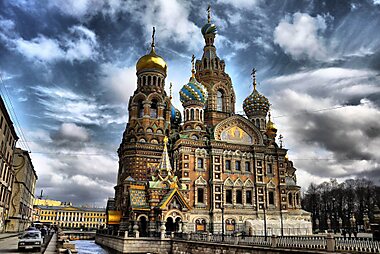
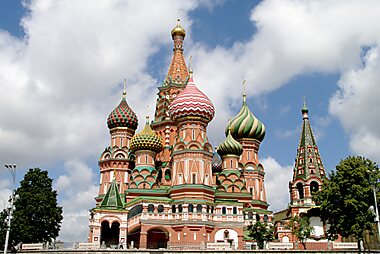
- Moscow: the capital, centred on the Moscow Kremlin and Red Square, with Saint Basil's Cathedral, the Tretyakov Gallery of Russian art and grand metro stations.
- Saint Petersburg: the former imperial capital on the Neva, with canals, the Hermitage Museum in the Winter Palace, and the palaces of Peterhof and Tsarskoye Selo nearby. The White Nights of June are the most popular time to visit.
Historic towns near Moscow and St Petersburg
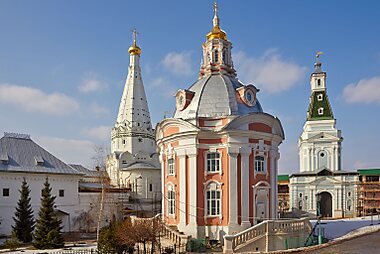
- The Golden Ring: a circuit of old towns north-east of Moscow with white-stone churches and monasteries. Highlights include Sergiyev Posad, home of the Trinity Lavra of St Sergius, as well as Vladimir, Suzdal and Yaroslavl.
- Veliky Novgorod: one of Russia's oldest cities, with the Novgorod Kremlin and early medieval churches.
- Pskov: a medieval fortress town with the Pskov Krom, close to the Pskov-Caves Monastery.
- Kizhi Island: an island in Lake Onega with famous 18th-century wooden churches, a UNESCO site reached by boat from Petrozavodsk in summer.
The Volga and the Urals
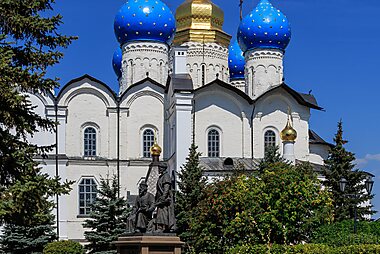
- Kazan: the capital of Tatarstan, where the Kazan Kremlin holds both the Kul Sharif Mosque and an Orthodox cathedral.
- Nizhny Novgorod: a large city where the Volga and Oka rivers meet, with a red-brick Kremlin above the water.
- Yekaterinburg: the main city of the Urals and a common first stop on the Trans-Siberian.
Siberia and the Far East
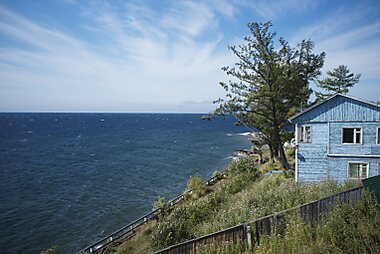
- Lake Baikal: the world's deepest lake, reached from Irkutsk. Olkhon Island is the lake's largest island, and Ulan-Ude on the eastern side is a centre of Buryat Buddhist culture.
- Vladivostok: the Pacific port at the end of the Trans-Siberian Railway.
- Kamchatka: a remote peninsula of volcanoes, geysers and bears, reached by air.
The far west and north
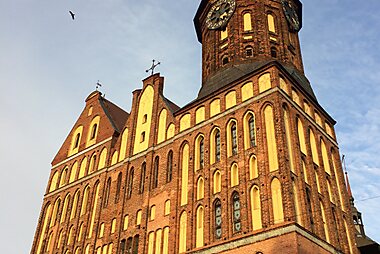
- Kaliningrad: the former Königsberg, a Russian exclave on the Baltic between Poland and Lithuania, known for the Königsberg Cathedral and the Curonian Spit.
- Murmansk: the largest city north of the Arctic Circle, visited in winter to see the northern lights.
Россия — спланируй свою поездку
Выбери места, которые хочешь увидеть, а Tripomatic превратит их в маршрут по дням с удобной навигацией, оценкой времени и всем необходимым для отличной поездки.




