


Irland
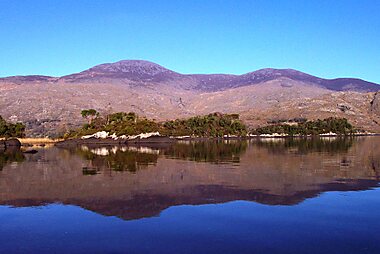
Ireland is a small island nation known for green countryside, a dramatic Atlantic coastline, and a strong literary and musical tradition. Its cities are compact and easy to explore on foot, led by the capital, Dublin, while the west coast's cliffs, islands, and small fishing villages reward travelers willing to rent a car and drive.
Ireland suits hikers, road-trippers, and travelers interested in history, literature, and live music in pubs. English is the main language of daily life. The weather is mild but rainy and changeable year-round, so pack for all four seasons regardless of the month.



Irland – Planst du eine Reise?
Erstelle deine Reiseroute Tag für Tag in der Tripomatic-App.


Geld & Bezahlen
Ireland uses the euro, as a member of the eurozone.
Contactless card and mobile payment are the norm almost everywhere, including taxis and small cafés. A little cash is still useful for rural pubs, market stalls, and parking meters in small towns. Dublin and other tourist areas are among the more expensive parts of Western Europe for food and lodging.
Empfohlene Listen


Touren & Aktivitäten
Irland — Karte

 Interaktive Karte öffnen
Trinkgeld
Tipping is genuinely expected in Ireland, unlike in some other European countries. Around 10-15% is standard in restaurants for good service, rising toward 15-20% in upscale dining. Many bills already include a service charge for larger groups, so check before adding more. Tipping is less common in pubs for a round of drinks at the bar, but rounding up is appreciated; taxi drivers are usually tipped by rounding up the fare.
10–15 %
nicht erwartet, Aufrunden ist jedoch in Ordnung
den Fahrpreis aufrunden
1–2 € pro Gepäckstück für Gepäckträger
Strom & Stecker
Ireland uses Type G plugs (the same three-pin type as the UK) at 230 V / 50 Hz.
Sprache
English is the main everyday language. Irish (Gaelic) is the first official language and is taught in schools, but it is the daily language of only a small share of the population, mostly in western coastal areas known as the Gaeltacht. Road signs are bilingual throughout the country.
Internet & Mobilfunk
Prepaid SIM and eSIM plans from Three, Vodafone, or eir are easy to buy at the airport or phone shops. Mobile coverage is reliable in cities and large towns, but can be patchy along the west coast and in mountainous areas — download offline maps before a rural road trip.
Sicherheit & Notfälle
Ireland is a generally safe country for tourists. The main risks are pickpocketing and phone theft in busy tourist areas of Dublin, especially around Temple Bar at night, and road accidents on narrow, unfamiliar rural roads. Take extra care driving on single-track roads in the west, where a wrong turn can put you head-to-head with oncoming traffic.
Gesundheit
Tap water is safe to drink throughout Ireland. Pharmacies are common in towns and cities, and larger ones keep extended hours; a rotating late-night pharmacy covers most areas outside normal hours. No special vaccinations are required for entry.
Visum & Einreise
Ireland is a member of the European Union but is not part of the Schengen Area — it keeps its own border and visa rules, shared with the UK under the Common Travel Area. Citizens of the EU/EEA, the United States, Canada, Australia, and many other countries can enter for tourism without a visa for up to 90 days. Travelers from countries without a visa-waiver agreement need an Irish visa, applied for in advance — a separate application from any Schengen visa, even if the trip also includes other EU countries.
Visa and entry requirements change frequently. Verify current requirements with the official immigration authority or your country's embassy before travel.
Knigge & Bräuche
Irish social culture is informal and conversational — small talk with shopkeepers, taxi drivers, and people in a queue is normal and expected. In pubs, it is customary to buy "rounds": if you are in a group, each person takes a turn buying drinks for everyone. Punctuality is more relaxed than in much of Northern Europe; arriving a few minutes late to an informal meetup is not considered rude.
Feiertage & Öffnungszeiten
Public holidays affect transport schedules and rural opening hours more than city ones. Saint Patrick's Day, on March 17, is a major national holiday with parades in most towns. Many rural shops and pubs still close early on Sundays.
Unterwegs vor Ort
- By train: Iarnród Éireann (Irish Rail) connects Dublin with the main cities, but coverage thins out toward the west and southwest coasts. Check timetables and book at Irish Rail.
- By bus: Bus Éireann and private coach operators cover many towns the rail network misses, including much of the Wild Atlantic Way route.
- By car: A car is the most practical way to reach rural sights, small villages, and the west coast at your own pace; rural roads are often narrow and winding.
- By air: Domestic flights exist between Dublin and a few regional airports, but are rarely necessary given the country's size.
Autofahren
- Driving side: Ireland drives on the left, like the UK — a real adjustment for visitors from continental Europe or North America.
- Speed limits: Signposted in km/h; typically 50 km/h in towns, 80-100 km/h on rural national roads, and 120 km/h on motorways.
- Rural roads: Many country roads are single-track with passing places; drive slowly and be ready to reverse to let oncoming traffic pass.
- Tolls: Several motorways (M1, M4, M6, M7, M8, M11) charge a toll at a barrier, payable by cash or card on the spot. The M50 around Dublin is barrier-free — there is no booth to pay at, so pay online, by phone, or at a Payzone shop by 8pm the day after you drive it.
- Parking: Paid parking is common in town centers, usually by ticket machine or an app; disc parking applies in some smaller towns.
- Fuel: Stations are self-service, with card payment standard at the pump.
- Electric vehicles: The ESB network covers motorways and most towns; rural coverage is thinner, so plan charging stops in advance on longer routes.
Essen & Trinken
A full Irish breakfast — eggs, sausage, bacon, black and white pudding, and toast — is a weekend staple and common on hotel breakfast menus. Irish stew (lamb or beef with potatoes and root vegetables) and soda bread are classic comfort dishes, alongside boxty (a potato pancake) and colcannon (mashed potato with cabbage or kale).
Seafood chowder is common along the coast, reflecting Ireland's fishing traditions. Guinness and other stouts are closely tied to pub culture, alongside a growing craft beer and whiskey-distilling scene. Pubs are as much a social gathering place as somewhere to eat or drink, often hosting live traditional music sessions in the evening.
Orte zum Entdecken
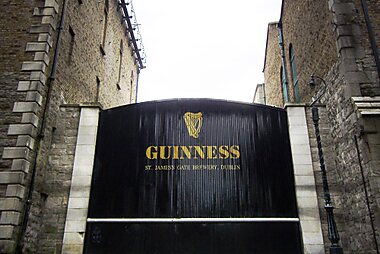
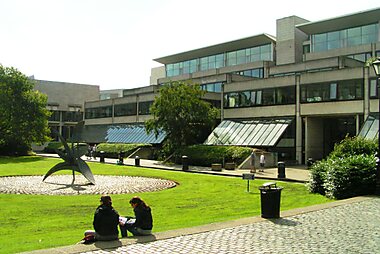
Dublin is the capital and largest city, with a compact center that includes Trinity College, the Guinness Storehouse, and a lively pub scene. Cork, the second city, is a good base for exploring the south coast, including Cork Harbour and the towns around it.
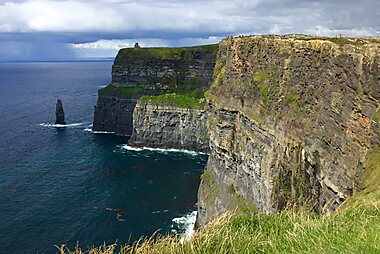
Galway, on the west coast, is known for its arts and music scene and is the main gateway to Connemara and the Aran Islands. Limerick sits on the River Shannon and is a common base for visiting the Cliffs of Moher and the Wild Atlantic Way.
Kilkenny is a small medieval city known for its castle and narrow historic streets, and Waterford, Ireland's oldest city, is known for its Viking-era history and crystal-making tradition.
Irland – Plane deine Reise
Wähle die Orte aus, die du sehen möchtest, und Tripomatic erstellt daraus eine Route Tag für Tag – mit intelligenter Wegführung, Zeitschätzungen und allem für die perfekte Reise.




