


Bandung
Bandung is the capital of West Java and a cool highland city, about 145 km southeast of Jakarta. It sits in a basin ringed by volcanoes, so evenings are fresher than in most Javanese cities. Dutch planners built it as a resort town in the early 1900s, and it still has a good set of colonial and Art Deco buildings.
Today Bandung is a student city with a strong food, coffee, fashion and design scene. Many Jakarta residents come for weekends to eat, shop and visit the volcanoes, tea plantations and gardens in the hills north and south of the city. It suits a trip of two to four nights, with the city on one or two days and the highlands on the rest. In 1955 the city hosted the Asian-African Conference, which is why its main street is named Jalan Asia Afrika.
Download this guide as a PDFPrintable tourist mapPublic holidays in Indonesia

Bandung – Planning a Trip?
Build your day-by-day itinerary in the Tripomatic app.


When to visit
The dry season from about June to September is the best time for the volcanoes, the tea plantations and walks outdoors. July and August are the driest months. The rainy season runs from about October to May, with the heaviest rain from November to March. Rain usually comes in the afternoon, so plan outdoor trips for the morning. Weekends and school holidays bring heavy traffic from Jakarta, so weekdays are easier.
Each April the city marks the anniversary of the 1955 Asian-African Conference, with events around Jalan Asia Afrika.
Top sights
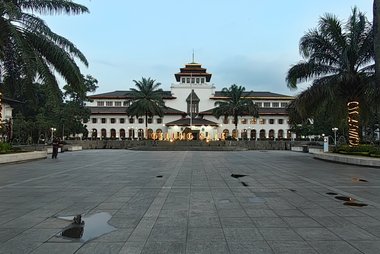
- Gedung Sate is the city's best-known building. It was finished in the 1920s and is named for the "satay" skewer shape on its roof. It now houses the West Java government, and its museum and the park opposite are open to visitors.
- Jalan Braga is the old colonial shopping street. Art Deco facades now hold cafés and galleries. Come in the late afternoon and stay for dinner.
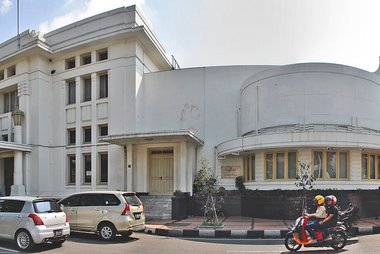
- Museum Konferensi Asia-Afrika is in the building where 29 Asian and African countries met in 1955. Its exhibits explain how the conference shaped the non-aligned movement. It is a short walk from Braga.
- Bandung Geological Museum is a good rainy-day stop near Gedung Sate. It has fossils, rocks and models that explain Java's volcanoes and earthquakes.
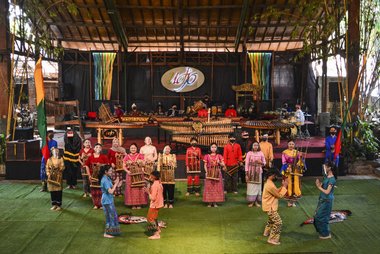
- Saung Angklung Udjo is the best place to see the angklung, a Sundanese bamboo instrument. Children play it in daily shows, and visitors can join a short workshop.
- Masjid Raya Al Jabbar is the large modern mosque complex in the east of the city, on a lake. Go late in the day, and dress modestly.
- Trans Studio Bandung is an indoor theme park in the east of the city. It is mainly a choice for families with children.
Featured Lists

What to experience
- Watch an angklung show: Saung Angklung Udjo holds daily performances where children play bamboo instruments. Visitors are given an instrument and play a song together at the end.
- Join Sunday Car Free Day: on Sunday mornings, part of the Dago road closes to traffic. Locals walk, jog, cycle and eat street snacks there.
- Ride the Bandros bus: the open-top tourist bus is a relaxed way to see the colonial center on a first morning.
- Shop at factory outlets: Bandung is known for clothes, jeans and shoes sold directly from the makers. Outlet streets such as Jalan Riau, Jalan Cihampelas and the shoe streets of Cibaduyut are popular on weekends.
- Walk through a tea estate: in the hills south of the city, you can walk between the tea bushes in the cool morning air.
Tours & Activities
Bandung — Map

 Open the interactive map
Day trips
The best day trips are in the hills north and south of the city. Roads are slow at weekends, so start early and allow for traffic.
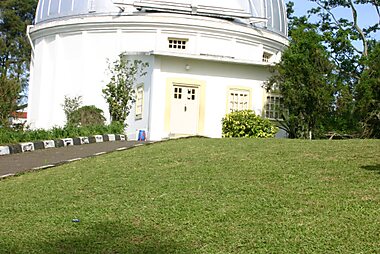
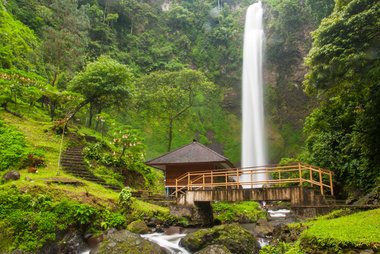
- Lembang, north of the city: this is the main highland area, with a cooler climate. Bosscha Observatory is a historic observatory. Dusun Bambu is a garden restaurant in the hills. Curug Cimahi Rainbow Waterfalls is a waterfall with a short walk.
- Tangkuban Perahu: an active volcano north of Lembang. You can walk along the rim of the main crater, Kawah Ratu, and smell the sulfur. Access can close when volcanic activity rises, so check before you go.
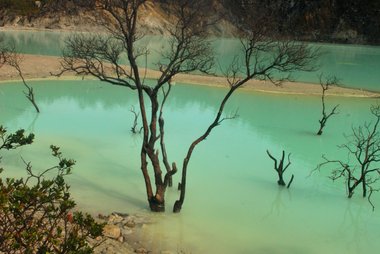
- Ciwidey and the tea plantations, south of the city: this is a full-day trip. Kawah Putih is a pale turquoise crater lake. The tea estates nearby have walking paths and views. Both are in Bandung Regency.
- Ir. H. Juanda Grand Forest Park: a forest park on the northern edge of the city, with short trails, caves from the Dutch and Japanese periods, and a waterfall.
Where to explore
- South of Bandung: Bandung Regency covers Ciwidey, Kawah Putih and the tea plantations.
- West: Jakarta is the usual arrival point for most international visitors.
- Cities on Java's north and west side: Bogor has the large botanical garden, and Cirebon is a coastal sultanate city to the east.
Getting there
- By air: Husein Sastranegara (BDO) is a small airport close to the center. It reopened to commercial jets in August 2026 with flights to Denpasar and other Indonesian cities, and routes are still being added. Kertajati (KJT) is a newer airport far to the east of the city and has little service. Most international visitors fly to Jakarta (CGK) and continue by land.
- By high-speed train: the Whoosh line links Halim station in Jakarta to Tegalluar on the east side of Bandung. It stops at Karawang and Padalarang. The ride takes well under an hour. Padalarang has a feeder train to Bandung station in the center. Tegalluar is far from the center, so plan a transfer by road.
- By regular train: the Parahyangan (before 2025 called Argo Parahyangan) runs between Gambir in Jakarta and Bandung station in about three hours. Book on the official KAI site or app. KAI (Indonesian Railways)
- By road: shared shuttle vans and buses run between Jakarta and Bandung on the Cipularang toll road. Travel time depends heavily on traffic, especially on Friday evenings and Sundays.
Getting around
- Public transport: Trans Metro Bandung buses cover the main roads. Shared minibuses called angkot run on fixed routes and are cheap, but they are slow and crowded. Commuter trains serve towns around Bandung, and are not useful for city sightseeing. The main long-distance station is Bandung station.
- Taxi and ride-hailing: motorbike and car rides booked by app are the easiest way to cross the city.
- Tour bus: the city's Bandros open-top bus runs sightseeing loops through the center.
- On foot: the center around Braga, Asia Afrika and Gedung Sate is walkable. Sidewalks are uneven, and crossing busy roads needs care. Distances between districts are long, so use a ride for the rest.
Driving
- Is a car worth it? In the city, no. Traffic is heavy and parking is limited. A car with a driver is a good choice for a day in the hills, where public transport is poor.
- Parking: most malls, hotels and attractions have paid parking. In the center, street parking is informal and charged by local attendants.
- Traffic: weekends and school holidays are the worst. Roads to Lembang and Ciwidey can be very slow on Saturdays and Sundays.
- Tolls: the toll roads to and from Jakarta need an electronic toll card. Rental companies usually provide one.
Food & drink
Bandung food is Sundanese, with many snacks. Look for batagor and siomay (fried or steamed fish dumplings with peanut sauce), mie kocok (beef noodle soup), surabi (rice pancakes) and cireng (fried tapioca). Fresh vegetables, fried chicken and sambal with rice are the standard lunch.
Good eating clusters in a few areas. Jalan Braga and the streets around it have cafés and restaurants. Lengkong Night Street Food is a night food street near the old center. The Dago area has many coffee shops and restaurants with views. Bandung also has a strong specialty coffee scene.
Safety & health
Bandung is generally safe for visitors. The main risks are petty theft, such as phone snatching from motorbikes, and overcharging at tourist sites. Keep your phone away from the road edge and use app-based rides at night.
Tap water is not safe to drink, so use bottled or filtered water. Traffic is the biggest daily danger, so cross roads carefully. Earthquakes happen in West Java and the hills around Bandung have active volcanoes. Follow local advice if a crater or trail is closed. Rain can cause landslides on hill roads in the wet season.
History
The Dutch founded Bandung as a highland town in the 1800s and built a rail link to Batavia, now Jakarta, in 1884. They planned it as a cool garden city, and it was nicknamed the "Paris of Java". Many Art Deco buildings from the 1920s and 1930s survive on Jalan Braga and around Jalan Asia Afrika. Gedung Sate is one of the best examples of that period.
In 1955 the city hosted the Asian-African Conference. Leaders from 29 countries met here, and the meeting is seen as an early step toward the non-aligned movement. You can learn more at Museum Konferensi Asia-Afrika. The city is also home to the Bandung Institute of Technology, founded in 1920, and the Bosscha Observatory in the hills to the north.
Country facts
Quick practical facts for Indonesia at a glance:
- Currency
- Indonesian Rupiah IDR Rp · Card payments · Commonly accepted
- Emergency numbers
- 112
- Electricity
- 230 V · 50 HzType C / Type F
- Languages
- Indonesian
- Tap water
- Not safe to drink
- Driving side
- Left
- Calling code
- +62

Bandung – Plan Your Days
Turn the places from this guide into a real itinerary, with smart routing, time estimates, and everything you need for a perfect trip.


Related destinations


Data: © OpenStreetMap contributors, Wikidata, Wikipedia, Tripomatic, Official websites, geoBoundaries (CC BY 4.0). Tours by GetYourGuide. We earn commission from bookings. Travel guide generated with AI.
Plan your trip with Tripomatic
- AI-Powered PlanningGet a ready-made day in one tap, let AI spread your shortlist across your trip, or plan everything by chatting.
- Travel AlertsOfficial advisories, severe weather, strikes, and natural hazards for the places on each day of your trip.
- Public Holidays & EventsSee holidays, festivals, and closures on the days of your trip, and what they mean for your plans.
- Cost EstimationAI-powered trip cost breakdowns so you know what to budget before you go.
- Tours & TicketsBook tours, skip-the-line tickets, and activities directly in your plan.