


Edmonton
Edmonton is the capital of Alberta. It sits on the North Saskatchewan River in the middle of the province. The city is large and spread out. Its river valley is one of the longest stretches of urban parkland in North America.
It suits a stay of two to three days. Visitors come for museums, festivals, a lively arts district and big green spaces. Edmonton is also the main starting point for trips north and for the road west to the Rocky Mountains.
Download this guide as a PDFPrintable tourist mapPublic holidays in Canada

Edmonton – Planning a Trip?
Build your day-by-day itinerary in the Tripomatic app.


When to visit
Summer is the best time. Days are long and warm, and the parks and patios are busy. Autumn is short and bright. Winters are long, cold and dry, and snow stays on the ground for months. Winter suits visitors who want skating, ice events and indoor sights.
Plan around the Edmonton International Fringe Festival in August. It is a large theatre festival with shows across the Old Strathcona district, and street performers and food stalls fill the area.
Best time to visit: August
Top sights
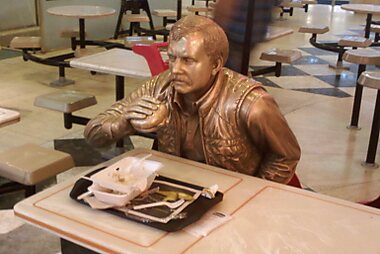


- West Edmonton Mall is one of the biggest malls in North America. It also has an indoor amusement park, a water park and an ice rink, so it works as a rainy-day or winter outing.
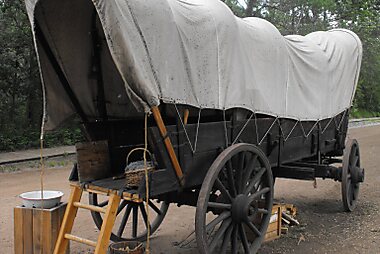
- Fort Edmonton Park is a large living-history park. Its streets show Edmonton in different periods, from the fur trade to the 1920s. It is open mainly in the warm months.
- William Hawrelak Park lies in the river valley and is a good place to walk, picnic and watch festivals. Paths link it to the wider valley trail network.
- Legislative Assembly of Alberta is the seat of the provincial government. The building and its grounds are open to visitors.
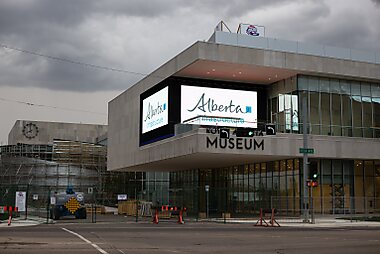
- Royal Alberta Museum is the largest museum in western Canada. It covers the natural and human history of Alberta.
- Old Strathcona District is the historic district around Whyte Avenue. Come for independent shops, theatres, cafés and a busy evening scene.
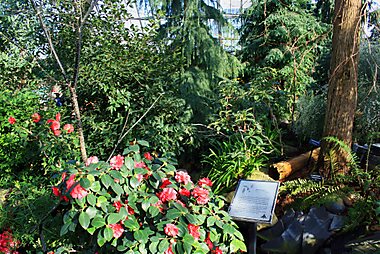
- Muttart Conservatory is a conservatory with four glass pyramids. Each one has a different climate, so it is a warm stop on a cold day.
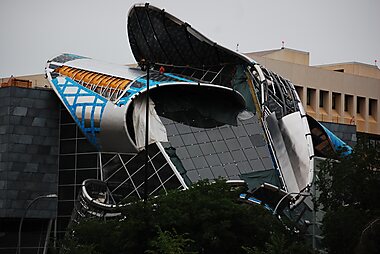
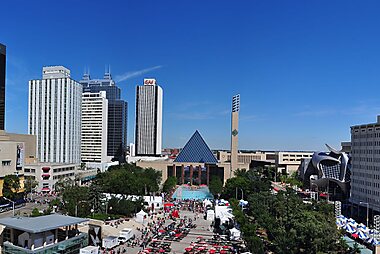
- Art Gallery of Alberta is a modern art gallery on Sir Winston Churchill Square, the city's main downtown square.
- Telus World of Science is a science centre with hands-on exhibits and an observatory. It suits families.
Featured Lists


Edmonton's Best Parks & Gardens
Edmonton’s park system is anchored by the North Saskatchewan River valley, the largest stretch of urban parkland in North America. This collection spans diverse landscapes, from the extensive multi-use trails and off-leash areas of Terwillegar Park to the 240-acre University of Alberta Botanic Garden, which features the authentic Kurimoto Japanese Garden. The list includes specialized botanical collections in St. Albert, winter recreation at Snow Valley, and commemorative spaces like Gault Memorial Park.
8 places

Theme & Water Parks
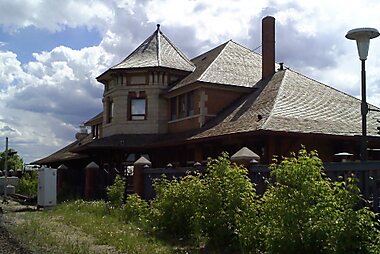
Edmonton’s selection of theme and water parks ranges from historical living museums to massive indoor entertainment complexes. Fort Edmonton Park features four distinct historical eras, while West Edmonton Mall houses both Galaxyland’s indoor roller coasters and the World Waterpark’s tropical-temperature wave pool. Outside the city, Jurassic Forest displays life-sized animatronic dinosaurs in a natural woodland setting, and the Alberta Central Railway Museum preserves regional transit history with vintage rolling stock and a 1932 station.
10 places

What to experience
- Walk or cycle the river valley. Paths run for many kilometres along the river. In winter, parts are used for skiing and snowshoeing.
- Go to a summer festival. The Fringe Festival and the Edmonton Folk Music Festival both take place in August.
- Skate outdoors in winter. Several city parks and squares open ice rinks when the weather is cold enough.
- Watch an Edmonton Oilers game. The NHL team plays at Rogers Place downtown from autumn to spring. Tickets often sell out.
- Look for the northern lights. On clear winter nights, aurora is sometimes visible from the edge of the city. Dark sites outside town give the best chance.
Tours & Activities
Edmonton — Map

 Open the interactive map
Day trips
All trips are one way from the city, in order from closest to farthest.
- Elk Island National Park: about 35 minutes by car. A park with bison, lakes and walking trails. In winter it is used for skiing and snowshoeing.
- Ukrainian Cultural Heritage Village: about 50 minutes by car, east of the city. An open-air museum of early Ukrainian settler life. It is open mainly in summer.
- Pigeon Lake: about 1 hour by car. A large lake with beaches and cottage towns, popular in summer.
Where to explore
- Elk Island National Park is a protected park east of the city, known for its bison.
- Calgary is Alberta's other big city, about 3 hours south.
- Jasper is a Rocky Mountains park about 4 hours west. It works better as an overnight trip.
- Banff National Park is the most famous Rockies park. It is a long drive of about 5 hours, usually reached through Calgary.
Getting there
- By air: Edmonton International Airport (YEG) is about 30 km south of the city. The 747 bus runs to Century Park Transit Centre in about 25 minutes. From there, take the LRT north to downtown. Taxis and ride-hailing are faster.
- By train: VIA Rail's long-distance train The Canadian stops in Edmonton on its route between Toronto and Vancouver. It does not run daily, so check the schedule. Book on VIA Rail.
- By bus: Red Arrow runs coaches between Edmonton and Calgary, and to other Alberta towns.
- By car: Calgary is about 3 hours south on Highway 2. Jasper is about 4 hours west.
Getting around
- Public transit: Edmonton Transit Service runs buses and the LRT. Tap a contactless bank card or phone on the Arc reader at stations and on buses. Arc cards and cash fares on buses also work. See Edmonton Transit Service.
- Taxi and ride-hailing: Both are widely available. They are useful for sights far from the LRT, such as Fort Edmonton Park and the mall.
- On foot and by bike: Downtown and Old Strathcona are walkable. Distances between districts are long. Trails in the river valley are good for cycling in summer.
Driving
- Is a car worth it? Not for a short stay in the centre. A car is useful for the mall, Fort Edmonton Park and trips out of town.
- Parking: Downtown has paid street parking and garages. Parking at the big malls and many attractions outside the centre is free.
- Winter: Snow and ice are common from November to March. Allow extra time and drive slowly.
Food & drink
Alberta beef is a local focus. Edmonton also has a strong Ukrainian heritage, so perogies and cabbage rolls are easy to find. Craft beer and coffee are popular.
Eat in Old Strathcona along Whyte Avenue, where restaurants and cafés line several blocks. Downtown and the streets near Sir Winston Churchill Square also have many options. The Old Strathcona Farmers Market runs on Saturdays. Tipping of 15 to 20 percent is normal in sit-down restaurants.
Safety & health
Edmonton is generally safe for visitors. Normal city care is enough. Some areas near the downtown core have street disorder, so stay on busy streets at night and keep valuables out of sight in parked cars.
Winter is the main risk. Temperatures can fall far below freezing. Wear layers, a hat, gloves and boots with good grip, and limit time outside in extreme cold. In summer, bring insect repellent for park walks. Smoke from wildfires can reduce air quality on some summer days.
History
The Edmonton area lies on Treaty 6 land. Cree, Blackfoot, Métis and other Indigenous peoples lived and traded along the North Saskatchewan River for centuries. A fur-trade post called Fort Edmonton was built here in the late 1700s.
The city grew after the railway arrived. Edmonton became the capital of Alberta in 1905. Oil was found nearby at Leduc in 1947, and the discovery shaped the city's growth in the following decades.
Country facts
Quick practical facts for Canada at a glance:
- Currency
- Canadian Dollar CAD $ · Card payments · Widely accepted
- Emergency numbers
- 911
- Electricity
- 120 V · 60 HzType A / Type B
- Languages
- English, French
- Tap water
- Safe to drink
- Driving side
- Right
- Calling code
- +1
Edmonton – Plan Your Trip
Pick the places you want to see and Tripomatic turns them into a day-by-day route, with smart routing, time estimates, and everything you need for a perfect trip.


Related destinations


Data: © OpenStreetMap contributors, Wikidata, Wikipedia, Tripomatic, Official websites, geoBoundaries (CC BY 4.0). Tours by GetYourGuide. We earn commission from bookings. Travel guide generated with AI.
Plan your trip with Tripomatic
- AI-Powered PlanningGet a ready-made day in one tap, let AI spread your shortlist across your trip, or plan everything by chatting.
- Travel AlertsOfficial advisories, severe weather, strikes, and natural hazards for the places on each day of your trip.
- Public Holidays & EventsSee holidays, festivals, and closures on the days of your trip, and what they mean for your plans.
- Cost EstimationAI-powered trip cost breakdowns so you know what to budget before you go.
- Tours & TicketsBook tours, skip-the-line tickets, and activities directly in your plan.