


Halifax County
Halifax is the largest city in Atlantic Canada and the capital of Nova Scotia. It sits on a hilly peninsula around a deep natural harbour. The compact downtown faces the water, with Dartmouth across the harbour.
It suits a stay of two to four days. Visitors come for the waterfront, the hilltop Citadel, good seafood and pubs, and easy trips to fishing villages and the Atlantic coast. The wider Halifax area also covers rocky shores, beaches and small coastal communities well outside the city.
Download this guide as a PDFPrintable tourist mapPublic holidays in Canada

Halifax County – Planning a Trip?
Build your day-by-day itinerary in the Tripomatic app.


When to visit
Summer and early autumn are the best times. July to September is warm, with the longest days and the warmest sea. Fog is common on the coast in early summer. Autumn is mild and often clear in September, then turns wet and grey.
Winters are cold and damp rather than deeply frozen. Snow, rain and wind alternate, and some seasonal sights and tours are closed. Spring comes late and is cool.
Best time to visit: July
Top sights






- Halifax Citadel is the star-shaped fort on the hill above downtown. It has harbour views and a living-history program. Opening hours and tours change by season, so check before you go.
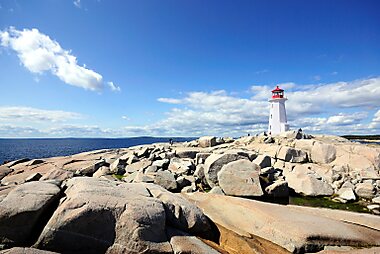
- Peggys Point Lighthouse is the famous lighthouse at Peggys Cove, on bare granite rock above the Atlantic. It is about 45 minutes from downtown by car.
- Pier 21 is the national immigration museum, in the old terminal where many newcomers arrived between 1928 and 1971.
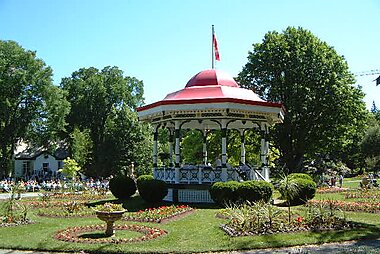
- Public Gardens are Victorian gardens with ponds, bandstand and flower beds. They are free to enter and close to downtown.
- Maritime Museum of the Atlantic sits on the waterfront. It covers seafaring history, the Halifax Explosion of 1917 and the Titanic.
- Point Pleasant Park is a wooded park at the southern tip of the peninsula. It has shady trails, sea views and old fortifications.
- Halifax Harbour Ferry crosses the harbour to Dartmouth. It is a cheap way to see the skyline from the water.
- Art Gallery of Nova Scotia shows Nova Scotia and Canadian art, including folk art.
Featured Lists

Halifax Unmissables
This selection spans the Halifax Regional Municipality, from the main international gateway at Stanfield to the rugged trails of the Musquodoboit Valley. It highlights the region's coastal geography at Crystal Crescent Beach and its industrial heritage at the Fairbanks Centre on the Shubenacadie Canal. Cultural sites like the Fisherman’s Life and Acadien House museums offer insight into local history, while regional eateries provide a taste of Nova Scotian seafood.
16 placesWhat to experience
- Take the harbour ferry to Dartmouth and back. It is short and gives a view of the city from the water.
- Hike the coastal trails on the Northwest Arm. Sir Sandford Fleming Park is close to the city.
- Visit a beach. Crystal Crescent Beach, southwest of the city, has long white sand. The water stays cold, even in summer.
- Drive the coast. Follow the road along St Margarets Bay to fishing villages and rocky coves.
Tours & Activities
Halifax County — Map

 Open the interactive map
Day trips
All trips are one way from downtown, in order from closest to farthest.
- Peggys Cove: about 45 minutes by car. A small fishing village around a lighthouse, with rocky shore. Come early or late to avoid tour buses.
- Lunenburg: about 1 hour 15 minutes by car. A colourful UNESCO World Heritage port town, with a working waterfront.
- Kejimkujik National Park and National Historic Site of Canada: about 2 hours by car. Forest, lakes and quiet paddling, plus an area on the Atlantic coast.
Where to explore
- Cape Breton Island is a scenic island with the Cabot Trail. It is a long drive northeast, about 4 to 5 hours.
- Sable Island Migratory Bird Sanctuary is a remote sandbar far out in the Atlantic, known for its wild horses. It is hard to reach and heavily restricted.
Getting there
- By air: Halifax Stanfield International Airport (YHZ) is about 35 km north of downtown, around 30 minutes by car. It has flights across Canada, to the US and and to Europe. Taxis and rental cars are the simplest way into the city.
- By train: VIA Rail's Ocean runs overnight from Montreal. It is slow and does not run daily, so check the schedule before planning around it.
- By road: Highway 102 links Halifax with the airport and Truro, and the rest of Canada by road through New Brunswick. Moncton is about 2.5 to 3 hours away.
- By bus: Intercity coaches link Halifax with other Nova Scotia towns and with New Brunswick.
- By sea: Cruise ships dock at the downtown waterfront in season.
Getting around
- Public transit: Halifax Transit runs buses and the harbour ferries between Halifax and Dartmouth. See Halifax Transit.
- Taxi and ride-hailing: Available in the urban area. Fares add up quickly for trips out to the coast.
- On foot: Downtown, the waterfront and the Public Gardens are all walkable. Streets climb steeply from the harbour to the Citadel.
- By bike: Cycling suits parts of the peninsula, but hills and traffic limit it. Out of town, distances are long.
Driving
- Is a car worth it? Not for downtown. A car is very useful for Peggys Cove, the Atlantic coast, beaches and Lunenburg. Many coastal sights have no practical transit.
- Parking: Paid garages and street parking are common downtown. Fees are higher near the waterfront.
- Winter: Snow and ice can make roads hard. Allow extra time and check forecasts.
Food & drink
Halifax is known for seafood: lobster, scallops, mussels and chowder. Look for a lobster roll in summer. The donair, a spiced beef wrap with a sweet sauce, is a local late-night favourite. Craft beer and live music in pubs are part of the city's character.
Eat along the waterfront, on Argyle Street and Barrington Street, and on Spring Garden Road. Tipping of 15 to 20 percent is normal in sit-down restaurants.
Safety & health
Halifax is a safe city for visitors. Normal city care is enough. Keep valuables out of sight in parked cars. Some downtown streets get rowdy late at night.
At Peggys Cove and other rocky shores, stay well back from the water. Waves can be large and sudden, and wet dark rocks are very slippery. People have been swept off the rocks.
Ticks that can carry Lyme disease are common in Nova Scotia. Wear long pants on trails and check yourself afterwards. Fog and rain are frequent, so bring a waterproof layer in any season.
History
The Mi'kmaw people have lived in this area for thousands of years. Britain founded Halifax in 1749 as a military base and naval port, and the Citadel hill was fortified to protect it.
In December 1917 two ships collided in the harbour and one, loaded with explosives, blew up. The Halifax Explosion killed about 2,000 people and flattened the north end. In the 20th century the port received waves of immigrants and sent convoys across the Atlantic in the Second World War.
Country facts
Quick practical facts for Canada at a glance:
- Currency
- Canadian Dollar CAD $ · Card payments · Widely accepted
- Emergency numbers
- 911
- Electricity
- 120 V · 60 HzType A / Type B
- Languages
- English, French
- Tap water
- Safe to drink
- Driving side
- Right
- Calling code
- +1
Halifax County – Plan Your Trip
Pick the places you want to see and Tripomatic turns them into a day-by-day route, with smart routing, time estimates, and everything you need for a perfect trip.


Related destinations
Data: © OpenStreetMap contributors, Wikidata, Wikipedia, Tripomatic, Official websites, geoBoundaries (CC BY 4.0). Tours by GetYourGuide. We earn commission from bookings. Travel guide generated with AI.
Plan your trip with Tripomatic
- AI-Powered PlanningGet a ready-made day in one tap, let AI spread your shortlist across your trip, or plan everything by chatting.
- Travel AlertsOfficial advisories, severe weather, strikes, and natural hazards for the places on each day of your trip.
- Public Holidays & EventsSee holidays, festivals, and closures on the days of your trip, and what they mean for your plans.
- Cost EstimationAI-powered trip cost breakdowns so you know what to budget before you go.
- Tours & TicketsBook tours, skip-the-line tickets, and activities directly in your plan.