


Jönköping Municipality
Jönköping sits at the southern tip of Vättern, Sweden's second-largest lake. The city centre lies on a narrow strip of land between the lake and the smaller lake Munksjön, so water is never far away. It is a compact, practical base for a few relaxed days: a lakeside beach in the centre, good small museums and easy trips along the shore.
The city grew rich on industry. It was the home of the Swedish safety match, and the arms and machine maker Husqvarna started in the twin town of Huskvarna, now joined to Jönköping. The painter John Bauer, famous for his troll and forest paintings, was born here. The wider municipality also takes in the candy town of Gränna and the island of Visingsö, which makes the trip suit families, cyclists and anyone who likes lakes and history.

Jönköping Municipality – Planning a Trip?
Build your day-by-day itinerary in the Tripomatic app.


When to visit
Summer, from June to August, is the best time to visit. Days are long and mild, the lake beaches open and the Visingsö ferry runs more often. Spring and early autumn are quieter and fine for walking, but many seasonal cafés and attractions keep shorter hours. Winters are cold and dark, with regular snow and frost.
The Elmia exhibition centre hosts large trade fairs through the year. During a big fair, hotels fill up and prices rise, so check the fair calendar before you book.
Top sights
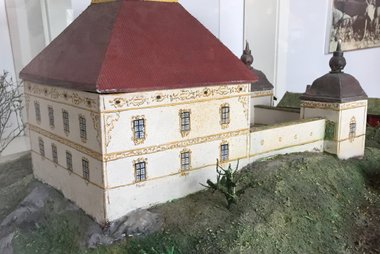


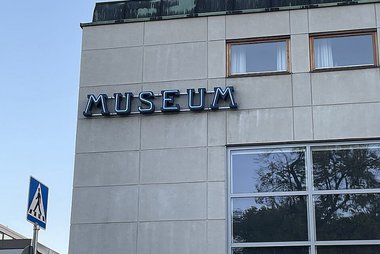
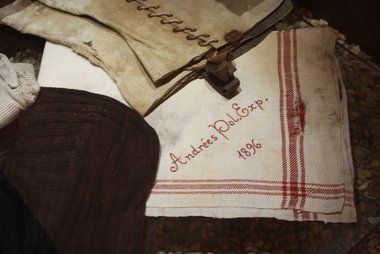
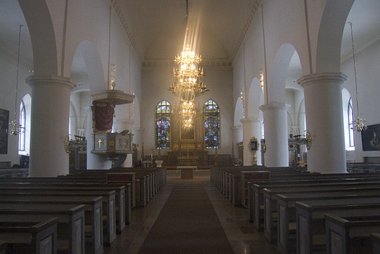
Most sights are in the compact centre by the lake, with a few worth the short trip east to Huskvarna or north along the shore.
- Tändsticksmuseet is in the city's first match factory, in the Tändsticksområdet quarter near the station. It tells the story of the Swedish safety match and the people who made it, with a large collection of colourful match boxes and labels.
- Jönköpings läns museum (Jönköping County Museum) has a large collection of John Bauer's fairy-tale paintings and sketches, plus 20th-century Swedish art and local history.
- Kristine kyrka is the city's 17th-century church, named after Queen Kristina. It was rebuilt after the great fire of 1790 and has a bright interior.
- Husqvarna Fabriksmuseum sits in part of the old Husqvarna arms factory in Huskvarna. It follows more than 300 years of production, from muskets to sewing machines, motorcycles and chainsaws.
- Brahehus is a 17th-century castle ruin high above the lake, just off the E4 north of Gränna. The view over Vättern and Visingsö is one of the best in the region.
- Stadsparken, the city park on the hill west of the centre, has wide views over the lake. It also holds a small open-air museum of old wooden buildings and a bird museum.
- Vätterstranden is the sandy lake beach along the shore in the city centre, within walking distance of the station.
Featured Lists

Jönköpings kommun Essentials
Jönköping’s identity is shaped by industrial innovation and aristocratic legacy. This selection features the world's only match museum in the original 1848 factory and the Husqvarna Museum, documenting 300 years of manufacturing from weapons to appliances. On Visingsö island, explore the 12th-century Näs Castle ruins and the astronomical tower of Kumlaby Church. The list also includes the clifftop Brahehus ruins and the Andréexpeditionen Polarcenter, which chronicles the ill-fated 1897 North Pole balloon flight.
9 places

Nature Viewpoints & Waterfalls
Explore the varied topography of the Jönköping region, characterized by its position at the southern tip of Lake Vättern and the surrounding Småland highlands. This collection features geological landmarks like the mineral-rich Taberg massif and the Iron Age hillfort site at Vista kulle. It also highlights the industrial heritage of the area's waterways, including the falls at Dunkehallaån and the historic wooden architecture preserved within the city’s elevated parks.
12 placesWhat to experience
A visit here is about the lake and the small towns along it.
- Watch polkagris being made in Gränna — in several candy shops you can watch the candy makers pull and twist the hot sugar into red-and-white sticks.
- Cycle Visingsö — take the ferry from Gränna with a bike, or ride the island's traditional horse-drawn carriages along quiet roads and through the oak forest.
- Swim in Vättern — on a warm summer day, join locals at Vätterstranden in the city centre. The lake is deep and clean but stays cold, even in July.
- Catch an ice hockey game — the local team HV71 plays its home games at Husqvarna Garden in winter. A home game is a lively local night out.
- Climb Taberg at sunset — the walk to the top gives a wide view over the forests south of the city.
Tours & Activities
Jönköping Municipality — Map

 Open the interactive map
Day trips
The best day trips follow the lake shore north or head into the forests of Småland.
- Taberg — about 13 km south, around 20 minutes by car. This lone iron-ore hill rises over 100 m above the surrounding land, with trails, viewpoints and a café on top.
- Gränna — about 40 km north, around 30 minutes by car or a little longer by regional bus. The small town is famous for its red-and-white polkagris peppermint candy. Grenna Museum covers the town's history and the Andrée balloon expedition to the North Pole.
- Visingsö — a 25-minute ferry ride from Gränna. The flat island is ideal by bike or horse-drawn carriage, with the ruins of Visingsborg castle, a medieval church and a large oak forest planted for the navy. Combine it with Gränna for a full day. Visingsö ferry information
- Eksjö — about 45 minutes east by car. It is one of Sweden's best-preserved wooden towns, with colourful old houses and courtyards.
- Vadstena — about 1 hour 10 minutes by car, on the east side of the lake. It has a Renaissance castle and a medieval abbey church.
Where to explore
Jönköping is the largest city in the Province of Småland, a region of forests, lakes and glassworks.
- In the lake: Visingsö, Vättern's largest island, a short ferry ride from Gränna.
- Further south and east in Småland: Växjö kommun, a lakeside university town, and Kalmar, with its castle on the Baltic coast.
Getting there
- By air: Jönköping Airport has no scheduled passenger flights, only charters. The most practical gateway is Göteborg Landvetter Airport, about 2 hours away by road. Stockholm Arlanda Airport also works, at about 4 hours by train with a change.
- By train: Trains arrive at Jönköping's central station (Resecentrum), next to the lake in the city centre. The city lies on a branch line between Nässjö and Falköping, so most trips from Stockholm or Gothenburg include one change at one of these stations. SJ (Swedish Railways)
- By bus: Express coaches link Jönköping with Stockholm, Gothenburg and other Swedish cities. They also stop at Resecentrum.
- By car: The E4 motorway between Stockholm and southern Sweden runs past the city along the lake.
Getting around
- Public transport: Jönköpings Länstrafik (JLT) runs the city and regional buses, including the lines to Huskvarna and Gränna. Buy your ticket in the JLT app before you board; you can pay in the app by bank card. Tickets are also sold at the Juneporten customer centre. Jönköpings Länstrafik (JLT)
- On foot: The centre is small and flat between the two lakes. The station, the town beach, the main museums and the old churches are all within about 20 minutes' walk.
- Cycling: Cycling is easy along the lakeside paths. Stadsparken and the Huskvarna hillside are steep, so expect some climbs.
Driving
- Is a car worth it? Not for the city itself, which is easy on foot and by bus. A car helps if you want to combine Brahehus, Gränna, Taberg and the countryside in one day.
- Parking: There are several car parks in the centre and along the lake. Pay at the machine or with a parking app; signs show which apps work in each car park.
- Visingsö: The ferry takes cars, but space is limited in summer and vehicles should be booked in advance. The island is easier to explore by bike.
Food & drink
Look out for polkagris, the peppermint candy sticks from Gränna, sold in many flavours in the town's shops. Småland is also known for ostkaka, a baked curd cheesecake served warm with jam and cream. Lake fish from Vättern, such as char, often appears on local menus in summer.
For eating out, head to the eastern part of the centre around Östra Storgatan, where many restaurants and bars are within a short walk. The old match-factory quarter, Tändsticksområdet, has cafés and restaurants in its converted brick buildings. In summer, the cafés by the harbour and Vätterstranden are good for a fika with a lake view.
Safety & health
Jönköping is a safe city for visitors. Normal care with bags and phones is enough, especially at the station and at busy events. Tap water is safe to drink.
Vättern needs respect. The water stays cold even in summer, and wind can raise high waves quickly. Swim at marked beaches, and check the weather before you go out in a small boat or kayak.
History
Jönköping received its town charter in 1284, one of the first in Sweden. Its position on the lake, on the roads between east and west Sweden, made it a trading town, but also a target in the wars with Denmark. Twice, in 1567 and in 1612, the townspeople set fire to their own town as Danish armies approached. Today's street plan dates from the rebuilding that started in 1614.
In the 17th century the town became a centre of law and arms. The Göta Court of Appeal, founded in 1634 and the second oldest in Sweden, has its seat here, and the arms factory that became Husqvarna was founded in 1689 at the waterfalls in Huskvarna. You can follow that story at Husqvarna Fabriksmuseum.
From 1845 Jönköping became famous for safety matches. The Lundström brothers improved the design and built a large match industry, which lasted until 1970. Their first factory now holds Tändsticksmuseet. North of the city, Count Per Brahe the Younger founded Gränna in 1652 and built Brahehus above the lake.
Country facts
Quick practical facts for Sweden at a glance:
- Currency
- Swedish Krona SEK kr · Card payments · Widely accepted
- Emergency numbers
- 112
- Electricity
- 230 V · 50 HzType C / Type F
- Languages
- Swedish
- Tap water
- Safe to drink
- Driving side
- Right
- Calling code
- +46


Jönköping Municipality – Plan Your Days
Turn the places from this guide into a real itinerary, with smart routing, time estimates, and everything you need for a perfect trip.


Related destinations

Data: © OpenStreetMap contributors, Wikidata, Wikipedia, Tripomatic, Official websites, geoBoundaries (CC BY 4.0). Tours by GetYourGuide. We earn commission from bookings. Travel guide generated with AI.