


La Rochelle
La Rochelle is a port city on France's Atlantic coast. Its old town is built around a medieval harbour that is still full of boats. Three stone towers guard the harbour entrance.
The city was a Protestant stronghold and a rich trading port. Today it is easy to walk, sunny in summer and known for fresh seafood. It suits a stay of two to four nights, and it is a good base for the islands of Ré, Aix and Oléron. Families, couples and cyclists will find a lot to do here.
Download this guide as a PDFPrintable tourist mapPublic holidays in France

La Rochelle – Planning a Trip?
Build your day-by-day itinerary in the Tripomatic app.


When to visit
June to September is the best time. Days are warm and sunny, and the sea is warm enough for swimming. July and August are the busiest months, so book rooms early. Spring and autumn are mild and quieter. Winter is grey, wet and windy, and some island businesses close.
The biggest event of the year is Les Francofolies, a large music festival held in July since 1985. Book accommodation well ahead if you want to attend.
Best time to visit: June, July, August, September
Top sights
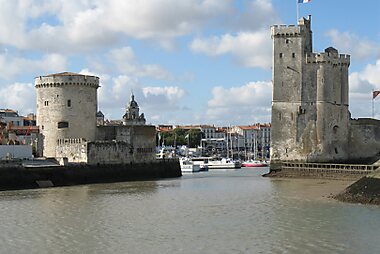
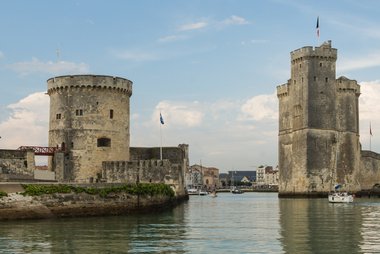
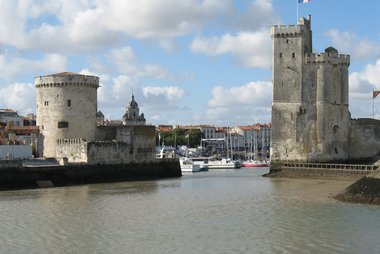
- Vieux Port is the heart of the city. Cafés and seafood restaurants line the quays, and the harbour is best in the evening.
- Tour Saint-Nicolas guards the harbour entrance from the south side. It is a 14th-century tower with a viewpoint on top.
- The Chain Tower stands opposite. A chain was once stretched from this tower across the harbour mouth to close it.
- Lantern Tower is the third harbour tower. It dates from the 15th century and once served as a lighthouse and a prison.
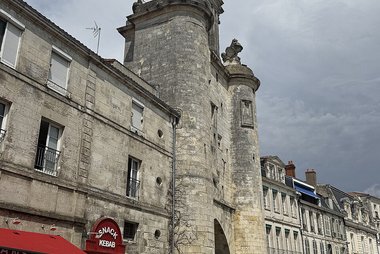
- Porte de la Grosse Horloge is a medieval city gate with a clock tower on top. It leads from the harbour into the old town's arcaded streets.
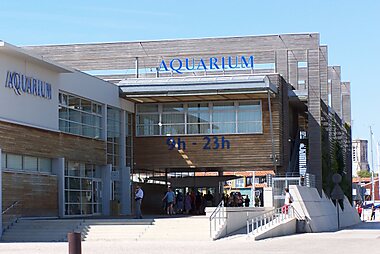
- Aquarium de La Rochelle is one of the largest aquariums in Europe. It is a good choice for families and for rainy days.
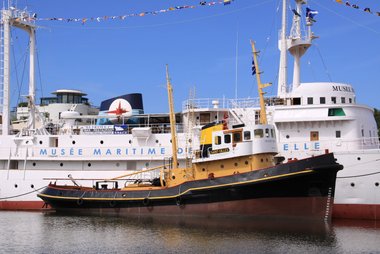
- Musée Maritime La Rochelle is a floating museum with heritage ships in the harbour. You can go on board some of them.
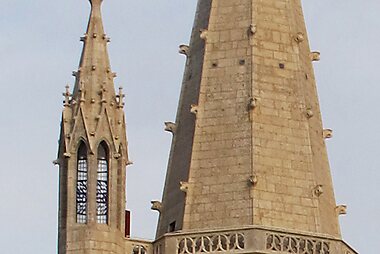
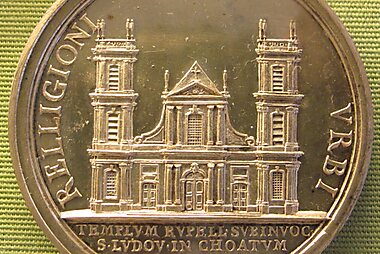
- Cathédrale Saint-Louis is an 18th-century cathedral in the old town. It is a short stop on a walk through the centre.
Featured Lists

La Rochelle Must-Sees
La Rochelle's maritime identity is defined by the three medieval towers guarding its Vieux Port: Saint Nicolas, the Chain, and the Lantern. The city's architectural landscape includes a 16th-century Renaissance Hôtel de Ville and the 18th-century Saint-Louis Cathedral. Cultural landmarks range from one of Europe’s largest private aquariums to the Natural History Museum, housed in a former governor's residence. The historic center is characterized by limestone facades and arcaded streets reflecting centuries of seafaring trade.
10 places


What to experience
- Ride the electric Bus de mer from the Vieux Port to Les Minimes. It is a cheap way to see the harbour from the water and reach the beach and marina.
- Take a boat trip from the harbour towards Fort Boyard and Île d'Aix in summer. You pass the three towers on the way out.
- Join the crowds at Les Francofolies in July. The streets and squares fill with concerts.
- Cycle along the seafront to the Les Minimes marina and beach. Swim there in summer.
Tours & Activities
La Rochelle — Map

 Open the interactive map
Day trips
Most day trips here are by sea or over the bridge to the islands. They are listed from closest to farthest.
- Île de Ré: about 30 minutes by car over a 2.9 km toll bridge. The flat island has cycle paths, beaches, salt marshes and the fortified harbour town of Saint-Martin-de-Ré. Bikes travel on the summer bus line 51.
- Île d'Aix and Fort Boyard: reached by boat from the Vieux Port. Île d'Aix has no cars, and Fort Boyard is the sea fort known from a TV game show. Boats are seasonal, so check timetables.
- Rochefort: about 30 minutes by train. It is a naval town with a former royal rope factory and a replica of the frigate Hermione.
- Île d'Oléron: about 1 hour by car. It is a larger island with beaches, oyster villages and pine forests.
- Marais Poitevin: about 1 hour by car. This "Green Venice" is a network of shaded canals. You explore it by flat-bottomed boat or bike.
- Saintes: about 1 hour by train. It has Roman ruins, including an arch and an amphitheatre.
- Bordeaux: about 2 hours by train. It is a long day trip, but suits wine and city lovers.
Where to explore
Other destinations near La Rochelle:
- For islands: Île de Ré is the closest, and Île d'Oléron is farther south.
- Heading south: Bordeaux is the big city of the region, and Arcachon is on the coast beyond it.
Getting there
- By air: La Rochelle–Île de Ré Airport has a limited number of direct flights from some European cities. Most travelers fly into Nantes Atlantique (137 km north) or Bordeaux–Mérignac (191 km southeast) and continue by train or car.
- By train: Direct TGV trains run from Paris Montparnasse in roughly 2.5 to 3 hours. Regional trains link La Rochelle with Bordeaux, Nantes and Poitiers. The station is about a 10-minute walk from the harbour. Book at SNCF Connect.
- By road: The city is on the Atlantic coast road network. See the driving section for parking.
Getting around
- On foot: The old town and the harbour are compact and mostly pedestrian. Walking is the best way to see the main sights.
- Public transit: The Yélo network runs buses and boats. Pay by bank card on board, in the app or with a Yélo card. A free electric shuttle serves the centre from Tuesday to Saturday. See Yélo for lines and fares.
- By boat: A small boat called Le Passeur crosses the harbour in about 3 minutes. The electric Bus de mer sails from the Vieux Port to the Les Minimes marina in about 20 minutes. Both use Yélo tickets.
- By bike: Cycling is easy on flat streets and seafront paths. Yélo has a self-service bike system.
Driving
- Is a car worth it?: Not for the city. The centre is compact and partly pedestrian. A car helps for the Marais Poitevin and for Oléron, but the islands of Ré and Aix are easy without one.
- Parking: Use car parks at the edge of the old town and walk in. Streets by the harbour are crowded in summer.
- Île de Ré bridge: A toll applies on the bridge. Queues are common on summer weekends.
Food & drink
The local food is seafood. Look for mussels, especially mouclade, a mussel dish in a creamy sauce. Oysters come from the nearby Marennes-Oléron area. Pineau des Charentes, a sweet local aperitif, is also worth a try. Cognac country begins just inland.
For a good meal, look at the market and the harbour area. The Marché Central is a covered market in the old town where you can buy fresh fish, cheese and local products. The quays of the Vieux Port have many seafood restaurants. Walk a street or two back from the water for quieter and cheaper tables.
Safety & health
La Rochelle is a safe city for visitors. Petty theft can happen in summer crowds, so watch your bag near the harbour and markets. Lock your bike, because bike theft is common in French cities.
Take care when you swim. Tides and currents can be strong on the open coast, so choose beaches with lifeguards in summer. Sun is strong from June to August, so use sun protection.
History
La Rochelle became a free port in 1137 and grew rich on sea trade. The three towers at the harbour entrance, Tour Saint-Nicolas, The Chain Tower and Lantern Tower, date from this medieval period.
In 1568 the Protestant Huguenots made the city a Reformed republic. In 1627 and 1628 Cardinal Richelieu blockaded La Rochelle for 14 months. The city surrendered and lost its privileges. This siege is part of the background of The Three Musketeers.
In the 17th and 18th centuries, trade with the Americas made the city rich again. This trade included the slave trade, which the Musée du Nouveau Monde explains. In the Second World War the Germans built a submarine base at La Pallice. La Rochelle was one of the last French cities to be liberated, in May 1945.
Country facts
Quick practical facts for France at a glance:
- Currency
- Euro EUR € · Card payments · Widely accepted
- Emergency numbers
- 112
- Electricity
- 230 V · 50 HzType C / Type E
- Languages
- French
- Tap water
- Safe to drink
- Driving side
- Right
- Calling code
- +33


La Rochelle – Plan Your Days
Turn the places from this guide into a real itinerary, with smart routing, time estimates, and everything you need for a perfect trip.


Related destinations

Data: © OpenStreetMap contributors, Wikidata, Wikipedia, Tripomatic, Official websites. Tours by GetYourGuide. We earn commission from bookings. Travel guide generated with AI.
Plan your trip with Tripomatic
- AI-Powered PlanningGet a ready-made day in one tap, let AI spread your shortlist across your trip, or plan everything by chatting.
- Travel AlertsOfficial advisories, severe weather, strikes, and natural hazards for the places on each day of your trip.
- Public Holidays & EventsSee holidays, festivals, and closures on the days of your trip, and what they mean for your plans.
- Cost EstimationAI-powered trip cost breakdowns so you know what to budget before you go.
- Tours & TicketsBook tours, skip-the-line tickets, and activities directly in your plan.