


Lübeck
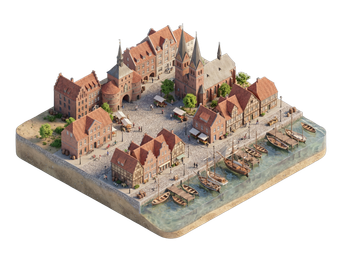
Lübeck is a Hanseatic city on the Trave river, close to the Baltic coast. Its old town sits on an island and is a UNESCO World Heritage site. Red-brick churches, gates and merchant houses fill the narrow streets. The city is compact, so a trip of two or three nights suits it well.
Lübeck suits travellers who like history, architecture and museums. It also works as a base for a beach day at Travemünde. Three famous people are linked to the city: the writer Thomas Mann, the writer Günter Grass and the former chancellor Willy Brandt. The city is also known for its marzipan.
Download this guide as a PDFPrintable tourist mapPublic holidays in Germany

Lübeck – Planning a Trip?
Build your day-by-day itinerary in the Tripomatic app.


When to visit
Late spring to early summer and late summer are the most pleasant seasons. Days are long and mild.
Winter is cold and grey. The Advent period is the exception, because the Christmas markets in the old town draw many visitors. Book rooms early for December weekends.
Best time to visit: June, August
Top sights
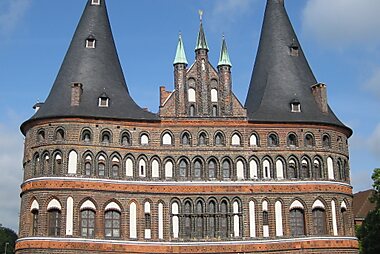

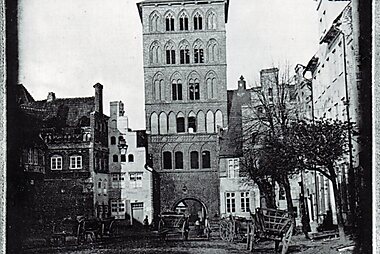

- Holstentor is the city's symbol. This red-brick gate with two round towers marks the western edge of the old town.
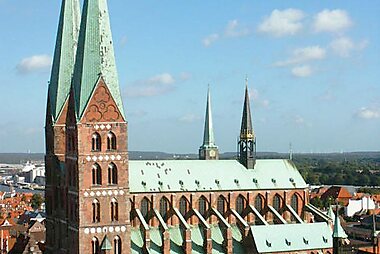
- St.-Marien-Kirche is a large Brick Gothic church. Its style became a model for many churches around the Baltic.
- Rathaus stands on the market square.
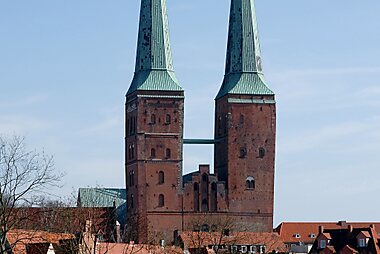
- Lübeck Cathedral is the cathedral at the southern end of the old town. Inside, look for the large medieval triumphal cross.
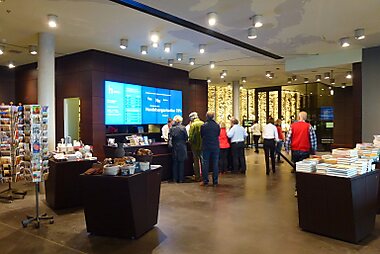
- Europäisches Hansemuseum tells the story of the Hanseatic League. It shows why Lübeck was rich and powerful.
- Heiligen-Geist-Hospital was paid for by wealthy merchants in the 13th century as a home for the old and sick. It is now a museum.
- Behnhaus Drägerhaus is an art museum in two historic merchant houses.
- Burgtor is a gate on the northern edge of the old town. It is a quiet spot away from the crowds at the Holstentor.
Featured Lists

What to experience
- Christmas markets: In Advent, stalls fill the old town.
- Boat tour: Harbour and canal tours show the old town from the water.
- Church tower view: Climb the tower of St. Petri for a view over the old town.
- Beach day in Travemünde: In summer, take the regional train to the Baltic beach. Walk the promenade and watch the ferries.
Tours & Activities
Lübeck — Map

 Open the interactive map
Day trips
These trips start from Lübeck and return the same day. They are listed from closest to farthest.
- Travemünde: Lübeck's seaside district on the Baltic, about 30 to 60 minutes away by regional train or bus. Come for the beach, the promenade and the old lighthouse.
- Ratzeburg: a small town on an island in a lake, about 30 to 60 minutes away by regional train or bus. It suits a quiet walk by the water.
- Hamburg is a big port city, about 1 hour away by train. It has many museums and a lively harbour.
- Wismar is another Hanseatic town with a Brick Gothic centre. Allow about 1 to 1.5 hours each way by train or bus.
- Schwerin is a lake city with a large castle. Allow about 1.5 hours each way by train.
Where to explore
Other destinations in Schleswig-Holstein:
- Kiel is the state capital on the Baltic coast, known for sailing and its fjord.
- Flensburg is a harbour town near the Danish border.
- Sankt Peter-Ording is a North Sea resort with a very wide beach.
- Heligoland is a small red-rock island in the North Sea.
Getting there
- By air: Hamburg Airport (HAM) is the main gateway. From there, take the S-train to Hamburg central station and then a regional train to Lübeck. Allow about 1.5 to 2 hours in total.
- By train: Lübeck central station has direct regional trains from Hamburg, about 1 hour away. Book long-distance tickets on Deutsche Bahn.
- By bus: Long-distance coaches link Lübeck with Hamburg and other northern cities.
Getting around
- On foot: The old town is small and mostly flat. The central station is a short walk from the Holstentor. Most sights are within 15 minutes of each other.
- Public transport: City buses connect the station, the old town and outer districts. Regional trains and buses go to Travemünde.
- Cycling: The terrain is flat. Cobblestones in the old town make cycling slow.
Food & drink
Marzipan is the local speciality. Many shops and cafés in the old town sell it as chocolates, loaves and cakes. Niederegger, near the town hall, is a well-known marzipan shop.
Fish dishes from the Baltic are common on local menus. For a meal, look along the Trave riverside and in the streets around the market square.
Safety & health
Lübeck is a safe city for visitors. Violent crime against tourists is rare.
- Pickpockets can work in crowds. Watch your bag at the Christmas markets and around the station.
- Do not leave bags or bikes unattended, especially bikes.
History
Lübeck was founded in the 12th century and grew rich on trade across the Baltic. It became the leading city of the Hanseatic League, and people called it the "Queen of the Hanse". The merchants built the red-brick churches, gates and houses that you see today. Holstentor and St.-Marien-Kirche date from this period of wealth.
In 1942, an air raid damaged large parts of the old town. After the war, the city repaired much of it. The old town became a UNESCO World Heritage site in 1987. The Europäisches Hansemuseum now explains this long history.
Country facts
Quick practical facts for Germany at a glance:
- Currency
- Euro EUR € · Card payments · Commonly accepted
- Emergency numbers
- 112 Ambulance · Fire brigade
- Electricity
- 230 V · 50 HzType C / Type F
- Languages
- German
- Tap water
- Safe to drink
- Driving side
- Right
- Calling code
- +49

Lübeck – Plan Your Days
Turn the places from this guide into a real itinerary, with smart routing, time estimates, and everything you need for a perfect trip.


Related destinations

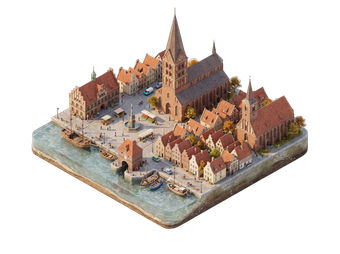
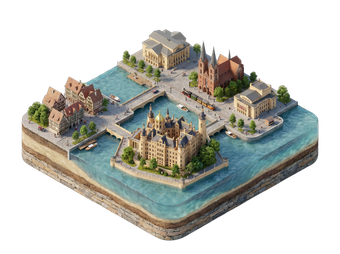

Data: © OpenStreetMap contributors, Wikidata, Wikipedia, Tripomatic, Official websites, geoBoundaries (CC BY 4.0). Tours by GetYourGuide. We earn commission from bookings. Travel guide generated with AI.
Plan your trip with Tripomatic
- AI-Powered PlanningGet a ready-made day in one tap, let AI spread your shortlist across your trip, or plan everything by chatting.
- Travel AlertsOfficial advisories, severe weather, strikes, and natural hazards for the places on each day of your trip.
- Public Holidays & EventsSee holidays, festivals, and closures on the days of your trip, and what they mean for your plans.
- Cost EstimationAI-powered trip cost breakdowns so you know what to budget before you go.
- Tours & TicketsBook tours, skip-the-line tickets, and activities directly in your plan.