


Lublin
Lublin is the largest city in eastern Poland. It has a well-preserved Old Town on a hill, a castle and a long history as a meeting place of cultures. The city is known for its university life, its cafés and its festivals.
It suits a two-day city break. Visit the Old Town, the underground route and the Jewish heritage sites, and use the city as a base for Kazimierz Dolny and Zamość.

Lublin – Planning a Trip?
Build your day-by-day itinerary in the Tripomatic app.


When to visit
Late spring to early autumn is the best time. The Old Town is lively in summer, with festivals and outdoor events. The biggest is the Carnival of Jugglers in July, a street-theatre festival that fills squares with performers.
Best time to visit: June, August, September
Top sights
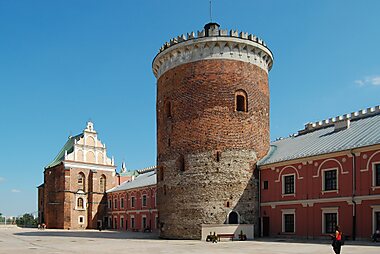
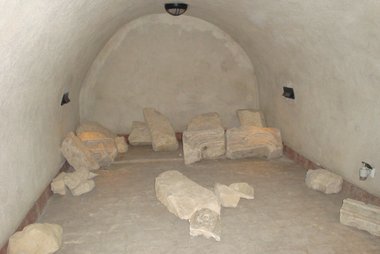
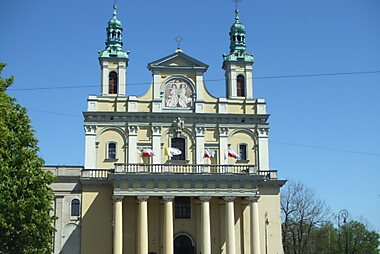
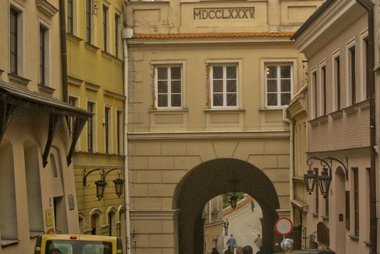

- Brama Grodzka is a gate between the Old Town and the former Jewish quarter. It also houses a cultural centre that tells the story of Jewish Lublin.
- Wieża Trynitarska is a tower with a view over the Old Town roofs.
- Archikatedra Świętego Jana Chrzciciela i Świętego Jana Ewangelisty is a large baroque cathedral with a richly painted interior.
- Lubelska Trasa Podziemna is a tour of old cellars beneath the Old Town. It shows the city's merchant history.
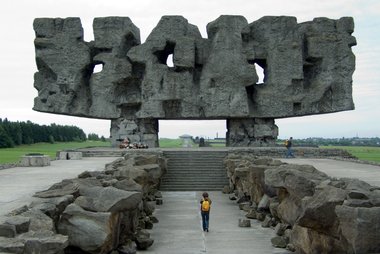
- Mausoleum Majdanek is the monument at the Majdanek State Museum, the site of a Nazi German concentration and extermination camp on the edge of the city. Plan time and a quiet mind for this visit.
Lublin Castle, on a hill above the Old Town, holds a museum and a small chapel with well-known medieval paintings.
Featured Lists


Lublin's Sacred Sites
Lublin’s religious landscape features a diverse collection of architectural styles, from the 14th-century Gothic foundations of the Dominican Basilica to the rare Russo-Byzantine frescoes within the Chapel of the Holy Trinity. The city's history as a cultural crossroads is reflected in its mix of Roman Catholic churches, the Orthodox Cathedral of the Transfiguration, and historic monastic complexes. Notable sites include the medieval St. Nicholas Church on Czwartek Hill and the 15th-century votive Church of St. Mary the Victorious.
12 places
Lublin's Historic Treasures
Lublin's architectural heritage spans from medieval fortifications to Baroque residences. This collection features the 12th-century Lublin Castle, the iconic 14th-century Cracow Gate, and the Neo-Gothic Trinitarian Tower, the city's highest viewpoint. Explore the archaeological remains of the 13th-century parish church at Po Farze Square and numerous aristocratic palaces, including the Lubomirski and Czartoryski estates. These landmarks preserve centuries of history, from the 1569 Union of Lublin to the city's development as a major administrative and religious center.
14 placesWhat to experience
- Walk the Old Town in the evening, when the lanes and cafés fill with students.
- Join the Carnival of Jugglers in July, with performances across the squares.
- Try cebularz, a local onion flatbread, from a bakery.
Tours & Activities
Lublin — Map

Day trips
- Nałęczów: about 40 minutes by bus. A small spa town with a park and a classic spa atmosphere. See Nałęczów.
- Kazimierz Dolny: about 1.5 hours by bus. A charming town on the Vistula, popular with artists. See Kazimierz Dolny.
- Zamość: about 2 hours by bus or train. A planned Renaissance town and UNESCO site. See Zamosc.
Getting there
- By air: Lublin Airport (LUZ) is about 10 km from the centre and has limited flights. Most visitors also use Warsaw Chopin Airport (WAW).
- By train: Lublin Główny is a short bus ride from the Old Town. Trains reach Warsaw in about 2 to 2.5 hours. Book on PKP Intercity.
- By bus: Coaches run to Warsaw, Kraków, Rzeszów and nearby towns.
Getting around
- Public transit: Buses and trolleybuses cover the city. Tickets are sold in mobile apps and from machines.
- On foot: The Old Town is compact and walkable but has cobbles and slopes.
Food & drink
Cebularz, a flat bread topped with onion and poppy seeds, is the local speciality. Try it fresh from a bakery. The Old Town streets and the area around Krakowskie Przedmieście have many cafés and restaurants.
Safety & health
Lublin is safe for visitors. Take normal care with valuables in crowded places.
History
Lublin was an important trading town in medieval Poland. In 1569 the Union of Lublin joined Poland and Lithuania into one state. The city also had a large Jewish community that shaped its culture until the Second World War. Brama Grodzka is a good place to learn about it.
Country facts
Quick practical facts for Poland at a glance:
- Currency
- Polish Zloty PLN zł · Card payments · Widely accepted
- Emergency numbers
- 112
- Electricity
- 230 V · 50 HzType C / Type E
- Languages
- Polish
- Tap water
- Safe to drink
- Driving side
- Right
- Calling code
- +48


Lublin – Plan Your Days
Turn the places from this guide into a real itinerary, with smart routing, time estimates, and everything you need for a perfect trip.


Related destinations


Data: © OpenStreetMap contributors, Wikidata, Wikipedia, Tripomatic, Official websites. Tours by GetYourGuide. We earn commission from bookings. Travel guide generated with AI.
Plan your trip with Tripomatic
- AI-Powered PlanningGet a ready-made day in one tap, let AI spread your shortlist across your trip, or plan everything by chatting.
- Travel AlertsOfficial advisories, severe weather, strikes, and natural hazards for the places on each day of your trip.
- Public Holidays & EventsSee holidays, festivals, and closures on the days of your trip, and what they mean for your plans.
- Cost EstimationAI-powered trip cost breakdowns so you know what to budget before you go.
- Tours & TicketsBook tours, skip-the-line tickets, and activities directly in your plan.