


Mainz
Mainz is the capital of Rhineland-Palatinate. It lies on the Rhine, across from the mouth of the Main river. The city has Roman roots, a medieval cathedral and a lively old town of small streets and squares.
Mainz is the city of Johannes Gutenberg, who developed printing with movable type here in the 15th century. It is also known for wine and for one of Germany's biggest carnivals. Mainz suits a weekend of sights, museums and wine taverns. It is also an easy base for the Rhine valley and Frankfurt.
Download this guide as a PDFPrintable tourist mapPublic holidays in Germany

Mainz – Planning a Trip?
Build your day-by-day itinerary in the Tripomatic app.


When to visit
Late spring and early autumn are the most pleasant seasons. Summer is warm, and evenings by the Rhine are popular. Winter is grey and damp, but the Christmas markets and carnival season keep the old town busy.
The biggest annual event is the Mainz carnival, called Fastnacht. The season starts in November. The peak is the Rosenmontag parade, held between February and early March. Expect large crowds, costumes and full hotels.
Best time to visit: June, August, September
Top sights
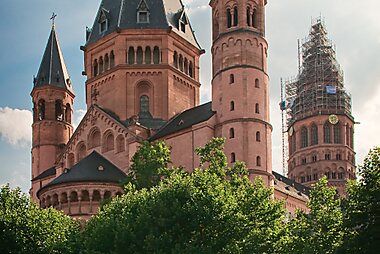
- Hoher Dom St. Martin zu Mainz is the city's landmark. This Romanesque sandstone cathedral dominates the old town.
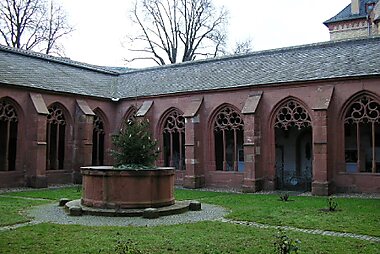
- St. Stephan is a Gothic church on a hill above the old town. Marc Chagall made its blue stained-glass windows in the 1970s and 1980s.
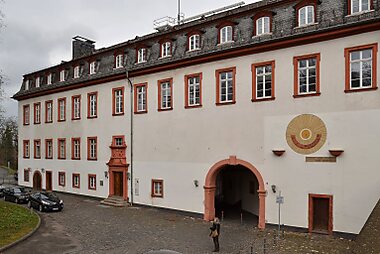
- Druckladen des Gutenberg Museums is the museum's print shop, near the cathedral. It shows how Gutenberg printed.
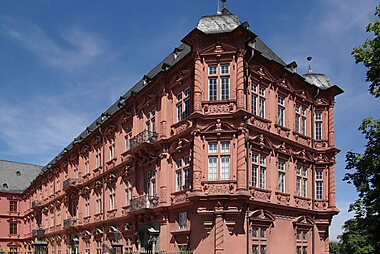
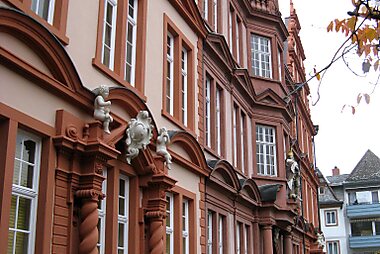
- Kurfürstliches Schloss was the residence of the prince-archbishops. It stands by the Rhine promenade.
- Zitadelle is a 17th-century fortress on a hill south of the old town.
- Landesmuseum shows regional art and history.
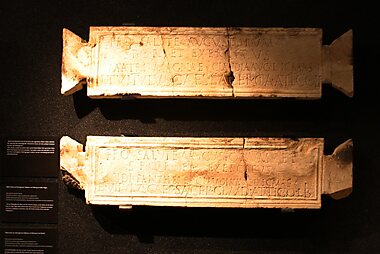
- Isis- und Mater Magna-Heiligtum holds the remains of a Roman sanctuary, found beneath the modern city.
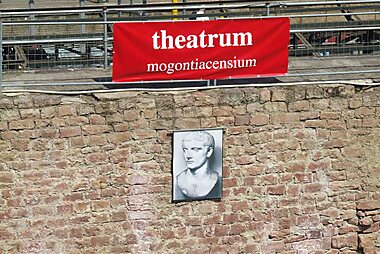
- Ausgrabungsstätte Römisches Theater is an excavated Roman theatre. It shows that Mainz was an important Roman town.
Featured Lists


Castles & Heritage
Explore Mainz’s rich heritage through its iconic castles, palaces, and historic buildings, including the Electoral Palace and Schönborner Hof, alongside notable heritage sites and memorials that reflect the city’s cultural and architectural legacy.
8 places

What to experience
- Join the carnival season. Parades, costume parties and stage shows fill the city from November to the Rosenmontag peak.
- Come for the Johannisnacht in summer. This street festival honours Gutenberg.
- Visit the Mainzer Weinmarkt in late summer.
- Walk or cycle along the Rhine promenade in the evening.
Tours & Activities
Mainz — Map

 Open the interactive map
Day trips
Mainz has fast rail links to several cities and to the Rhine valley.
- Wiesbaden: about 15 minutes by train. It is a spa city with grand 19th-century architecture.
- Frankfurt: about 30 minutes by S-Bahn. It has museums, a rebuilt old centre and a skyline.
- Worms: 30 to 60 minutes by train. It has a Romanesque cathedral and an important medieval Jewish heritage.
- Rüdesheim am Rhein and Bingen: 30 to 60 minutes by train. They are the gateway to the Upper Middle Rhine Valley, a UNESCO World Heritage landscape of castles and vineyards.
- Speyer: 1 to 1.5 hours by train. Its Romanesque cathedral is a UNESCO World Heritage Site.
Where to explore
Farther along the Rhine and in the Palatinate:
- Koblenz lies where the Rhine meets the Moselle.
- Sankt Goar is a small town in the Rhine Gorge.
- Cochem is a Moselle wine town with a castle.
- Landau in der Pfalz is a quiet town in the Palatinate wine country.
Getting there
- By air: Frankfurt Airport is the gateway, about 30 minutes from Mainz by S-Bahn. Mainz has no commercial airport of its own.
- By train: Mainz main station has direct trains to Frankfurt, Koblenz and Worms. Book at Deutsche Bahn.
Getting around
- Public transit: Trams and buses run in Mainz, and the main station is the central interchange. Mainz is part of the regional RMV network, so the same tickets cover the S-Bahn to Wiesbaden and Frankfurt. Buy tickets in the RMVgo app or at ticket machines. See RMV for the network.
- On foot: The old town is compact and mostly pedestrian. Most sights are within a short walk of the cathedral.
- Cycling: Terrain is flat. The Rhine Cycle Route runs through the region.
Food & drink
Mainz sits in the Rheinhessen wine region. Look for local white wines such as Riesling and Silvaner. Wine taverns serve them with simple regional food. Try Spundekäs, a soft cheese spread eaten with pretzels. Many places also sell Weck, Worscht und Woi: a bread roll, sausage and a glass of wine.
The market square by the cathedral has stalls and nearby cafés. The old town streets around Augustinerstraße are full of wine taverns and pubs.
Safety & health
Mainz is a safe city for visitors. Petty theft such as pickpocketing can happen at the main station and in crowds. Keep your bag closed and in front of you at the carnival and at festivals.
History
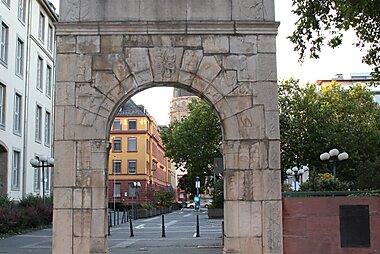
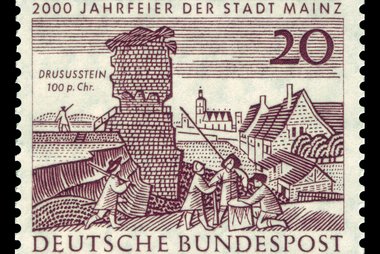
Mainz began as the Roman military camp Mogontiacum, founded in the late 1st century BC. Roman remains still lie under the city. See Isis- und Mater Magna-Heiligtum and Ausgrabungsstätte Römisches Theater. The Roman monument Drususstein stands near the citadel.
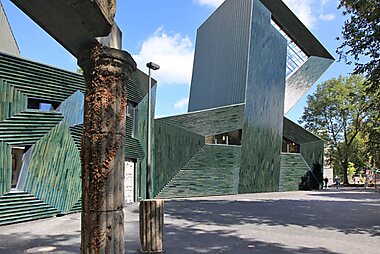
In the Middle Ages, Mainz was the seat of powerful archbishops. Archbishop Willigis started the cathedral Hoher Dom St. Martin zu Mainz around 975. Together with Speyer and Worms, Mainz was also a major centre of medieval Jewish learning. The three cities share a UNESCO listing. Neue Synagoge Mainz is the city's modern synagogue.
In the 15th century, Gutenberg introduced printing with movable type here. Druckladen des Gutenberg Museums keeps that story alive.
Country facts
Quick practical facts for Germany at a glance:
- Currency
- Euro EUR € · Card payments · Commonly accepted
- Emergency numbers
- 112 Ambulance · Fire brigade
- Electricity
- 230 V · 50 HzType C / Type F
- Languages
- German
- Tap water
- Safe to drink
- Driving side
- Right
- Calling code
- +49


Mainz – Plan Your Days
Turn the places from this guide into a real itinerary, with smart routing, time estimates, and everything you need for a perfect trip.


Related destinations


Data: © OpenStreetMap contributors, Wikidata, Wikipedia, Tripomatic, Official websites, geoBoundaries (CC BY 4.0). Tours by GetYourGuide. We earn commission from bookings. Travel guide generated with AI.
Plan your trip with Tripomatic
- AI-Powered PlanningGet a ready-made day in one tap, let AI spread your shortlist across your trip, or plan everything by chatting.
- Travel AlertsOfficial advisories, severe weather, strikes, and natural hazards for the places on each day of your trip.
- Public Holidays & EventsSee holidays, festivals, and closures on the days of your trip, and what they mean for your plans.
- Cost EstimationAI-powered trip cost breakdowns so you know what to budget before you go.
- Tours & TicketsBook tours, skip-the-line tickets, and activities directly in your plan.