



Malaysia
Malaysia is a multiethnic country in Southeast Asia, split between Peninsular Malaysia and the states of Sabah and Sarawak on the island of Borneo, a short flight away across the South China Sea. The population is a mix of Malay, Chinese, Indian, and indigenous communities, which shows up everywhere in the food, festivals, and architecture.
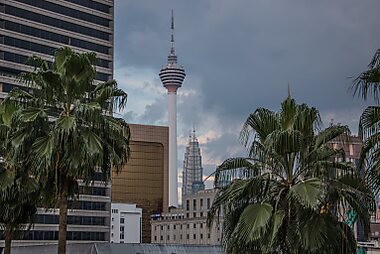
Most first-time visitors focus on Kuala Lumpur, the capital, and add on a beach or island stay and perhaps the cool hill country. The peninsula mixes colonial-era heritage cities, tropical islands, and mountain tea plantations within a few hours of each other. Sabah and Sarawak, on Borneo, offer rainforest, wildlife, and mountains, and reward travelers with more time. Malaysia works well both as a short city-and-beach trip and as a longer, more adventurous one.



Malaysia – Planning a Trip?
Build your day-by-day itinerary in the Tripomatic app.


Money & payments
Cards are accepted in most cities, but cash is still useful for hawker stalls, markets, and smaller towns. ATMs are widely available in cities and at airports.
Featured Lists


Hidden Gems of Malaysia
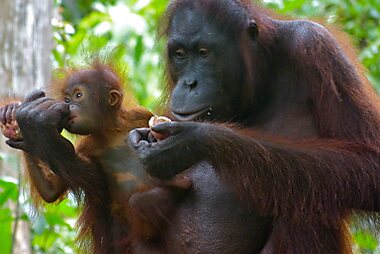
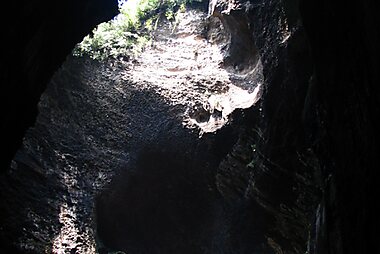
Beyond the urban centers, Malaysia’s landscape features the 400-million-year-old limestone chambers of Tempurung Cave and the wildlife corridors of the Sepilok Orang Utan Sanctuary. This collection highlights architectural landmarks like the glass-clad Masjid Kristal and the unfinished colonial ruins of Kellie's Castle. Cultural heritage is preserved in the living museums of Sarawak and Mari Mari villages, while the natural world is represented by the world’s largest flower at Gunung Gading National Park and the multi-tiered waterfalls of Kanching Recreational Forest.
20 places


Tours & Activities
Malaysia — Map

 Open the interactive map
 Tipping
Tipping is not a strong local custom. Many restaurants already add a 10% service charge plus tax to the bill, in which case an extra tip is not expected. Where no service charge is added, rounding up or leaving small change is appreciated but optional.
not expected if 10% service charge already added; otherwise round up or leave small change
round up
small tip for porters/housekeeping is appreciated but not required
Electricity
Malaysia uses the UK-style three-pin Type G socket at 240 V / 50 Hz - travelers from the US or continental Europe will need an adapter.
Language
Bahasa Malaysia is the official language, but English is widely spoken, especially in cities and tourist areas, a legacy of British colonial rule. Mandarin, Cantonese, Hokkien, and Tamil are also common given the country's Chinese and Indian communities. Malay uses the Latin alphabet, so signage is easy to read even without knowing the language.
Staying connected
Prepaid tourist SIM cards and eSIMs are sold at the airport and in convenience stores; registering one requires showing a passport, as it does for local SIMs too. Coverage is strong across the peninsula and in and around the main Bornean cities, though it thins out in remote rainforest areas.
Safety & emergencies
Malaysia is generally safe for travelers. The most common issues are petty theft, bag-snatching from motorbikes, and tourist-targeted scams in busy areas of Kuala Lumpur and Penang - keep bags zipped and away from the curb. A single number covers all emergency services.
Health
Tap water is treated but not usually drunk straight from the tap even by locals; stick to bottled or filtered water. Pharmacies are common in cities and malls. As in much of tropical Southeast Asia, mosquito-borne dengue fever occurs year-round, so use repellent, especially at dawn and dusk.
Visas & entry
Many nationalities, including most of the EU, the UK, the US, Australia, and most ASEAN countries, can enter visa-free for a stay of 30 to 90 days depending on nationality. Travelers from other countries can usually apply for an eVisa online before departure.
Visa and entry requirements change frequently. Verify current requirements with the official immigration authority or your country's embassy before travel.
Etiquette
- Remove shoes before entering homes, mosques, and some temples.
- Dress modestly at religious sites - shoulders and knees covered; some mosques provide robes for visitors who need one.
- Use your right hand for eating, giving, and receiving, especially in Malay and Indian households.
- Avoid pointing your feet at people or religious objects, and avoid touching someone's head.
- During Ramadan, be discreet about eating or drinking in public during daylight hours in more conservative areas.
- A handshake is common, but wait for a woman to offer her hand first in more conservative Muslim settings; a slight nod or smile is a safe alternative.
Holidays & opening hours
Malaysia's mix of Muslim, Chinese, Hindu, and Christian communities means a long calendar of public holidays, and many follow lunar or religious calendars that shift each year. In the more conservative east-coast states of Kelantan and Terengganu, the weekly rest day is Friday-Saturday rather than the Saturday-Sunday used nationally, so shops and offices there follow a different weekly rhythm.
During Ramadan, some restaurants in Muslim-majority areas open shorter hours during the day and get busy after sunset for the breaking of the fast.
Getting around
- By train: The KTM network covers the peninsula, with the faster ETS service running between Kuala Lumpur, Ipoh, and Butterworth (for Penang). Book through KTMB.
- By air: Domestic flights are the practical way to reach Sabah and Sarawak, on Borneo, since they are separated from the peninsula by the South China Sea. AirAsia and Malaysia Airlines both fly these routes, and flights are also useful for reaching some islands.
- By bus: An extensive, cheap intercity coach network connects almost every town on the peninsula.
- Driving is on the left, as in the UK - a rented car is a practical way to explore places like Penang or Pahang's hill country at your own pace.
Driving
- Key rules: Driving is on the left. Seatbelts are mandatory in front and rear seats, and using a handheld phone while driving is fined.
- Tolls: The North-South Expressway and most highways charge tolls, paid with a Touch 'n Go card - a rechargeable RFID card sold at petrol stations, convenience stores, and toll plazas. Rental cars usually come with one already fitted.
- Congestion: Kuala Lumpur has heavy rush-hour traffic but no congestion charge or low-emission zone.
- Parking: Paid parking is common in cities, usually by coupon, meter, or app.
- Fuel: Self-service is now common at most stations. Petrol is sold as RON95 and RON97 (unleaded), and diesel simply as diesel.
- Electric vehicles: Charging points are concentrated in Kuala Lumpur and the Klang Valley; coverage drops off quickly outside the main cities.
Food & drink
Malaysian food blends Malay, Chinese, Indian, and Peranakan (Nyonya) traditions, and eating out at a hawker center or food court is central to daily life for locals as much as visitors. Nasi lemak - rice cooked in coconut milk, served with sambal, anchovies, peanuts, and egg - is considered the national dish, usually eaten for breakfast but available all day.
Other dishes to try include satay (grilled skewers with peanut sauce), laksa (a spicy noodle soup with many regional versions), roti canai (a flaky flatbread served with curry), and char kway teow (stir-fried flat noodles). Teh tarik, a frothy pulled milk tea, is the everyday drink of choice. Because Malaysia is majority Muslim, most food is halal, and alcohol is easy to find in cities but less available in more conservative rural areas, particularly on the east coast.
Where to explore
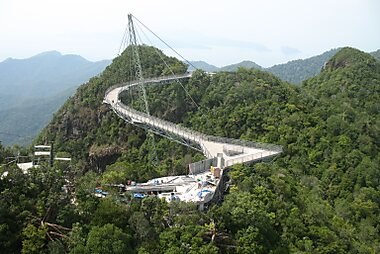
Kuala Lumpur, the capital, is most travelers' starting point, with Selangor surrounding it. Penang and Malacca are the country's best-known heritage cities, both with old colonial-era town centers. Kedah is home to the island of Langkawi, a popular beach destination, while Pahang has the cool hill country of the Cameron Highlands. Terengganu and Kelantan on the east coast are known for islands and a more traditional, conservative character - note that the northeast monsoon closes many east-coast islands and resorts from around November to February. Perak, Negeri Sembilan, and Putrajaya, the modern administrative capital, round out the peninsula.
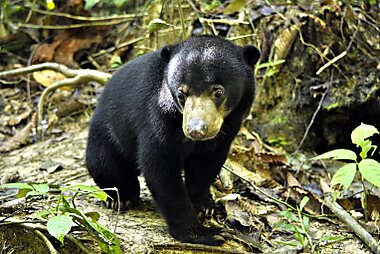
Across the South China Sea, the Bornean states of Sabah and Sarawak are a different kind of trip entirely - rainforest, orangutans, and Mount Kinabalu draw travelers who have more time and want to get off the peninsula.
Malaysia – Plan Your Trip
Pick the places you want to see and Tripomatic turns them into a day-by-day route, with smart routing, time estimates, and everything you need for a perfect trip.


Related destinations


Data: © OpenStreetMap contributors, Wikidata, Wikipedia, Tripomatic, Official websites, geoBoundaries (CC BY 4.0). Tours by GetYourGuide. We earn commission from bookings. Travel guide generated with AI.