


Rostock
Rostock is a Hanseatic port city on the Baltic coast. It combines a brick-built old town, a university and a seaside resort in one place. Warnemünde, the resort district, sits at the mouth of the Warnow river.
The city suits a trip of two to three nights. You can see the old town in a day, then spend time on the beach or the harbour. It is also a good base for the Baltic coast and other Hanseatic towns.

Rostock – Planning a Trip?
Build your day-by-day itinerary in the Tripomatic app.


When to visit
Summer is the best time for the beach, the harbour and long days. Rain falls through the year, so bring a light jacket even in July. Spring and autumn are cool and quiet. Winter is cold, dark and windy, but the old town stays open.
Hanse Sail is the main event of the year. Large sailing ships gather in the harbour in summer, and the city is busy then. Book a room early.
Best time to visit: June, August
Top sights
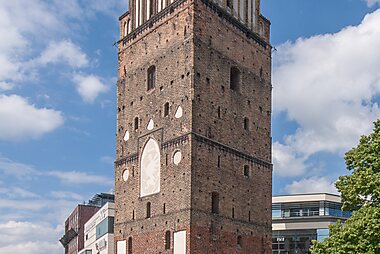

- St.-Marien-Kirche is the main church of the old town. Its astronomical clock was built in 1472.
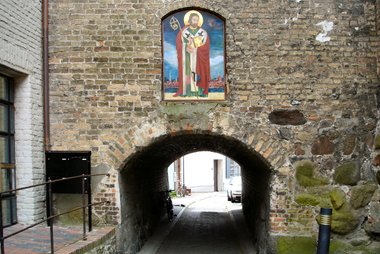
- Kröpeliner Tor is a former town gate at the west end of Kröpeliner Straße, the main pedestrian street.
- Kloster zum Heiligen Kreuz is a former convent in the old town. It houses the city's cultural history museum.
- Petrikirche has a tall tower with a viewing platform. It gives a view over the roofs and the harbour.
- Nikolaikirche is the oldest church in Rostock. It is now used for exhibitions and concerts.
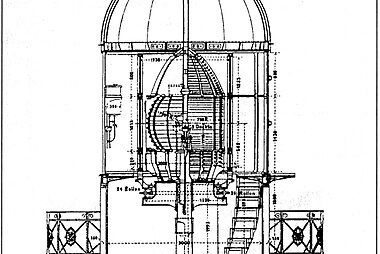
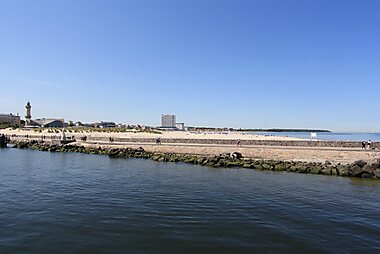
- Leuchtturm Warnemünde stands in Warnemünde, next to the mouth of the Alter Strom canal.
- Warnemünde Strand is a wide sandy beach in Warnemünde.
- Zoologischer Garten Rostock is a good stop with children.
Featured Lists

Rostock's Essential Hanseatic & Maritime Gems
Rostock’s skyline is defined by the red-brick Gothic spires of St. Mary’s and St. Peter’s churches, alongside 13th-century city fortifications like the Kröpeliner Tor. The historic center features the medieval Rathaus and the Alter Markt, while the maritime district of Warnemünde showcases the 1898 lighthouse and the distinctive curved roof of the Teepott. Industrial history is preserved in the ship museum Dresden, and the city's brewing tradition continues at the Hanseatische Brauerei, founded in 1878.
12 places


What to experience
Rostock is best known for its sea and its ships.
- Hanse Sail: Join the crowds on the quay to watch tall ships sail in and out. Many ships also offer short trips at sea.
- Beach day: Rent a Strandkorb, a roofed wicker beach chair, on the sand at Warnemünde.
- Moles at Warnemünde: Walk along the long piers at the harbour mouth to watch ships and ferries pass.
- River ferry: Take the short ferry to Gehlsdorf for a view of the old town skyline from the water.
Tours & Activities
Rostock — Map

 Open the interactive map
Day trips
These towns are easy trips by train.
- Bad Doberan: A town with a large Brick Gothic minster. A narrow-gauge steam railway runs from here to the seaside town of Kühlungsborn.
- Wismar: The old town is a UNESCO World Heritage site with a large market square and a harbour.
- Stralsund: A UNESCO World Heritage site with a harbour on the Strelasund strait.
- Schwerin: The city has a palace on an island in a lake.
Where to explore
- Local: Warnemünde is the seaside district of Rostock.
- Inland: Müritz National Park is a lake and forest area for nature trips.
Getting there
- By air: Rostock–Laage Airport has limited, mostly seasonal flights. Most visitors fly to Hamburg or Berlin Brandenburg Airport and continue by train.
- By train: Rostock Hauptbahnhof has fast connections to Hamburg and Berlin. Hamburg is about 2 hours away and Berlin about 3 hours. Book on Deutsche Bahn.
- By ferry: Ferries leave from the port for Gedser in Denmark.
Getting around
- Trams and buses: The city network is run by RSAG. Buy tickets at ticket machines or customer centres. See RSAG for routes and timetables.
- S-Bahn: Regional S-Bahn trains link the main station with Warnemünde.
- Ferry: A small ferry crosses the Warnow river to Gehlsdorf from the city harbour.
- On foot and by bike: The old town is compact and flat. A bike is useful for the coast and Warnemünde.
Driving
- Is a car worth it? Not for a city stay. Trams, buses and the S-Bahn cover the centre and Warnemünde. A car helps for exploring the coast and small villages.
- Parking: Park at the edge of the old town and walk.
Food & drink
Fish is the local speciality. Look for herring, smoked fish and fish rolls (Fischbrötchen). Sea buckthorn, a bright orange berry, appears in drinks and desserts along the coast.
Good eating areas:
- Alter Strom in Warnemünde has fish stands and harbour restaurants.
- Kröpeliner Straße and Neuer Markt have cafés and restaurants in the old town.
- The city harbour has restaurants with views of the river.
Safety & health
Rostock is safe for visitors. Pickpockets can work in crowds, for example on the Warnemünde promenade in summer and during Hanse Sail.
The Baltic Sea stays cold for much of the year. Swim only in calm weather.
History
Rostock grew as a trading port and became a leading Hanseatic city in the Middle Ages. The brick churches in the old town date from this time, including St.-Marien-Kirche and Nikolaikirche.
The university was founded in 1419. It is one of the oldest in the Baltic region.
Bombing in the Second World War damaged the centre, and Nikolaikirche was restored after the war. Parts of the old town wall, such as Kröpeliner Tor, still stand.
In East Germany, Rostock became the country's largest seaport. The state expanded the shipyards at Warnemünde.
Country facts
Quick practical facts for Germany at a glance:
- Currency
- Euro EUR € · Card payments · Commonly accepted
- Emergency numbers
- 112 Ambulance · Fire brigade
- Electricity
- 230 V · 50 HzType C / Type F
- Languages
- German
- Tap water
- Safe to drink
- Driving side
- Right
- Calling code
- +49


Rostock – Plan Your Days
Turn the places from this guide into a real itinerary, with smart routing, time estimates, and everything you need for a perfect trip.


Related destinations
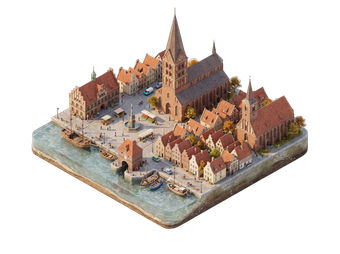
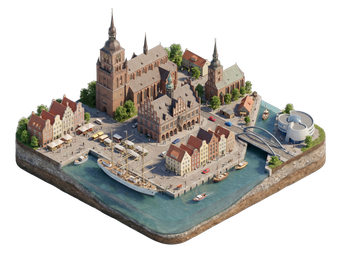
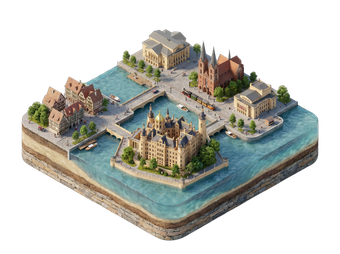
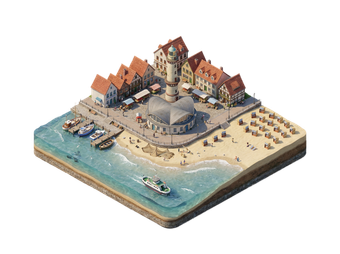
Data: © OpenStreetMap contributors, Wikidata, Wikipedia, Tripomatic, Official websites, geoBoundaries (CC BY 4.0). Tours by GetYourGuide. We earn commission from bookings. Travel guide generated with AI.
Plan your trip with Tripomatic
- AI-Powered PlanningGet a ready-made day in one tap, let AI spread your shortlist across your trip, or plan everything by chatting.
- Travel AlertsOfficial advisories, severe weather, strikes, and natural hazards for the places on each day of your trip.
- Public Holidays & EventsSee holidays, festivals, and closures on the days of your trip, and what they mean for your plans.
- Cost EstimationAI-powered trip cost breakdowns so you know what to budget before you go.
- Tours & TicketsBook tours, skip-the-line tickets, and activities directly in your plan.