Tripomatic

United Kingdom

Country ·🇬🇧 United Kingdom

The United Kingdom brings together four nations — England, Scotland, Wales, and Northern Ireland — each with its own identity, cities, and countryside. From London's global pull to the Scottish Highlands and the Welsh coast, the range of landscape and culture is larger than the UK's compact size suggests.

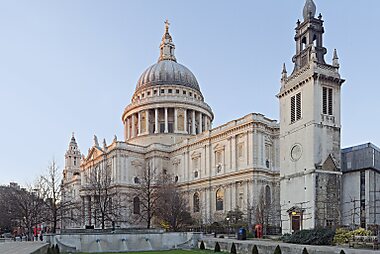
It suits travelers who enjoy history, literature, and variety: castles and cathedrals sit alongside major museums, live music, and an enormous range of countryside walking. Most first-time visitors center a trip on London, then add either a second city, such as Edinburgh, Bath, or York, or a rural region like the Lake District or the Scottish Highlands.

United Kingdom

Planning a Trip to United Kingdom?

Build your day-by-day itinerary in the Tripomatic app.

Money & payments

GBP · £
Widely accepted
1 GBP ≈ 1.353 USD 1 USD ≈ 0.739 GBP
1 GBP ≈ 1.17 EUR 1 EUR ≈ 0.8548 GBP

The UK uses the pound sterling, not the euro. Contactless card payment is the default almost everywhere, including buses and the London Underground — tapping a bank card or phone directly at the gate is usually cheaper than buying a paper ticket. Cash is rarely needed but still accepted at most small shops and markets.

Hotel (double room, per night)mid-range hotel, room for two per night (GBP)
110 – 220 £$148.86 – $297.72
Dinner (mid-range restaurant)mid-range restaurant, one person, no drinks (GBP)
18 – 35 £$24.36 – $47.36
Inexpensive mealpub meal, sandwich shop, or takeaway (GBP)
7 – 12 £$9.47 – $16.24
Local beerpint at a pub (GBP)
5 – 7 £$6.77 – $9.47
Coffeeflat white or filter coffee in a café (GBP)
3 – 4.5 £$4.06 – $6.09
Water0.5L, shop (GBP)
1 – 1.5 £$1.35 – $2.03
Transit ticketsingle pay-as-you-go Tube/bus fare with contactless or Oyster, zone 1 (GBP)
2.8 £$3.79
Taxi (per km)black cab, per km (GBP)
1.5 – 2.5 £$2.03 – $3.38

Explore United Kingdom

Editor's Choice Destinations

Editor's Choice Destinations

This curated selection highlights distinct UK sites: Edinburgh’s intimate landmarks and institutions — the Greyfriars Bobby statue, the Romanesque National Museum of Scotland with natural history and Egyptian collections (home of Dolly the sheep exhibits), the Museum of Edinburgh in Huntly House, the Royal Botanic Garden’s scientific plant collections, and the subterranean Real Mary King’s Close — alongside dramatic natural sites: Slieve Donard (850 m) in the Mournes and the weathered granite outcrop of Hound Tor.

7 places
Hidden Gems

Hidden Gems

This collection highlights lesser-known British sites with distinct historical or natural features: a 19th-century David Stevenson–designed lighthouse at the exposed Butt of Lewis; ancient and 18th-century open-cast workings at Parys Mountain with colourful spoil tips; a 50-foot cliff-top medieval seat at Findlater Castle; an active Benedictine monastery at Buckfast Abbey; Castlewellan Forest Park’s woodland trails and ornamental lake; and Unst’s famed small bus shelter.

7 places
Historic Castles & Fortifications

Historic Castles & Fortifications

A selection of 20 fortified sites across the United Kingdom, spanning Iron Age hill forts, Roman forts along Hadrian’s Wall, medieval castles and ruined 19th‑century estates. Entries highlight surviving curtain walls, motte-and-bailey earthworks, Renaissance state apartments, national‑trust properties and coastal artillery forts, with locations from Shetland to Cornwall.

20 places
Historic Churches and Cathedrals

Historic Churches and Cathedrals

This collection highlights 11 historic churches and cathedrals across the United Kingdom, featuring architectural styles from Norman and English Gothic to Neo‑Gothic and Victorian restorations. Entries include medieval parish churches and major cathedrals with notable elements such as St Giles' Thistle Chapel, Exeter's vaulted nave, Winchester's long choir and crypt, Benedictine Buckfast Abbey's monastic complex, and coastal and rural Roman Catholic and Anglican parish churches.

11 places
Heritage Sites and Ancient Ruins

Heritage Sites and Ancient Ruins

This collection highlights historic buildings, defensive works and prehistoric monuments across Britain — from royal palaces and medieval cathedrals to Roman forts, Bronze Age barrows and coastal WWII installations. Entries note surviving fabric (ruins, earthworks, masonry), architectural styles or founding periods and, where relevant, on-site museums or preserved interiors for direct study of past societies.

44 places
UK Museums and Galleries

UK Museums and Galleries

This collection highlights 20 UK museums, galleries and cultural sites showcasing tangible history and specialized collections: national natural history and art holdings in Edinburgh, maritime heritage on Bristol's historic ships, regional archaeological and Roman displays near Hadrian’s Wall, aviation exhibits at former RAF sites, and local museums preserving smuggling, fishing and industrial stories.

20 places
Parks and Nature Highlights

Parks and Nature Highlights

This selection highlights natural and designed landscapes across the United Kingdom: urban high points and monuments on Edinburgh’s Calton Hill; curated plant collections and glasshouses at the Royal Botanic Garden Edinburgh; royal grounds at Holyrood and adjacent Princes Street Gardens; granite tors on Dartmoor such as Hound Tor and Haytor; the River Tees’ notable falls (High Force, Low Force, Cauldron Snout); glacial Talkin Tarn; and wetlands including Loch Scarrasdale Valley Bog.

17 places
Viewpoints and Bridges

Viewpoints and Bridges

This collection highlights UK bridges and elevated viewpoints notable for distinct engineering, materials and historical context: suspension spans over the Avon Gorge, curved concrete box-girder crossings in northwest Scotland, 17th‑century stone arches on Dartmoor, Victorian viewing towers and Gothic memorial spires in Edinburgh, and 19th‑century railway viaducts and river arches reflecting regional transport history and local landmark status.

16 places
Pubs and Regional Dining

Pubs and Regional Dining

This selection highlights traditional pubs, riverside inns, market squares and regional restaurants across the United Kingdom. Included are historic dining streets like Edinburgh’s Royal Mile and Grassmarket, beer gardens and riverside pubs, bakeries with local specialties, and eateries that emphasize regional cuisine and outdoor seating.

14 places
Historic Shopping Streets

Historic Shopping Streets

Discover a collection of historic shopping streets and markets in Edinburgh and Bristol, each offering a unique blend of heritage, architecture, and retail charm. From the serpentine link of Cockburn Street and the vibrant Grassmarket Market in Edinburgh to the atmospheric Christmas Steps in Bristol, these locations combine rich history with distinctive shopping and dining opportunities.

5 places
Shopping and Entertainment Hubs

Shopping and Entertainment Hubs

A collection of streets, markets and performance venues across the United Kingdom that highlights specific local character: medieval lanes and Georgian boulevards in Edinburgh, a vaulted market square in Boston, historic stepped alleys in Bristol, and regional theatres from Exeter to North Wales. Entries note architectural periods, market traditions, shopping specialisms and seating capacities where relevant to help plan visits and timings.

12 places
Theatres & Entertainment

Theatres & Entertainment

This list features key historic entertainment venues and districts across the UK, including marketplaces with rich cultural histories, notable theatres, and streets known for their artistic heritage. Highlights include the Grassmarket Market in Edinburgh, a site with poignant historical significance, and theatres that contribute to local performing arts scenes in Exeter, Boston, and Wales.

5 places
Notable UK Airports

Notable UK Airports

This list features key airports across the United Kingdom, highlighting Scotland’s busiest Edinburgh Airport and important regional hubs such as Bristol and Carlisle Lake District Airports. It also includes sites of historical and private aviation significance like RAF Elvington and Glendoe Estate Airstrip, showcasing a range of international, general, and private aviation services.

6 places
Zoos and Mazes

Zoos and Mazes

This selection groups animal collections and puzzle mazes across the UK. It includes Marwell Zoo, a 140-acre zoological park near Winchester with extensive grounds; Theden Animal Park at a Trago Mills site in the southwest; The Monkey Sanctuary listed as a zoo; York Maze, a large maize maze that hosts seasonal attractions and events; plus smaller mazes such as the mini maze of illusion and the Banff Grass Labyrinth.

6 places
Premier Golf Destinations

Premier Golf Destinations

This collection highlights 25 golf venues across the United Kingdom, spanning historic inland clubs, coastal and links courses, island layouts in the Hebrides and Isle of Wight, plus family-oriented miniature golf. Entries note course type, setting and historical or landscape features where available, enabling comparison of parkland versus seaside routing and identifying island or championship-style facilities.

25 places

Tours & Activities

Map of United Kingdom

Tipping

RestaurantOptional

10-12.5%, sometimes added as a service charge

BarOptional

not customary; buying the bartender a drink is common instead

TaxiOptional

round up or 10%

HotelOptional

£1-2/day, optional

Tour guideOptional

£5-10 for a full-day tour

Many restaurants add a 12.5% service charge automatically to the bill — check before adding a further tip. Tipping is not expected in pubs when ordering at the bar, and taxi drivers are usually just rounded up rather than given a fixed percentage.

Electricity

The UK uses Type G plugs (three rectangular pins) at 230 V / 50 Hz — different from the rest of Europe, so an adapter is needed even when arriving from elsewhere in the EU.

Type G
230 V · 50 Hz

Language

English is the UK's dominant language, with Welsh, Scottish Gaelic, and Irish also officially recognized in parts of Wales, Scotland, and Northern Ireland. Regional accents can be strong, especially in Scotland, Wales, and parts of northern England, but communication is rarely an issue for English speakers.

Staying connected

Prepaid SIM cards and eSIMs are widely available at supermarkets, phone shops, and airport kiosks, with no ID or registration required. Coverage is strong nationwide, including on most rural rail lines, though some remote parts of Scotland and Wales have patchy signal.

Safety & emergencies

The UK is a safe country for tourists, with violent crime against visitors rare. The main risks are pickpocketing on crowded transport and in busy tourist areas, and bag theft in pubs and cafes — keep bags in sight.

General emergency999
Police999
Ambulance999
Fire brigade999

Health

Tap water is safe to drink throughout the UK. Pharmacies (chemists), including major chains like Boots, are widespread and can advise on minor ailments; some keep extended hours in larger cities. Visitors are not automatically covered by the NHS for most treatment, so travel insurance is worth carrying. No special vaccinations are required for entry.

Visas & entry

Visitors from the EU, US, Canada, Australia, and many other countries can enter the UK visa-free for tourism, typically for up to 6 months. Most visa-exempt visitors, including EU citizens, must also apply online in advance for an Electronic Travel Authorisation (ETA) before travel; a smaller number of nationalities need a full visa instead.

Visa and entry requirements change frequently. Verify current requirements with the official immigration authority or your country's embassy before travel.

Etiquette

Queueing is taken seriously — join the back of the line and wait your turn, whether at a bus stop or a shop counter. In pubs, order and pay at the bar rather than waiting for table service, unless a sign says otherwise. "Please" and "thank you" are used frequently, even in short exchanges.

Punctuality matters for reservations and appointments. Dress modestly when visiting cathedrals and other religious sites.

Holidays & opening hours

Public holidays vary slightly between England, Scotland, Wales, and Northern Ireland. Most shops stay open on holidays, though transport can run a reduced or Sunday-style timetable.

Jan 1New Year's Day
movable — Mar/AprGood Friday
movable — Mar/Apr (England, Wales, Northern Ireland)Easter Monday
first Monday of MayEarly May Bank Holiday
last Monday of MaySpring Bank Holiday
last Monday of August (England, Wales, Northern Ireland); first Monday of August (Scotland)Summer Bank Holiday
Dec 25Christmas Day
Dec 26Boxing Day
Jan 22 January
Nov 30St. Andrew's Day
Mar 17St. Patrick's Day
Jul 12Battle of the Boyne

In England and Wales, large shops are legally restricted to six hours of trading on Sundays, typically opening late morning; Scotland has no such restriction. Smaller shops everywhere often open longer.

Getting around

  • By train: the rail network reaches most of the country, though tickets can be expensive if not booked ahead — advance fares are usually far cheaper than paying on the day. Book via National Rail.
  • By air: domestic flights connect London to Scotland and Northern Ireland quickly, and are often worth it for longer distances such as London to Edinburgh or Belfast.
  • By bus: long-distance coaches are the cheapest way to travel between cities, though slower than the train.

Within cities, London's Underground and bus network runs on a contactless-friendly system, while Edinburgh, Manchester, and Liverpool rely mainly on buses and trams.

Driving

  • Key rules: the UK drives on the left, the opposite side to most of Europe — a real adjustment for visitors renting a car. Speed limits and road signs are in miles per hour, not kilometers.
  • Tolls and vignettes: no general motorway vignette; a few crossings charge directly, including the M6 Toll and the Dartford Crossing.
  • Congestion and LEZs: central London has a daily Congestion Charge and an Ultra Low Emission Zone (ULEZ) covering a much wider area — check a vehicle's eligibility before driving into the city.
  • Parking: on-street parking in cities is usually metered or pay-by-app; double yellow lines mean no parking at any time.
  • Fuel: stations are self-service; pay by card at the pump or inside. Petrol is labeled Unleaded or Super Unleaded; diesel is labeled Diesel.
  • Electric vehicles: charging points are common in cities and at motorway service stations, with major networks including BP Pulse, Ionity, and Gridserve; most require an app or contactless card.
Drive on the left
Urban48 km/h
Rural97 km/h
Motorway112 km/h
No motorway vignette needed
No general motorway vignette; the M6 Toll and a few bridges/tunnels charge directly. London has a separate Congestion Charge and low-emission zones (ULEZ) for driving within central London.
Petrol: Unleaded (95), Super Unleaded (97-99)Diesel: Diesel

Food & drink

British food has moved well beyond its old reputation. A cooked breakfast — eggs, bacon, sausage, baked beans, and toast — remains common at weekends, and Sunday lunch, usually a roast dinner with all the trimmings, is still a weekly ritual for many families.

Fish and chips remains the best-known national dish, traditionally eaten wrapped, by the seaside or on a park bench. Curry houses are just as central to British food culture, a legacy of South Asian immigration — chicken tikka masala is sometimes called the country's unofficial national dish. Pubs serve everything from a pie and a pint to modern gastropub cooking, and afternoon tea, with scones, clotted cream, and finger sandwiches, remains a popular treat rather than an everyday habit.

Breakfast
Full English Breakfast  Full EnglishA cooked breakfast typically featuring eggs, bacon, sausages, baked beans, grilled tomato, and toast.
Lunch
Fish and ChipsBattered and fried fish (usually cod or haddock) served with thick-cut fried potatoes.
Dinner
Sunday RoastRoasted meat served with roast potatoes, vegetables, gravy, and Yorkshire pudding, traditionally eaten on Sundays.
Chicken Tikka MasalaA South Asian-influenced curry dish that has become a British national favorite, usually chicken in a creamy spiced tomato sauce.
Shepherd's Pie  Cottage/Shepherd's PieGround beef and vegetables topped with mashed potato and baked, a comforting classic.
Snacks & street food
Cornish Pasty  PastyMinced meat and vegetables encased in pastry and baked, a classic savory hand pie.
Afternoon TeaAfternoon tea service with finger sandwiches, scones with clotted cream and jam, and pastries.
Sausage RollSausage wrapped in pastry, a popular savory snack from bakeries.
Drinks
English Ale  Real Ale / BitterTraditional English ale, often served at room temperature, distinct from lagers.

Where to explore

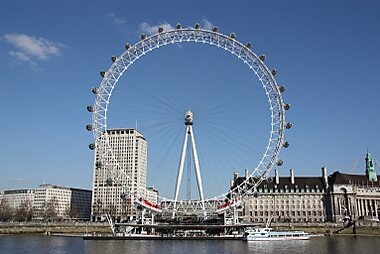
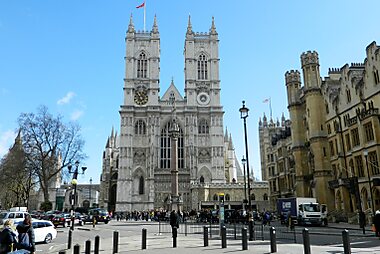
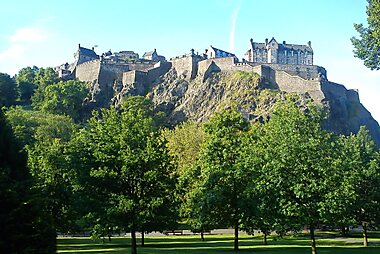
London is the obvious starting point for most visits, with major museums, royal landmarks, and a nightlife and food scene to match any global city. Edinburgh, Scotland's capital, pairs a dramatic hilltop castle with a compact, walkable old town, especially lively during its August festivals.

Manchester and Liverpool in the north of England both trade on strong music and football heritage, with Liverpool's waterfront and Beatles history drawing visitors on their own. Oxford and its university colleges are an easy day trip or overnight from London, while Bath is known for its Roman baths and honey-colored Georgian streets.

London
Drive
Edinburgh
Drive
Manchester

Plan Your Trip to United Kingdom

Pick the places you want to see and Tripomatic turns them into a day-by-day route, with smart routing, time estimates, and everything you need for a perfect trip.


3M+ downloads · 4.6 stars · 15 years of trip planning
QR code
Scan to download the app

Related destinations