
Must Visit Historical Places in Spain
-
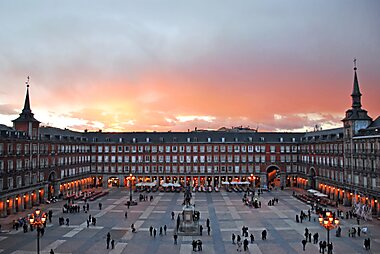
Main Square
Historic city square dating back to the 17th century, known for its baroque architecture and a notable bronze equestrian statue of King Philip III. It serves as a cultural hub featuring uniform buildings, balconies, and pedestrian-friendly spaces.
-
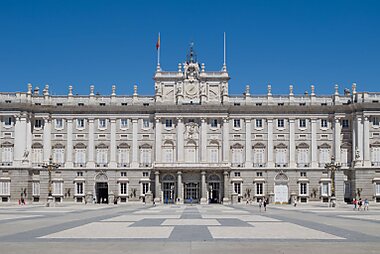
Royal Palace
Baroque royal palace serving as the official residence of Spanish royalty, featuring extensive art collections and historical artifacts.
-
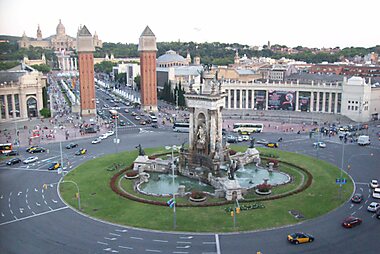
Plaça d'Espanya
Historic square featuring monumental architecture, iconic towers, sculptures, and fountains, built for the 1929 International Exposition.
-
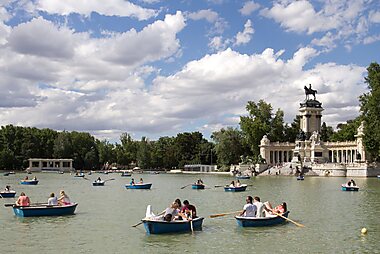
El Retiro Park
Historic royal park featuring extensive gardens, sculptures, monuments, and cultural landmarks. Recognized as a UNESCO World Heritage Site.
-
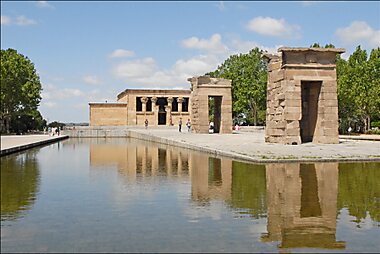
Temple of Debod
Ancient Egyptian temple relocated to Spain as a national monument, notable for its historical and architectural significance. It represents Nubian Egyptian religious architecture from the 2nd century BC.
-
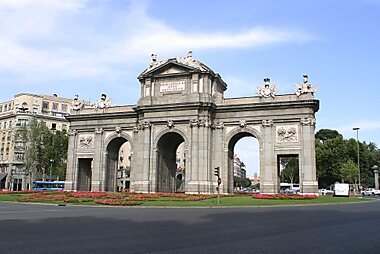
Puerta de Alcalá
Historic neoclassical triumphal arch built in the late 18th century as a city gate and monument.
-
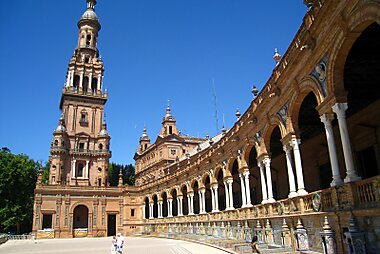
Plaza de España
Historic semi-circular square built in 1928 featuring Moorish revival and Renaissance Revival architecture with decorative tilework representing Spanish provinces.
-
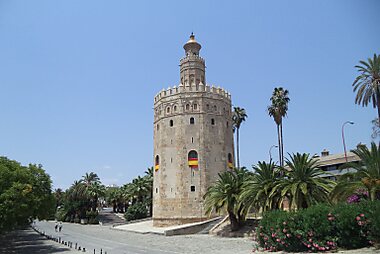
Gold Tower
Historic twelve-sided military watchtower from the 13th century featuring Moorish architecture, now functioning as a museum and viewpoint with panoramic views of the river and city.
-
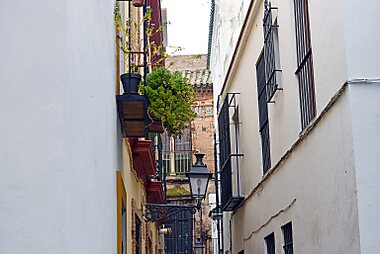
Santa Cruz Quarter
Historic Jewish quarter known for its narrow winding streets, whitewashed houses, and notable landmarks such as the Alcázar Palace and the Cathedral with the Giralda tower.
-
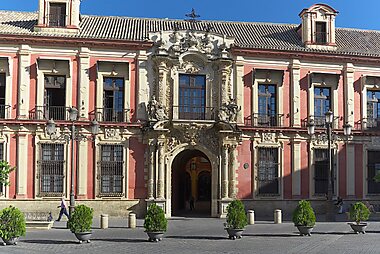
Archbishop's Palace
Historic baroque palace built on Roman and Almohad foundations, serving as the residence and administrative center for archbishops. It houses notable architecture and significant art collections.
-
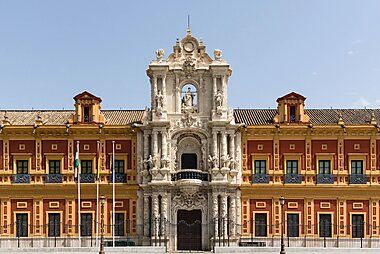
San Telmo Palace
Historic baroque palace built in 1682, serving as the seat of the Regional Government of Andalusia, known for its architecture, art, and gardens.
-
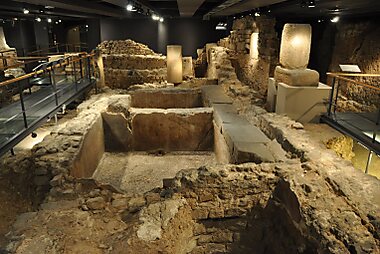
MUHBA Plaça del Rei
The three-storey building is home to the headquarters of Barcelona City History Museum.
-
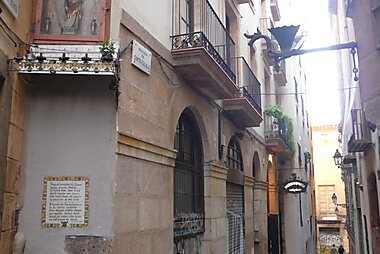
Carrer de Sant Sever
Historically known as Baixada de Santa Eulàlia, this street and its Gothic architecture will captivate you.
-
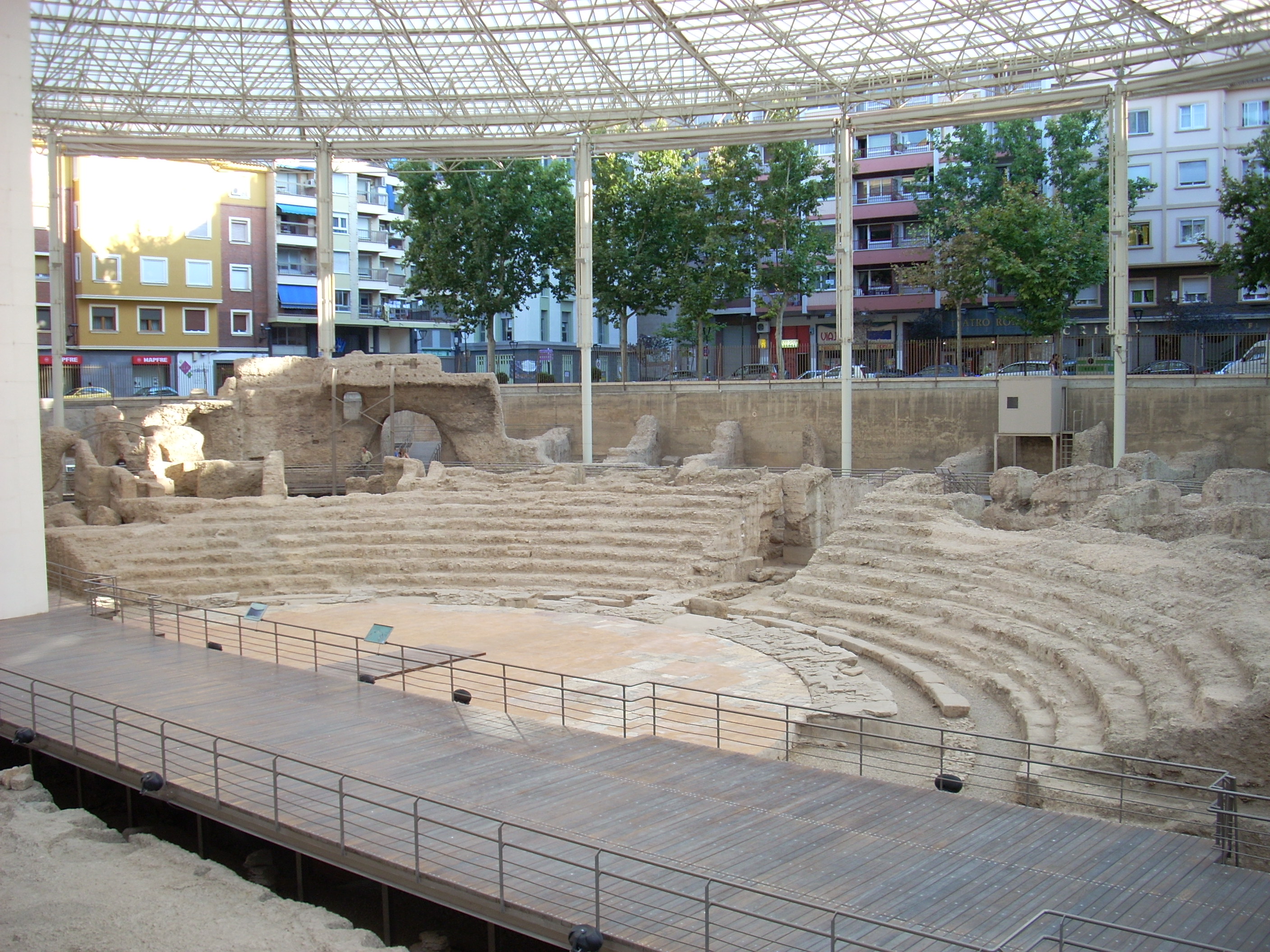
Roman Theatre of Zaragoza
The Roman Theater of Zaragoza is a theater from the Roman era, built in the first half of the 1st century AD, in the Age of Tiberius and…
-
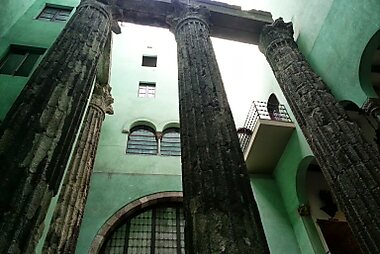
Columns of the Temple of Augustus
Dating back to the times of the Roman colony of Barcino, this ruined temple marks what used to be the highest point of the Taber Hill.
-
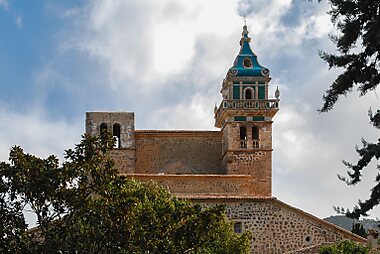
Valldemossa Charterhouse
The Valldemossa Charterhouse is a palace in Valldemossa, Mallorca that was royal residence of the king Sancho of Majorca and later Royal…
-
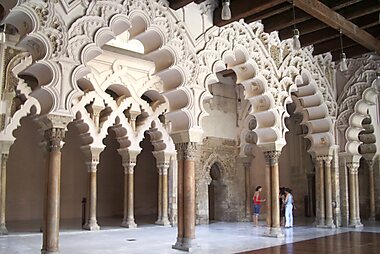
Aljafería Palace
The Aljafería Palace is a fortified medieval palace built during the second half of the 11th century in the Taifa of Zaragoza in Al-Andalus…
-
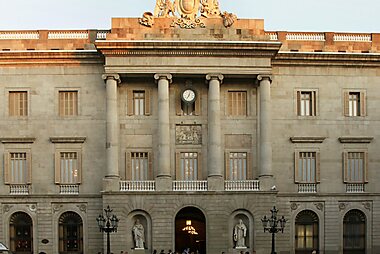
Barcelona City Council
Located right in the heart of Barcelona's Gothic Quarter, this architectural gem is a sight you should not miss.
- SAndreas Praefcke / Public domain
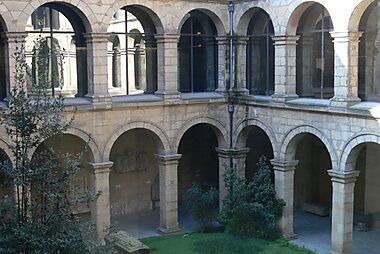
Basque Museum
Basque rural sports, known as Deportes Rurales in Spanish or Herri Kirolak in Basque, is the term used for a number of sports competitions…
-
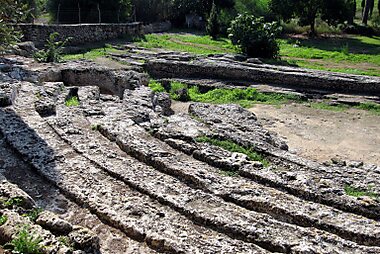
Roman Theatre of Alcudia
Built in the 1st century and carved out of the bedrock - this is what makes it unique and worth a visit.
-
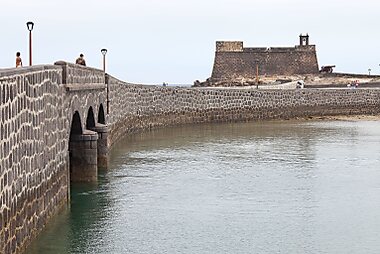
Saint Gabriel Castle
Situated on a small island accessible via two causeways, this compact fortress was built in 16th century for defensive purposes.


Plan Your Day-by-Day Itinerary
Create a detailed travel itinerary with smart routing, time estimates, and everything you need for a perfect trip.





Tours & Activities
Plan Your Day-by-Day Itinerary
Create a detailed travel itinerary with smart routing, time estimates, and everything you need for a perfect trip.
