


Antequera
Antequera is a historic town in the north of the province of Málaga, in Andalusia, often called the "heart of Andalusia" for its central position. It is known for its prehistoric dolmens, which are a UNESCO World Heritage Site, and for its Renaissance and Baroque churches, a Moorish fortress and the limestone landscape of El Torcal.
It is a good base for the nearby Caminito del Rey walkway. It works as a one- or two-day stop between Málaga, Granada, Córdoba and Seville.

Antequera – Planning a Trip?
Build your day-by-day itinerary in the Tripomatic app.


When to visit
Spring and autumn are the best seasons, with mild weather for the dolmens and for walking at El Torcal. Summer is hot and dry. Winters are cool, and fog can sit over El Torcal.
The Caminito del Rey is open most of the year, but tickets sell out in spring and autumn, so book ahead.
Best time to visit: April, May, June, September, October
Top sights




- Antequera Dolmens Site is the UNESCO-listed group of megalithic monuments, with the dolmens of Menga and Viera, and the Tholos of El Romeral.
- Dolmen de Menga is one of the largest megalithic burial chambers in Europe, built more than 5,000 years ago.
- Dolmen de Viera is a long corridor tomb aligned with the sunrise.
- Tholos de El Romeral is a Bronze Age tomb with a false dome, about 4 km from the center.
- The Alcazaba de Antequera is a Moorish fortress above the old town, with towers and views over the plain.
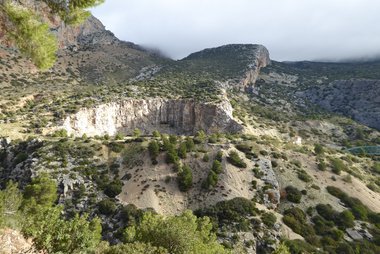
- Centro de Visitantes del Torcal de Antequera is the visitor center of El Torcal, a nature reserve of eroded limestone rock formations.
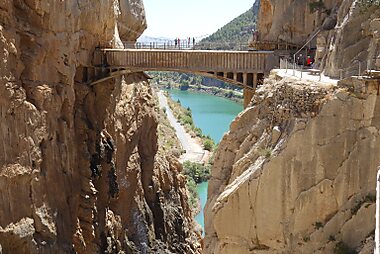
- Caminito del Rey is a walkway on the cliffs of a gorge, about 35 km west of town.
- El Chorro Gorge and Desfiladero de Los Gaitanes are the gorge and narrow canyon beside the walkway.
- The old town has many churches and Baroque houses, such as the Real Colegiata de Santa María la Mayor, next to the fortress.
Featured Lists


What to experience
- Enter the Menga dolmen and see the Viera chamber.
- Walk a trail in El Torcal among the rock formations.
- Spend half a day on the Caminito del Rey.
- Try the local dishes in a tavern in the old town.
Tours & Activities
Antequera — Map

 Open the interactive map
Day trips
- El Torcal de Antequera (about 15 km): a nature reserve with marked trails through limestone formations.
- Caminito del Rey (about 35 km, 40 minutes by car): a walkway above the Gaitanes gorge. Book tickets in advance.
- Fuente de Piedra lagoon (about 25 km): a lake with flamingos in winter and spring.
- Ronda (about 90 km): a town on a gorge.
- Carmona (about 130 km): a Roman and medieval hill town near Seville.
Where to explore
Getting there
- By train: Antequera-Santa Ana station has high-speed trains to Málaga, Córdoba and Seville, and trains to Granada. Book on Renfe.
- By bus: Buses link the town with Málaga, Granada and Seville.
- By air: Málaga airport is about 60 km away. A rental car or train connection is the easiest way.
Getting around
- On foot: The old town is on a hill, and the streets are steep. The dolmens are about 2 km from the center, and the train station is about 3 km out.
- Taxi and bus: Useful for the dolmens and the station.
- Car: The best way to reach El Torcal and the Caminito del Rey.
Driving
- Is a car worth it?: Yes, for El Torcal, the Caminito del Rey and the lagoon. The town itself is small.
- Parking: Free and paid parking is available below the old town. The old town has narrow, steep streets.
- Roads: The A-92 and A-45 pass by. The road up to El Torcal is winding.
Food & drink
Antequera has its own dishes. Try porra antequerana, a thick cold tomato soup like salmorejo, served with ham and egg, and mollete, a soft bread, for breakfast. Bienmesabe is a fried marinated fish, and angelorum is a local sweet cake, based on the convent pastry tradition.
Local olive oil and cured meats are also well known.
Safety & health
Antequera is a safe town. In summer the heat is strong, so bring water and sun protection to the dolmens and El Torcal. At El Torcal, the weather can change quickly, and fog and cold are possible in winter. On the Caminito del Rey, follow the rules and wear the helmet provided.
History
Antequera has been inhabited since prehistory. The dolmens of Menga and Viera date from the Neolithic period, about 5,000 years ago, and El Romeral from the Bronze Age. The Romans built a town here called Anticaria.
The Moors held the town until 1410, when it was taken by the Christian forces. The Renaissance and Baroque churches date from the later period of prosperity. The dolmens site, together with the Peña de los Enamorados and El Torcal, was listed by UNESCO in 2016.
Country facts
Quick practical facts for Spain at a glance:
- Currency
- Euro EUR € · Card payments · Widely accepted
- Emergency numbers
- 112
- Electricity
- 230 V · 50 HzType C / Type F
- Languages
- Spanish
- Tap water
- Safe to drink
- Driving side
- Right
- Calling code
- +34


Antequera – Plan Your Days
Turn the places from this guide into a real itinerary, with smart routing, time estimates, and everything you need for a perfect trip.


Related destinations


Data: © OpenStreetMap contributors, Wikidata, Wikipedia, Tripomatic, Official websites, geoBoundaries (CC BY 4.0). Tours by GetYourGuide. We earn commission from bookings. Travel guide generated with AI.