


Cannes
Cannes is a small seaside city on the French Riviera, best known for its film festival. It has a long sandy waterfront, a historic old quarter on a hill, and a busy harbour. Many visitors come for the beaches, the shops and the relaxed Riviera pace.
It suits a short, easy trip of two to four nights. Most sights are close together and walkable. From here you can also reach other Riviera towns by train, and the Lérins islands by boat.
Download this guide as a PDFPrintable tourist mapPublic holidays in France

Cannes – Planning a Trip?
Build your day-by-day itinerary in the Tripomatic app.


When to visit
Late spring and early autumn are the best times. The weather is warm, the sea is pleasant and crowds are smaller. July and August are hot and busy, and hotel prices are highest. Winters are mild but rainy, and many beach clubs close.
The big event is the Cannes Film Festival in May. It is an industry event, so most screenings are for accredited guests. Hotels fill up and prices rise sharply. The city also runs free open-air film screenings on the beach during the festival.
Best time to visit: May, June, July, September, October
Top sights
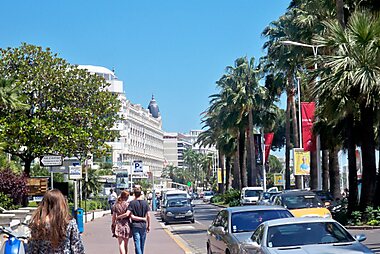

- Promenade de la Croisette is the seafront boulevard of Cannes. Palm trees, grand hotels, boutiques and beach clubs line it. Walk it at sunset.
- Palais des Festivals et des Congrès is the congress hall where the film festival takes place. The red-carpet steps at the front are a popular photo stop.
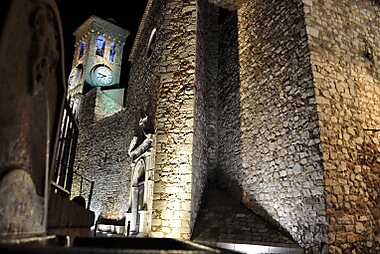
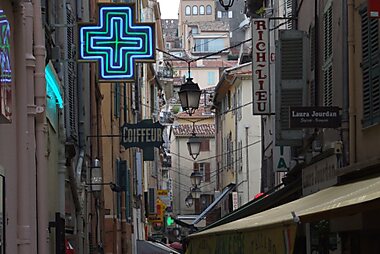
- Le Suquet is the old town on the hill above the harbour. Narrow lanes lead up to a medieval tower with wide views of the bay.
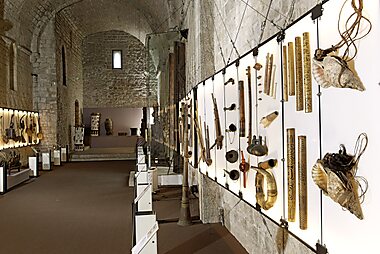
- Musée des explorations du monde is a museum in the old castle at the top of Le Suquet. It shows art and objects from cultures around the world.
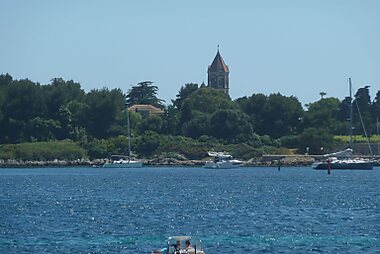
- Île Saint-Honorat is the smaller of the two Lérins islands. It is quiet and green, and walking paths run through pine woods.
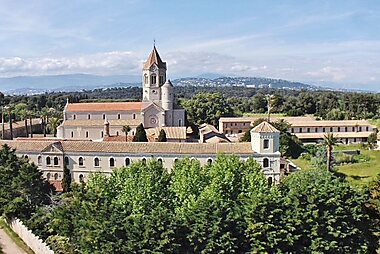
- Abbaye de Lérins is a working monastery on the island of Saint-Honorat. Monks have lived here for about 1,600 years, and they make wine on the island.
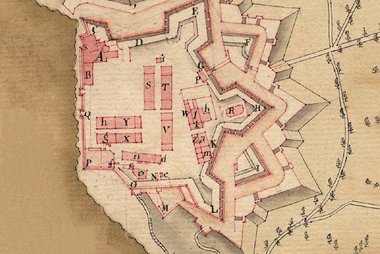
- Fort Royal is a fort on Sainte-Marguerite island. A famous prisoner, the Man in the Iron Mask, was held here in the 17th century. It also holds a maritime museum.
- Rue Meynadier is a pedestrian shopping street in the old centre. It has food shops, small cafés and restaurants.
Featured Lists


What to experience
- Take the short boat ride to the Lérins islands. Walk around Sainte-Marguerite and swim from its rocky coves. On Saint-Honorat, stop at the monastery shop for wine made on the island.
- Photograph the red-carpet steps of the Palais des Festivals, then see the film-star hand prints set in the pavement nearby.
- Watch a free open-air film at the beach cinema during the film festival in May.
- Climb to Le Suquet at sunset and watch the bay turn orange.
- Spend a beach day. Public beaches along the Croisette are free. Beach clubs charge for sun loungers and meals.
- See the superyachts in the old port. The Cannes Yachting Festival takes place in September.
Tours & Activities
Cannes — Map

 Open the interactive map
Day trips
Cannes is a good base for the rest of the Riviera. Trains run along the coast all day.
- Antibes: about 10 minutes by train. It has an old walled town, a market and a harbour full of yachts.
- Grasse: about 25 minutes by train. This hill town is the traditional centre of French perfume making.
- Nice: about 30 to 40 minutes by train. It has a long seafront, a large old town and many museums.
- Saint-Raphaël and Fréjus: about 25 to 30 minutes by train to the west. They have beaches, Roman ruins and a calmer feel.
- Saint-Paul-de-Vence: a walled hilltop village known for its art galleries. Use the train to Antibes or Nice, then a bus. Allow about 1.5 hours each way.
- Menton: about 1 hour 10 minutes by train. It is on the Italian border and known for lemons and gardens.
- Mougins: a hill village a short bus or car ride inland, known for its restaurants.
- Monaco: about 1 hour by train.
Where to explore
- Along the coast to the east: Antibes, Nice, Saint-Jean-Cap-Ferrat and Menton.
- Inland, in the hills: Grasse and Saint-Paul-de-Vence.
- To the west: Fréjus, Saint-Raphaël and Saint-Tropez.
Getting there
- By air: Nice Côte d'Azur Airport is the main gateway, about 25 km east. Buses and taxis link it to Cannes in about 45 to 60 minutes. Alternatively, take a tram or shuttle to Nice and then a train.
- By train: Cannes station is on the main Riviera line. Trains run to Nice, Antibes and Marseille. High-speed TGV trains from Paris take about 5.5 hours to Cannes and Nice.
- By bus: Regional buses connect Cannes with Nice, the airport and nearby towns. The station is in the centre, a short walk from the Palais des Festivals.
Getting around
- Walking: The centre, the old port, Le Suquet and the Croisette are all within easy walking distance. The full waterfront walk is about 2 km.
- Buses: Palm Bus covers the city. You can pay by tapping a contactless bank card or phone on board.
- Trains: Local trains connect the stations of Cannes, including Cannes La Bocca in the west. Use them for trips along the coast.
- Boats: Ferries to the Lérins islands leave from the old port.
- Cycling: Cycling is possible on the seafront. Hills and traffic limit it elsewhere.
Driving
- Is a car worth it?: Not for a stay in the city. The centre is compact, parking is limited and traffic is heavy in summer. A car helps for hill villages inland.
- Parking: Use the underground car parks near the Palais des Festivals, the old port and the market. Street parking is mostly paid.
- Restrictions: Traffic around the Croisette is very slow during the film festival and other big events. The motorway along the coast has tolls.
Food & drink
Cannes follows Riviera and Provençal cooking. Look for fish soup, grilled fish, salade niçoise, socca (a chickpea pancake) and pissaladière (an onion tart). Rosé wine from Provence suits all of them.
The best area to eat is the old centre. Rue Meynadier and the lanes of Le Suquet have many small restaurants. Marché Forville is the main covered food market. It opens every morning except Monday (daily in July and August) and is the best place for local produce, cheese and olives. Restaurants on the Croisette cost more than those in the old town.
Safety & health
Cannes is safe for visitors. Petty crime is the main problem. Pickpockets work in crowds, on the Croisette, at the station and during big events. Keep bags closed and do not leave valuables on the beach.
Tap water is safe to drink. During the film festival, expect crowds, road closures and security checks near the Palais des Festivals.
History
Monks settled on the Lérins islands around the year 410. The monastery at Abbaye de Lérins still runs today.
Cannes itself grew around a hill fortress, now Le Suquet. Le Suquet keeps a medieval tower and the old castle. For centuries Cannes was a small fishing town.
In the 1830s the British politician Lord Brougham came to Cannes and built a villa here. Other wealthy British visitors followed, and the town became a winter resort. A statue of him stands near the old port.
The Cannes Film Festival began in 1946. It moved into the current Palais des Festivals et des Congrès in 1982, and the city has been known for cinema ever since.
Country facts
Quick practical facts for France at a glance:
- Currency
- Euro EUR € · Card payments · Widely accepted
- Emergency numbers
- 112
- Electricity
- 230 V · 50 HzType C / Type E
- Languages
- French
- Tap water
- Safe to drink
- Driving side
- Right
- Calling code
- +33


Cannes – Plan Your Days
Turn the places from this guide into a real itinerary, with smart routing, time estimates, and everything you need for a perfect trip.


Related destinations





Data: © OpenStreetMap contributors, Wikidata, Wikipedia, Tripomatic, Official websites. Tours by GetYourGuide. We earn commission from bookings. Travel guide generated with AI.
Plan your trip with Tripomatic
- AI-Powered PlanningGet a ready-made day in one tap, let AI spread your shortlist across your trip, or plan everything by chatting.
- Travel AlertsOfficial advisories, severe weather, strikes, and natural hazards for the places on each day of your trip.
- Public Holidays & EventsSee holidays, festivals, and closures on the days of your trip, and what they mean for your plans.
- Cost EstimationAI-powered trip cost breakdowns so you know what to budget before you go.
- Tours & TicketsBook tours, skip-the-line tickets, and activities directly in your plan.