


Jersey
Jersey is the largest of the Channel Islands. It lies about 20 km from the coast of Normandy in France and more than 100 km south of England. It is a Crown Dependency: it has its own government, laws and taxes, and it is not part of the United Kingdom or the European Union. The capital and main harbour town is St Helier.
The island is small, about 14 km by 8 km, but it has a lot of variety. The north coast has high cliffs and quiet bays. The south and west have long sandy beaches. Inland, narrow lanes link farms, villages and old granite churches. The tides are among the largest in the world, so the coastline changes a lot between low and high tide. Visitors come for coastal walks, beaches, castles, food and World War II history.



Jersey – Planning a Trip?
Build your day-by-day itinerary in the Tripomatic app.


Money & payments
Jersey uses the pound. Jersey issues its own notes and coins, which have the same value as pound sterling. UK notes and coins are accepted everywhere on the island. Jersey notes are not legal tender in the UK and are often refused there, so spend them or change them before you leave.
There is no VAT. Instead, a 5% Goods and Services Tax (GST) is included in most prices. Visitors can claim back GST on purchases over £100 in shops that take part in the visitor refund scheme.
ATMs are easy to find in St Helier and at the airport, but there are fewer in the countryside.
Featured Lists

Jersey Essentials
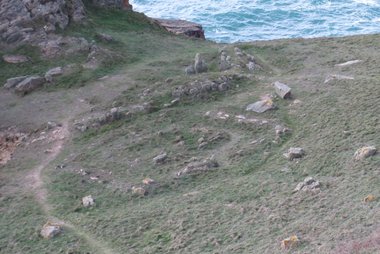
Jersey's landscape is defined by its strategic maritime history and unique Anglo-French heritage. This collection spans the island's timeline, from the Neolithic passage grave at La Hougue Bie and the medieval ruins of Grosnez Castle to the 19th-century Fort Regent. Key sites include the underground WWII Jersey War Tunnels, the world-renowned Jersey Zoo, and tidal fortresses like Elizabeth Castle. Natural and cultural highlights feature the expansive Saint Aubin's Bay and specialized botanical collections at Samarès Manor and the Eric Young Orchid Foundation.
14 places

Historic Churches & Chapels
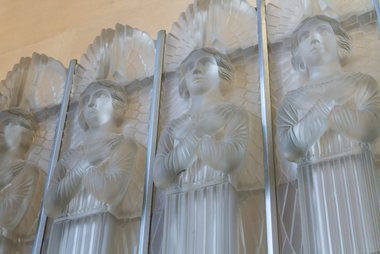
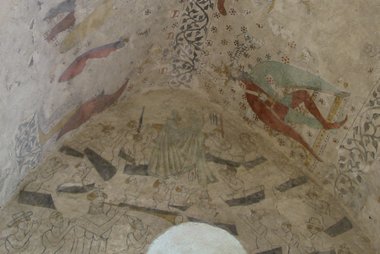
Jersey’s spiritual landscape is defined by its twelve ancient parish churches, most dating back to the 11th and 12th centuries. These granite structures showcase Norman and Gothic architectural influences, often built on earlier pagan sites. Notable highlights include St Matthew’s Church, famous for its intricate Lalique glass interior, and the Fishermen’s Chapel, which contains rare medieval wall paintings. From the seaside setting of St Brelade’s to the tall spire of St Peter’s, these sites offer a glimpse into the island's religious and architectural evolution.
13 placesTours & Activities
Jersey — Map

 Open the interactive map
Tipping
Tipping follows UK habits and is never required.
- Restaurants: about 10% is common if the bill has no service charge.
- Taxis: rounding up the fare is enough.
- Bars: tipping is not usual.
- Hotels and guides: a small tip is optional for good service.
about 10 % if service is not included
round up
Electricity
Jersey uses the UK three-pin plug (type G). Visitors from Europe, North America and most other regions need an adapter.
Language
English is the everyday language. French is also an official language, and you will see it in many street names, parish names and old legal terms. Jèrriais is the island's own Norman-French language. Only a small number of people speak it, but it appears on some signs.
Visitors do not need any language other than English.
Staying connected
Jersey is outside the UK and the EU. Many UK and EU phone plans charge roaming fees on the island. Check with your provider before you travel, or buy a local SIM or eSIM.
Safety & emergencies
Jersey is a very safe place for visitors. Crime against tourists is rare. The main risks come from the sea and the coast.
- Tides: the tide range can reach about 12 metres, and the water comes in very fast. Check tide times before you walk on beaches or rocks. Do not walk far out at low tide without a guide.
- Causeways: the paths to Elizabeth Castle and La Corbière Lighthouse are covered at high tide. Follow the warning signs, and leave as soon as the alarm sounds at La Corbière.
- Cliff paths: stay on marked paths, especially on the north coast after rain.
- Narrow lanes: many country roads have no pavement, so walkers and cyclists share them with cars.
The emergency number also reaches the coastguard.
Health
Tap water is safe to drink. There are pharmacies in St Helier and in the larger villages. The island's only general hospital is in St Helier.
Healthcare for visitors is not free. Jersey has its own health system, separate from the UK's NHS. Visitors pay for GP visits and prescriptions. A reciprocal agreement with the UK covers only urgent treatment that cannot wait until you return home. It does not cover medical transport home. Take travel insurance that includes medical care and repatriation.
Visas & entry
Jersey is not part of the UK or the EU, but it is part of the Common Travel Area with the UK, Ireland, Guernsey and the Isle of Man. Its entry rules follow the UK system closely.
- Arriving from within the Common Travel Area: there are no routine passport checks, but carry photo ID. Airlines and ferry companies ask for it.
- Arriving from outside the Common Travel Area: you need a valid passport.
- Electronic Travel Authorisation (ETA): since 23 April 2026, visitors who do not need a visa may need an ETA to visit Jersey. You apply online through the UK ETA service. British and Irish citizens do not need one.
- French day visitors: French nationals on a day return trip by ferry from France can travel with a valid French identity card. They do not need an ETA for this trip.
- Visa nationals: you must get a visa before you travel.
Details are on the official site: Government of Jersey – visa and passport requirements.
Visa and entry requirements change frequently. Verify current requirements with the official immigration authority or your country's embassy before travel.
Holidays & opening hours
On public holidays many shops, banks and offices close, and buses run a reduced timetable. Liberation Day on 9 May marks the end of the German occupation in 1945. It is the island's national day, with events in St Helier and across the island.
Most shops open from about 9:00 to 17:30, Monday to Saturday. Many smaller shops close on Sunday, but supermarkets and some St Helier stores open for shorter hours. Outside the summer season, some cafés and attractions open fewer days or close for the winter.
Getting around
- By air: Jersey Airport is in the west of the island, about 20 minutes by car or bus from St Helier. There are flights to many UK airports, to Guernsey and to some European cities. See Ports of Jersey.
- By sea: car ferries sail to St Helier from Portsmouth, Poole and St Malo in France. The fastest crossing from Poole takes about 4.5 hours. Book early in summer.
- By bus: LibertyBus runs routes all over the island from Liberation Station in St Helier. You can pay on board with a contactless bank card. Day and multi-day passes are useful if you plan several trips.
- By bike or on foot: the island is small, and many quiet "Green Lanes" give priority to walkers, cyclists and horse riders. A flat cycle and walking path runs along St Aubin's Bay.
Many visitors bring a car or hire one, because some beaches and sights in the north and west are not served often by buses.
Flights to Guernsey run all year. Ferries between the islands are limited and seasonal, so check timetables before you plan a day trip to Guernsey or Sark.
Visit Jersey has more travel information.
Driving
- Side of the road: traffic drives on the left, as in the UK.
- Roads: there are no motorways. On Green Lanes, walkers, cyclists and horse riders have priority over cars.
- Junctions: some junctions use a "filter in turn" system. Cars from each road take turns to go.
- Hire cars: hire cars carry a letter H on the number plate, so local drivers know you are a visitor.
- Parking: public car parks charge during the day, Monday to Saturday. Pay with a paper paycard sold in local shops, or with the PayByPhone app. Some streets use time-limited parking discs.
- Lanes: lanes are often narrow, with high walls or hedges and few passing places. Drive slowly and be ready to reverse.
- Fuel: pumps are labelled "Unleaded" for petrol and "Diesel". Some filling stations close in the evening and on Sundays.
Food & drink
Seafood is a highlight. Look for oysters from the Royal Bay of Grouville, crab, lobster and scallops. Beach kiosks and cafés serve simple fish dishes and crab sandwiches. Jersey Royal potatoes are small new potatoes with a protected name. They are in season in spring and early summer.
The famous Jersey cow gives very rich milk, cream and ice cream. Traditional island foods include black butter, a dark spiced spread made from apples and cider, and Jersey wonders, small twisted doughnuts. Bean crock is a slow-cooked stew of beans and pork. Local cider, apple brandy and wine from small island estates are worth trying. Most restaurants are in St Helier, St Aubin and Gorey, and many country pubs serve food.
Where to explore
Coast and countryside
Jersey National Park covers much of the island's coast and open countryside. It is the best area for walks, views and wildlife.
St Helier and the south coast
- Elizabeth Castle stands on a tidal island in St Aubin's Bay. You walk across at low tide or take an amphibious ferry.
- Royal Square is the historic centre of St Helier, next to the States Building where the island's parliament meets.
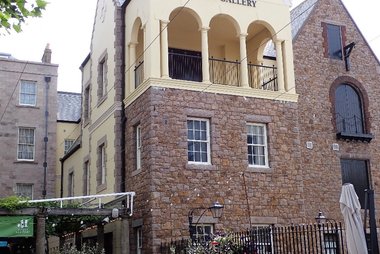
- Jersey Museum & Art Gallery tells the island's story and includes a restored Victorian merchant's house.
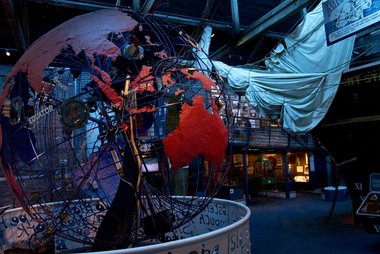
- Jersey Maritime Museum covers Jersey's links with the sea. The Occupation Tapestry is shown in the same building.
- St Aubin is a small harbour village with cafés and old houses, at the western end of St Aubin's Bay.
- St Brelade's Bay is a wide sandy beach in the southwest. The small medieval Fishermen's Chapel stands next to the parish church.
The east
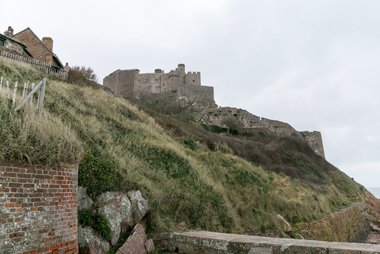
- Mont Orgueil Castle is a medieval castle above Gorey harbour, with good views to the French coast.
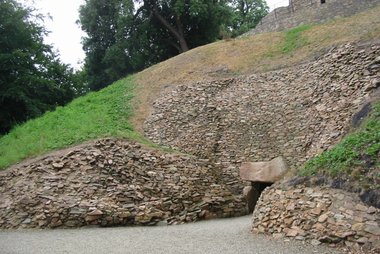
- La Hougue Bie is a Neolithic passage grave about 6,000 years old, with a medieval chapel on top and a war bunker in the grounds.
- Durrell Wildlife Park was founded by the naturalist Gerald Durrell and focuses on saving endangered species.
- Seymour Tower stands far out on the rocks in the southeast. At low tide you can walk there with a guide.
The centre, north and west
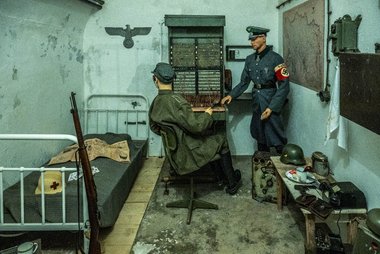
- Jersey War Tunnels is a network of tunnels built during the German occupation. The museum tells the story of island life in World War II.
- Hamptonne Country Life Museum shows rural life in old farm buildings with an orchard and cider barn.
- Devil's Hole is a collapsed sea cave on the north coast, reached by a short cliff path.
- Grosnez Castle is a ruined castle on the northwest tip of the island.
- La Corbière Lighthouse is on a rock at the southwest corner. It is a popular place to watch the sunset.
- St Ouen's Bay is a long sandy beach on the west coast, popular with surfers.
Other Channel Islands


Jersey – Plan Your Days
Turn the places from this guide into a real itinerary, with smart routing, time estimates, and everything you need for a perfect trip.


Related destinations

Data: © OpenStreetMap contributors, Wikidata, Wikipedia, Tripomatic, Official websites, geoBoundaries (CC BY 4.0). Tours by GetYourGuide. We earn commission from bookings. Travel guide generated with AI.