


Mérida
Mérida is the capital of Yucatán and the cultural centre of the peninsula. It has white-stone colonial buildings, leafy plazas and wide boulevards with mansions from the henequen boom. Maya culture is part of daily life, in food, language and festivals.
It is a good base for three to four nights. From here you can reach the Maya sites of Uxmal and Chichén Itzá, the pink lagoons and flamingos on the coast, and many cenotes. It is also one of Mexico's calmer and safer big cities.
Download this guide as a PDFPrintable tourist mapPublic holidays in Mexico

Mérida – Planning a Trip?
Build your day-by-day itinerary in the Tripomatic app.


When to visit
November to February is the most comfortable time. Days are warm and dry. March to October is very hot, and the rainy season runs from June to October.
Many visitors plan around the Day of the Dead in early November, when the city holds events and altars. Every Sunday, streets in the centre close to cars for markets, music and bike rides.
Top sights
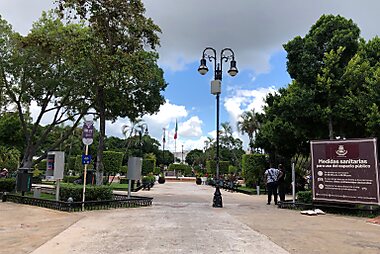
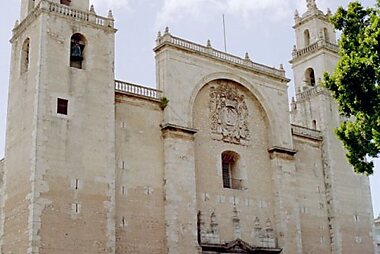
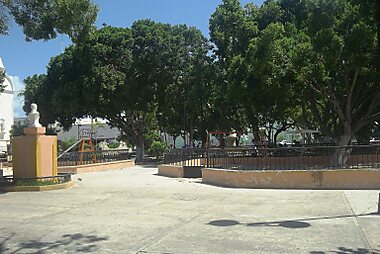
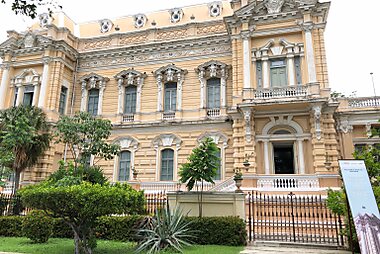
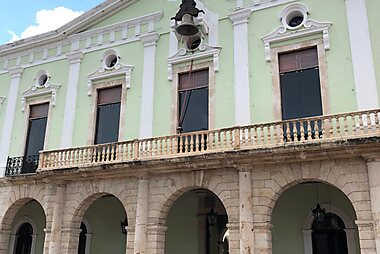
- Plaza de la Independencia is the main square, with laurel trees, benches and weekend events.
- Catedral de San Ildefonso is a 16th-century cathedral built with stones from a Maya temple. It is one of the oldest on the American mainland.
- Palacio de Gobernio faces the square and has large murals on Maya and Mexican history. Entry is free.
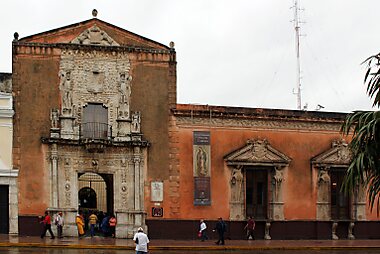
- Casa de Montejo is a mansion from 1549 with a carved stone facade. It is now a museum.
- El Paseo Montejo is a wide boulevard with mansions, monuments and cafés. It is good for an evening walk.
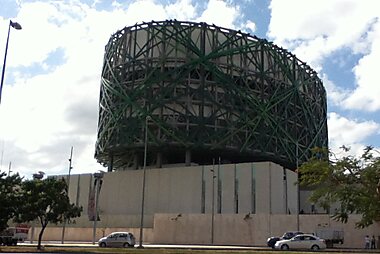
- Gran Museo del Mundo Maya is a modern museum of Maya culture, north of the centre.
- Museo Regional de Arquaeología de Yucatán shows Maya objects in a former mansion on Paseo de Montejo.
- Barrio de Santiago is a quiet old district with a small church and a park, in the west of the centre.
Featured Lists


Mérida's Parks and Recreation
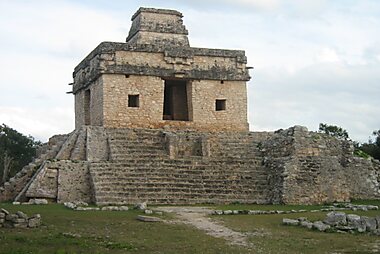
Mérida’s recreational landscape spans from the 16th-century foundations of Santa Lucía Park to the modern green spaces of the Gran Santa Fe district. Central plazas like Parque Hidalgo offer colonial history and shaded seating, while the Centenario Zoo preserves a century-old botanical collection. The list also includes the Maya archaeological site of Dzibilchaltún, known for its Temple of the Seven Dolls, alongside numerous neighborhood parks designed for local exercise and leisure.
19 placesWhat to experience
- Join the Sunday street closures for markets, live music, dance and bike rides in the centre.
- Watch a free evening show on the main square, such as folk dance or music.
- Float in a cenote in the countryside to cool off.
- Take a cooking class that focuses on Yucatán dishes.
- Visit a Maya village to see traditional crafts.
Tours & Activities
Mérida — Map

 Open the interactive map
Day trips
- Zona Arqueológica de Dzibilchaltún: about 25 minutes by car or bus. A Maya city with a small museum and a swimming cenote.
- Progreso: about 40 minutes by bus. A beach town with a long pier.
- Izamal: about 1 hour by car. A town painted yellow, with a large convent and a Maya pyramid.
- Uxmal: about 1 hour 15 minutes by car. A Maya city with a pyramid and a ball court.
- Celestún: about 1.5 hours by car. A coastal lagoon with flamingos, best from November to March.
- Chichén Itzá: about 1.5 to 2 hours by car. The most visited Maya site in Mexico. Arrive at opening.
- Valladolid: about 2 hours by car. A colonial town with cenotes nearby.
Where to explore
- Celestún for flamingos and a quiet beach town.
- Río Lagartos for pink lagoons and birdwatching on the north coast.
- Valladolid for a colonial town near Chichén Itzá.
Getting there
- By air: Mérida airport (MID) is about 15 minutes from the centre by taxi. It has flights from Mexico City, other Mexican cities and some international routes.
- By train: The Tren Maya connects Mérida with Cancún and other cities in the region.
- By bus: ADO and other coaches link Mérida with Cancún (about 4 to 5 hours), Valladolid, Campeche and Playa del Carmen. The main long-distance station is in the centre.
Getting around
- On foot: The centre is flat and walkable, but the sun is strong. Walk early or late in the day.
- Taxi: Taxis are cheap and common. Agree the fare first.
- Bus: City buses run along main roads. Tourist buses connect the centre to Paseo de Montejo and the museums.
- Calesas: Horse-drawn carriages offer short tours of the centre.
Food & drink
Yucatán cooking is different from the rest of Mexico. Try cochinita pibil (slow-cooked pork), sopa de lima (lime soup), panuchos and salbutes (fried tortillas with toppings) and poc chuc (grilled pork).
The streets around the main square and the covered market have many small places. Lunch counters outside the centre are cheaper. Several restaurants on Paseo de Montejo and in restored mansions serve modern Yucatán food.
Safety & health
Mérida is one of the safer large cities in Mexico. Take normal care at night and with bags in crowds.
- Heat is the biggest risk. Drink water and use sunscreen.
- Use licensed taxis and agree the fare first.
- Drink bottled or purified water.
- Mosquitoes are active in the rainy season.
History
The Spanish founded Mérida in 1542 on the site of a Maya city called T'ho. They used stones from the Maya temples to build the cathedral and other buildings.
Fortunes grew in the 19th century from henequen, a fibre used for rope. The boom paid for the mansions on Paseo de Montejo. Casa de Montejo was built for the Montejo family, who led the conquest of Yucatán.
Country facts
Quick practical facts for Mexico at a glance:
- Currency
- Mexican Peso MXN $ · Card payments · Widely accepted
- Emergency numbers
- 911 Police · Ambulance · Fire brigade
- Electricity
- 127 V · 60 HzType A / Type B
- Languages
- Spanish
- Tap water
- Not safe to drink
- Driving side
- Right
- Calling code
- +52


Mérida – Plan Your Days
Turn the places from this guide into a real itinerary, with smart routing, time estimates, and everything you need for a perfect trip.


Related destinations

Data: © OpenStreetMap contributors, Wikidata, Wikipedia, Tripomatic, Official websites, geoBoundaries (CC BY 4.0). Tours by GetYourGuide. We earn commission from bookings. Travel guide generated with AI.
Plan your trip with Tripomatic
- AI-Powered PlanningGet a ready-made day in one tap, let AI spread your shortlist across your trip, or plan everything by chatting.
- Travel AlertsOfficial advisories, severe weather, strikes, and natural hazards for the places on each day of your trip.
- Public Holidays & EventsSee holidays, festivals, and closures on the days of your trip, and what they mean for your plans.
- Cost EstimationAI-powered trip cost breakdowns so you know what to budget before you go.
- Tours & TicketsBook tours, skip-the-line tickets, and activities directly in your plan.