


Pico Island
Pico is the second-largest island in the Azores. Its main feature is Mount Pico, a dormant volcano. At 2,351 m, it is the highest mountain in Portugal.
The island suits slow, outdoor trips. Visitors hike to the summit, walk between lava-stone vineyards, go into a lava cave and look for whales offshore. Villages are small and spread along the coast. The vineyards are a UNESCO World Heritage Site.
Download this guide as a PDFPrintable tourist mapPublic holidays in Portugal

Pico Island – Planning a Trip?
Build your day-by-day itinerary in the Tripomatic app.


When to visit
Summer is the driest and warmest season and the best time for hiking and swimming. Winter is wet and windy. The highlands get much more rain than the coast.
Whale and dolphin watching runs from about April to October. Sperm whales live near the island all year. Blue, fin and sei whales pass in spring, and June to September has the calmest seas.
Best time to visit: June, July, August, September
Top sights

- Montanha do Pico is the highest peak in Portugal. The climb to the crater and the small summit cone takes about 3 to 4 hours up and the same down. Book the climb online in advance, and read the rules on the official Pico Mountain page.
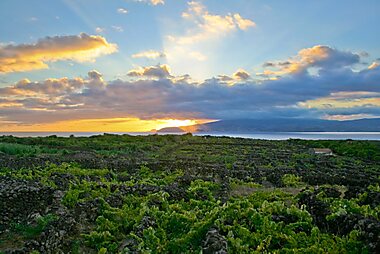
- Pico Vineyard Landscape is a UNESCO World Heritage Site. Thousands of small plots, called currais, are enclosed by black basalt walls that protect the vines from wind and sea spray. Criação Velha and Santa Luzia are the best areas to see them.
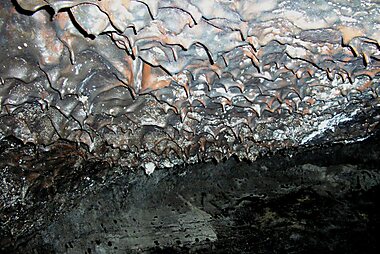
- Gruta das Torres is the longest lava cave in the Azores. Guided groups walk through the first 450 m with a helmet and a lamp.
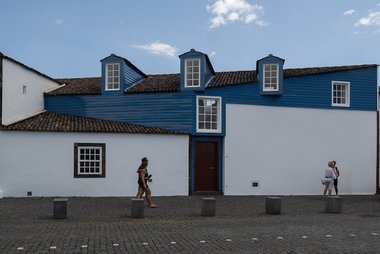
- Whalers Museum in Lajes do Pico is in old whaling-boat warehouses. It tells the story of whaling on the island from the 19th century to the 1980s.
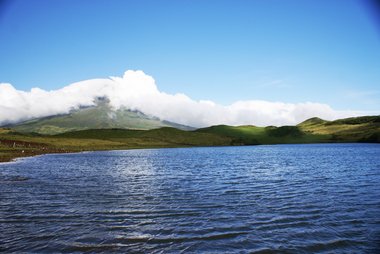
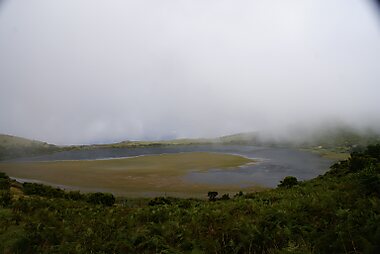
- Lagoa do Capitão is a lake in the highland pastures. It is a good place to see birds and local plants.
- Lagoa do Caiado is a small lagoon above Prainha, inside a protected area.
Featured Lists

Pico Island Essentials
Pico Island is defined by Portugal’s highest peak, the 2,351-meter Mount Pico, and its UNESCO-designated vineyard culture. This selection highlights the island's volcanic origins through the Gruta das Torres lava tubes and high-altitude crater lakes like Lagoa do Capitão. Explore the maritime history at the Whalers Museum in Lajes do Pico, or observe marine life with Espaço Talassa. Architectural landmarks include traditional red windmills and the award-winning Cella Bar, while the Museu do Vinho showcases viticulture practiced in basalt stone corrals.
10 places
Volcanic Peaks of Pico
Pico Island contains some of the most dramatic volcanic landscapes in the Azores, centered around the towering Mount Pico, Portugal's highest point at 2,351 meters. This collection highlights the island's diverse geological formations, from the historical lava fields of Cabeços do Mistério to the series of scoria cones and craters that form the central volcanic ridge. These sites illustrate the island's basaltic volcanism and complex tectonic history within the Macaronesian region.
7 places
Historic Churches of Pico
Pico Island's religious architecture reflects its deep Catholic roots and the unique Azorean Cult of the Holy Spirit. This selection features significant parish churches across the Lajes do Pico and Madalena municipalities, showcasing traditional stone masonry and local history. Included is a notable "Império," a distinctive colorful chapel central to the island's Holy Spirit festivals, providing insight into the cultural and spiritual identity of the local communities.
5 places
Natural Wonders of Pico
Pico Island's volcanic interior is defined by the Achada Plateau, a central ridge housing a series of high-altitude lakes and crater formations. Lagoa do Caiado stands as the largest, while Lagoa do Capitão provides a vantage point for Mount Pico. The landscape is shaped by basaltic flows, most notably within the Gruta das Torres, one of the longest lava tubes in the Azores. These wetlands and geological sites preserve endemic Macaronesian flora and serve as vital stopovers for migratory birds.
6 placesWhat to experience
- Go whale and dolphin watching. Tours leave from Lajes do Pico, the traditional base, and from Madalena. The season is about April to October.
- Taste local wine among the stone-walled plots near Criação Velha. The main grapes are Verdelho, Arinto and Terrantez.
- Spend a night at the crater of Mount Pico. Overnight stays are limited and need a reservation.
- Swim in the natural lava-rock pools along the coast in summer.
- Visit Casa dos Vulcões in Lajido de Santa Luzia on a cloudy day. This volcano centre has an earthquake simulator and an interactive dome about volcanoes and the Earth.
Tours & Activities
Pico Island — Map

 Open the interactive map
Day trips
Pico is close to two other islands. Both trips use a ferry, so check the timetable first.
- Faial: about 30 minutes by ferry from Madalena to Horta, with several crossings in summer. Horta has a harbour, a fort and a museum. The Capelinhos volcano, from the 1957 to 1958 eruption, and the large Caldeira crater are the main natural sights.
- São Jorge: across a channel about 20 km wide. Ferries connect Pico with Velas and Calheta. Sailings change by season. The island is known for its coastal fajãs, small flat areas at the foot of cliffs.
Where to explore
Pico is part of the central group of the Azores, together with Faial and São Jorge.
- Nearest islands: Faial and São Jorge.
- Other islands for a longer trip: Terceira and São Miguel.
Getting there
- By air: Pico Airport is on the north coast, about 8 km from Madalena. There are flights from Lisbon, Terceira and Ponta Delgada. The other option is to fly to Horta on Faial and take the ferry.
- By sea: ferries connect Madalena and São Roque do Pico with Horta on Faial and with Velas and Calheta on São Jorge. Service is reduced in winter and can stop in storms. See the timetable of Atlânticoline.
Getting around
- By car: renting a car is the most practical way to reach the trailheads, vineyards and villages. Cars can be rented in Madalena.
- On foot: distances between villages are long, and the mountain trails are steep.
Driving
- A car is worth it on Pico. Sights, trailheads and villages are far apart, and a car saves much time.
- Mountain weather can differ much from the coast. Check the forecast before driving to the highlands.
Food & drink
Pico is known for white wine. The vines grow in black lava rock close to the sea. Verdelho was the famous grape in the 19th century, when the wine was sent to northern Europe and Russia. Arinto and Terrantez are also grown.
Fishing is a main activity on the island. Eat fresh fish in the harbour towns of Madalena, São Roque do Pico and Lajes do Pico.
Safety & health
The main risk on Pico is the mountain.
- Weather on Mount Pico changes fast, and the highlands get very heavy rain. Wear suitable shoes and clothes, and carry water.
- Begin the descent from the summit at least four hours before sunset.
- Crampons are required when there is snow or ice on the trail.
- The emergency number is 112.
History
People settled on Pico in the 15th century. Franciscan monks brought the Verdelho vine, and wine became the main trade. In the 19th century a vine disease damaged the vineyards. The walls and plots in the Pico Vineyard Landscape still show how much work this took.
Sperm whale hunting was a major industry from the 19th century. It ended in the 1980s. The Whalers Museum in Lajes do Pico and the former whale factory museum in São Roque do Pico now tell this story. Today the same waters are used for whale watching.
Country facts
Quick practical facts for Portugal at a glance:
- Currency
- Euro EUR € · Card payments · Widely accepted
- Emergency numbers
- 112
- Electricity
- 230 V · 50 HzType C / Type F
- Languages
- Portuguese
- Tap water
- Safe to drink
- Driving side
- Right
- Calling code
- +351


Pico Island – Plan Your Days
Turn the places from this guide into a real itinerary, with smart routing, time estimates, and everything you need for a perfect trip.


Related destinations


Data: © OpenStreetMap contributors, Wikidata, Wikipedia, Tripomatic, Official websites. Tours by GetYourGuide. We earn commission from bookings. Travel guide generated with AI.
Plan your trip with Tripomatic
- AI-Powered PlanningGet a ready-made day in one tap, let AI spread your shortlist across your trip, or plan everything by chatting.
- Travel AlertsOfficial advisories, severe weather, strikes, and natural hazards for the places on each day of your trip.
- Public Holidays & EventsSee holidays, festivals, and closures on the days of your trip, and what they mean for your plans.
- Cost EstimationAI-powered trip cost breakdowns so you know what to budget before you go.
- Tours & TicketsBook tours, skip-the-line tickets, and activities directly in your plan.