



Portugal
Portugal is a small country on Europe's Atlantic coast, known for historic cities, beaches, and a mountainous, wine-producing interior. Its character changes quickly: the hills of Lisbon and Porto, the flat plains and cork oaks of the Alentejo, the cliffs and beaches of the Algarve, and the volcanic islands of the Azores and Madeira far out in the Atlantic. Most first-time visits combine a city or two with at least a couple of nights on the coast.
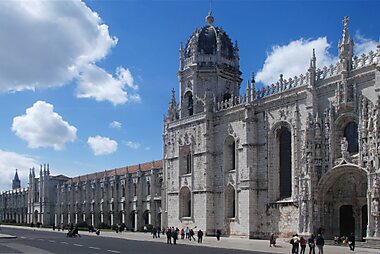
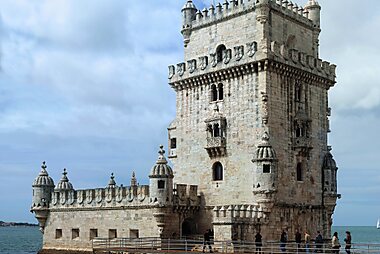
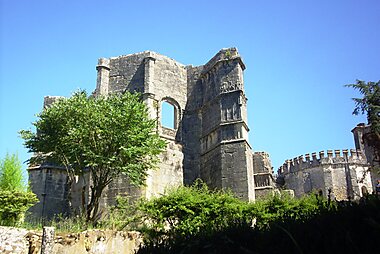
Portugal suits travelers of nearly every kind, from history and architecture lovers exploring Lisbon or Porto to surfers and beach-goers heading to the Algarve. Portugal traces its independence to the 12th century, one of the oldest nation-states in Europe, and later built a vast maritime empire during the Age of Discoveries — a history still visible in monuments across Lisbon and the coast.


Portugal – Planning a Trip?
Build your day-by-day itinerary in the Tripomatic app.


Money & payments
The euro (EUR) is the currency nationwide.
Keep some cash for small cafés, local markets, and rural guesthouses, where card payment isn't always available. ATMs (Multibanco) are common everywhere, including small towns.
Featured Lists


Natural Wonders: Waterfalls & Caves
This collection highlights geological landmarks across the Azores and the Algarve. It includes the Gruta de Benagil sea cave with its natural skylight and the Gruta das Torres, Portugal's longest lava tube. On São Miguel, thermal activity defines sites like Ponta da Ferraria’s oceanic hot springs and the iron-rich pools of Caldeira Velha. The list also features secluded waterfalls like Salto do Cagarrão and the thermally-fed Cascata da Ribeira Quente, illustrating the diverse volcanic and coastal formations of the Portuguese landscape.
8 placesTours & Activities
Portugal — Map

 Open the interactive map
 Tipping
Tipping in Portugal is modest compared to North America — most people round up or leave 5-10% at restaurants for good service, and it's appreciated rather than expected.
5-10%
round up
round up
1-2 EUR/bag
5-10%
Round up taxi fares, and leave a euro or two per bag for hotel porters. Tour guides on paid tours usually expect a small tip. Tipping is not customary at cafés, bars, or fast-food counters.
Electricity
Portugal uses Type C and F plugs at 230 V / 50 Hz, the standard across most of continental Europe. Travelers from outside Europe will need a plug adapter.
Language
Portuguese is the official language nationwide. English is widely understood in Lisbon, Porto, and the Algarve's tourist areas, but less so in small inland towns, where some Portuguese (or Spanish) phrases help.
Staying connected
Prepaid SIMs and eSIMs are cheap and easy to find from Vodafone, MEO, or NOS at the airport or any phone shop; a passport is required to register a Portuguese SIM. Coverage is strong nationwide, including on most hiking trails and along the coast, though it can thin out in remote parts of the interior and on some smaller Azores islands.
Safety & emergencies
Portugal is one of the safer countries in Europe for tourists, and violent crime against visitors is rare. Pickpocketing and bag-snatching happen in crowded tourist areas of Lisbon and Porto, including on trams, funiculars, and busy squares, and at Algarve beach resorts — keep valuables close. Wildfires are a real risk in the dry summer months, especially in forested inland areas; follow local warnings and avoid lighting fires outdoors during fire season.
Health
Tap water is safe to drink throughout mainland Portugal, Madeira, and the Azores. Pharmacies (farmácias, marked with a green cross) are common and well-stocked, with a rotating night and weekend pharmacy in most towns. No special vaccinations are required to enter Portugal. EU/EEA and Swiss citizens can use the European Health Insurance Card (EHIC) for public healthcare; everyone else should carry travel medical insurance, since Portugal's public system does not cover non-residents for free.
Visas & entry
Portugal is part of the Schengen Area. Citizens of the EU, EEA, and Switzerland can enter freely with no time limit. Visa-exempt travelers from many other countries, including the UK, US, Canada, Australia, and Japan, can stay up to 90 days in any 180-day period without a visa. Travelers who need a visa should apply at a Portuguese embassy or consulate before traveling.
Visa and entry requirements change frequently. Verify current requirements with the official immigration authority or your country's embassy before travel.
Etiquette
Portuguese people are generally warm and informal, though greetings matter — a handshake, or two kisses on the cheek between women or between a man and a woman — so wait for the other person's cue. Meals are unhurried; it's normal to ask for the bill explicitly, since it won't be brought automatically.
Dress modestly when visiting churches and monasteries, covering shoulders and knees. Lunch typically runs from around 12:30 to 15:00 and dinner from 19:30 onward, later than in much of northern Europe.
Holidays & opening hours
Public holidays are a mix of national religious and civic dates. Most shops and restaurants in tourist areas stay open, though smaller family-run businesses and many attractions close, especially on 25 December and 1 January.
Standard shop hours run roughly 9:00 or 10:00 to 19:00 on weekdays and Saturday mornings, with many smaller shops closed on Sundays and some closing for an hour at lunch outside the big cities.
Getting around
- By train: CP (Comboios de Portugal) connects Lisbon, Porto, Coimbra, Braga, and the Algarve with fast, comfortable intercity and regional trains — a good way to skip driving between major cities.
- By bus: long-distance coach operators (Rede Expressos, FlixBus) cover towns the rail network misses, including much of the Alentejo and the interior.
- By air: domestic flights connect the mainland to Madeira and the Azores; flying is the only practical way to reach the islands quickly.
Driving
- Speed limits: 50 km/h in cities and towns, 90 km/h on rural roads, and 120 km/h on motorways.
- Tolls: many motorways charge tolls, and some stretches are electronic-only with no ticket booth — ask your rental company how to settle these before you drive, since an unpaid electronic toll can otherwise turn into a fine.
- Parking: metered street parking (marked by blue lines) is common in cities; paid parking garages are widely available in Lisbon and Porto.
- Fuel: nearly all stations are self-service and pay-at-pump by card. Fuel is sold as "gasolina" (petrol) and "gasóleo" (diesel).
- Electric vehicles: charging points are common in cities and along the motorway network, but coverage thins out in rural inland areas.
Food & drink
Breakfast is light — coffee and a pastry — while lunch, often the main meal of the day, and dinner both center on fish or meat with rice, potatoes, or bread. Portugal's coastline shapes its food: bacalhau (salt cod, prepared in countless ways) is the national dish, alongside fresh grilled sardines, octopus, and other seafood. Inland, hearty stews, cured meats, and grilled pork are more common.
Pastéis de nata (custard tarts) are Portugal's best-known sweet, best eaten warm with cinnamon and sugar. Coffee culture is strong — a small espresso is an all-day habit. Portugal is also a major wine producer: try vinho verde, a young, slightly sparkling white from the north, red wines from the Douro and Alentejo, and Port wine, the fortified wine that takes its name from Porto.
Where to explore
Portugal's most-visited destinations are spread from the coast to the interior.
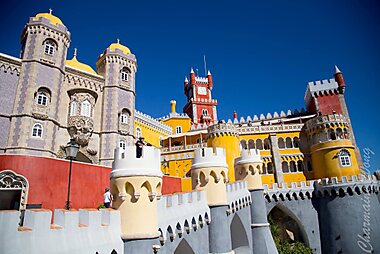
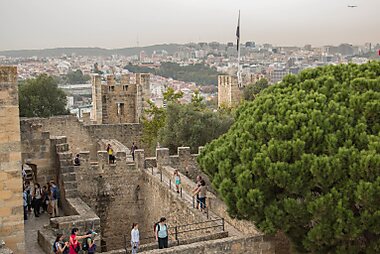
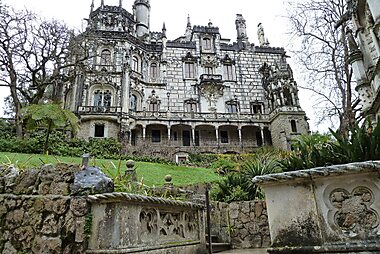
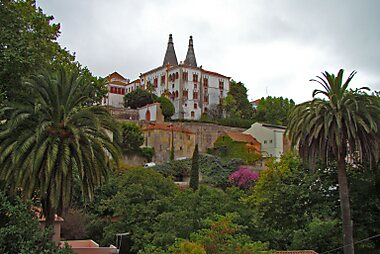
Lisbon and around: Lisbon, the capital, mixes hilltop viewpoints, historic trams, and riverside monuments. Just west, the palace-studded hills of Sintra make for an easy day trip, and the walled hilltop town of Obidos is a popular stop further north.
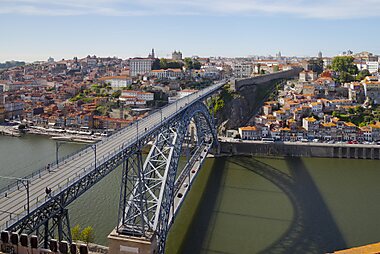
The north: Porto is known for its riverside old town and Port wine cellars, while nearby Braga is one of Portugal's oldest cities and a center of religious architecture.
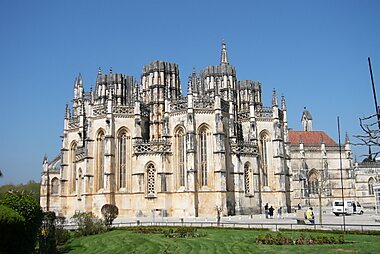
Central Portugal: Coimbra, home to one of Europe's oldest universities, anchors a region also known for its cluster of UNESCO-listed monasteries.
The south and islands: Evora is the historic heart of the Alentejo's plains and vineyards, Portimao is a good base for the Algarve's cliffside beaches, and Funchal on the island of Madeira offers a subtropical climate and mountain scenery year-round. Further out in the Atlantic, the nine volcanic islands of the Azores draw hikers and whale-watchers to a much quieter, greener landscape.
Portugal – Plan Your Trip
Pick the places you want to see and Tripomatic turns them into a day-by-day route, with smart routing, time estimates, and everything you need for a perfect trip.




