


Portimão
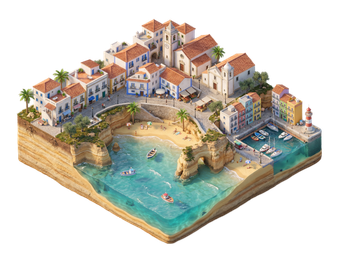
Portimão is a working city at the mouth of the Arade river. It is one of the main bases on the western Algarve, with a large marina, a riverfront promenade and a good choice of restaurants. The old centre is compact and local, and it is not only a resort.
Most visitors stay for Praia da Rocha, the long beach with golden cliffs just south of the city. The trip suits beach holidays, families and people who want a base with good bus and train links. Ferragudo, Lagos, Silves and the Monchique hills are all close.

Portimão – Planning a Trip?
Build your day-by-day itinerary in the Tripomatic app.


When to visit
Late spring and early autumn are the best times. The days are warm and sunny, and the beaches are easier to enjoy. July and August are hot, dry and busy. Winter is mild but has regular rain, and the Atlantic stays cool for most of the year.
In early August, the Sardine Festival fills the Arade riverfront with grilled fish and concerts. Book rooms well ahead if you plan to visit then.
Best time to visit: April, May, June, July, August, September, October, November
Top sights
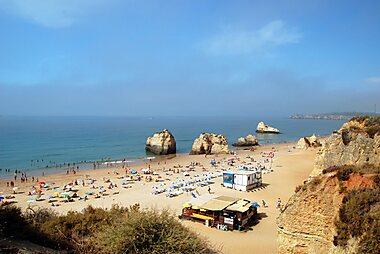
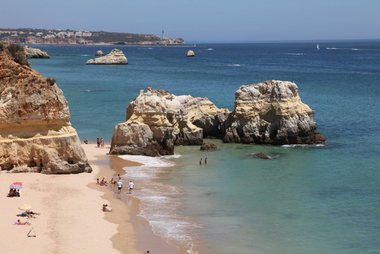
- Praia da Rocha is the city's main beach. It has wide sand and golden cliffs. The quarter behind it has bars, restaurants and hotels.
- Praia dos Três Castelos lies at the western end of the beach. Wind and sea have carved the limestone into arches and rock stacks.
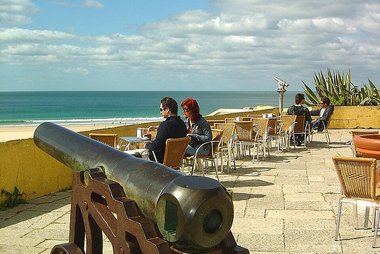
- Forte de Santa Catarina is a 17th-century fort on the cliffs at the eastern end of the beach. It was built to guard the river mouth. Today it is a lookout with sea views.
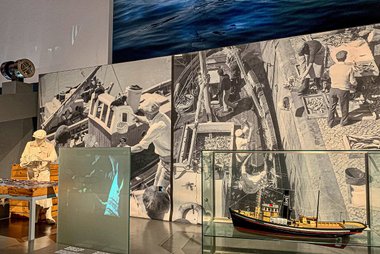
- Museu de Portimão is in a former sardine cannery on the riverfront. It tells the story of the city, from prehistory to the fishing and canning industry. Entry is about 3 €, and it is closed on Mondays.
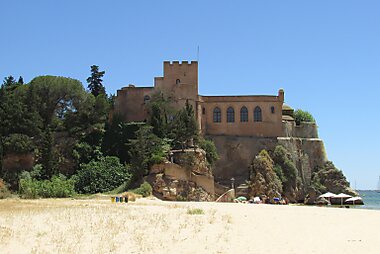
- Castelo de São João de Arade stands above Ferragudo, on the opposite bank of the river mouth. It is a 17th-century fort and is privately owned. Enjoy it from the outside, from the river or from the village.
- Praia Grande (Ferragudo) is a wide beach at the mouth of the Arade, next to Ferragudo. It is a good second choice for a beach day.
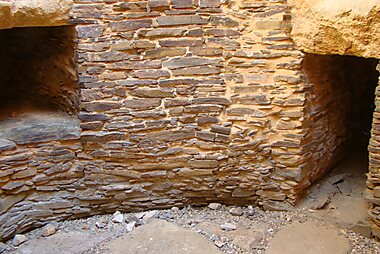
- Monumentos Megalíticos de Alcalar is a group of prehistoric burial monuments inland. A small visitor centre explains the site. It is open Tuesday to Saturday.
Featured Lists


What to experience
- Eat grilled sardines at the Sardine Festival on the Arade riverfront. It takes place each August, and the first edition was in 1985.
- Take a boat trip from the marina or the river. Short trips run along the coast and up the Arade.
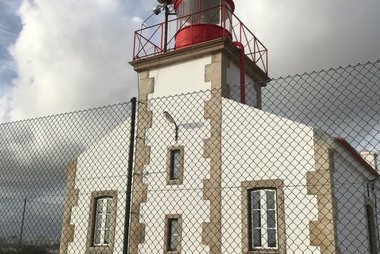
- Cross to Ferragudo by taxi boat, then walk to the lighthouse at Farol da Ponta do Altar. A signposted route of about 9 km (round trip) passes small beaches and cliffs.
- Watch the sunset from the cliffs at Praia da Rocha, then stay for dinner in the beach quarter.
- Check the calendar of the Autódromo Internacional do Algarve, which hosts motorsport events.
Tours & Activities
Portimão — Map

 Open the interactive map
Day trips
Portimão is a good base for the western Algarve. These places are all easy day trips.
- Lagos: a historic seaside town with cliffs and sea caves. Direct trains take about 15 to 20 minutes.
- Silves: an old river town with a red castle. It is about 20 minutes by car.
- Monchique: a green hill town with cool air and views to the coast. It is about 25 minutes by car, or about 45 minutes by bus.
- Sagres: the south-western tip of Portugal, with big cliffs and a fortress. It is about 50 minutes by car.
Where to explore
Other places in the area, going west and east along the coast:
- West: Lagos and Sagres for cliffs, beaches and the far south-west.
- Nearby: Carvoeiro for a small resort town with coves, and Alvor and Ferragudo for two fishing villages close to Portimão.
- Inland: Silves and Monchique for castle, hills and cooler air.
- East: Albufeira for a larger, livelier resort town.
Getting there
- By air: Faro Airport (FAO) is the gateway, about 50 km east. Buses to Portimão take about 1 hour 15 minutes to 1 hour 40 minutes. A transfer or taxi is usually faster, at about 50 minutes to 1 hour.
- By train: Trains from Faro take about 1 hour 15 minutes. Faro station is in town, not at the airport. From Lisbon, the trip takes about 3.5 to 4 hours, with one change. Portimão station is on the northern side of the centre. Buy tickets on CP Comboios de Portugal.
- By bus: Long-distance coaches from Lisbon and other Portuguese cities arrive at the Portimão bus terminal. Coaches also connect Portimão with Faro and the airport.
Getting around
- City buses: The Vai e Vem network serves the centre, Praia da Rocha and the nearby beaches. Buy tickets in the Vamus Algarve app or on the bus, and check the current fares and passes on the Vamus site. See Vamus Algarve for routes and tickets.
- Ferragudo: Local buses link Ferragudo with Portimão, and small boats cross between Ferragudo and the Portimão riverfront. Check times locally, because they change by season.
- Taxi: There are taxi ranks in the centre. Taxis use meters.
- On foot: The centre and riverfront are flat and walkable. Praia da Rocha is about 3 km from the old town, so most visitors take a bus.
Driving
- Is a car worth it? For the city and Praia da Rocha, no: buses, taxis and your feet are enough. A car helps for the inland sights and for beaches away from the bus lines.
- Roads: The A22 motorway along the coast is toll-free. The A2 from Lisbon is tolled.
- Parking: Parking is hardest at Praia da Rocha in July and August. Leave the car in the city and take the bus.
Food & drink
Grilled sardines are the local signature, especially in summer. Grilled fish and seafood rice are common on menus.
The Arade riverfront has fish restaurants. Ferragudo's small harbour is lined with fish restaurants too. In Praia da Rocha, the beach quarter has most of the bars and late dining.
Safety & health
Portimão is generally safe. Petty theft is the main risk, especially on crowded beaches and in the beach quarter at night. Do not leave valuables in a parked car.
Atlantic beaches can have strong waves and currents. Follow the flag colours and swim where lifeguards are on duty. Stay away from the edge of the cliffs and from cliff bases, because rock falls can happen.
History
The mouth of the Arade has been a natural harbour for thousands of years. Phoenicians, Greeks and Carthaginians all used it. Knights of the Order of Santiago took the town from the Moors in 1249.
The earthquake and tsunami of 1755 destroyed the main church and damaged the town walls. The 17th-century church Igreja da Nossa Senhora da Conceição stands on the highest point of the old centre. Forte de Santa Catarina was built to protect the river mouth from pirates and was rebuilt in the 1790s.
In the 19th century, fish canning brought new life to the town. The industry declined in the 1980s, and the old cannery now houses Museu de Portimão. Tourism grew mainly in the late 20th century, though Praia da Rocha had a casino as early as 1910.
Country facts
Quick practical facts for Portugal at a glance:
- Currency
- Euro EUR € · Card payments · Widely accepted
- Emergency numbers
- 112
- Electricity
- 230 V · 50 HzType C / Type F
- Languages
- Portuguese
- Tap water
- Safe to drink
- Driving side
- Right
- Calling code
- +351


Portimão – Plan Your Days
Turn the places from this guide into a real itinerary, with smart routing, time estimates, and everything you need for a perfect trip.


Related destinations
Data: © OpenStreetMap contributors, Wikidata, Wikipedia, Tripomatic, Official websites. Tours by GetYourGuide. We earn commission from bookings. Travel guide generated with AI.
Plan your trip with Tripomatic
- AI-Powered PlanningGet a ready-made day in one tap, let AI spread your shortlist across your trip, or plan everything by chatting.
- Travel AlertsOfficial advisories, severe weather, strikes, and natural hazards for the places on each day of your trip.
- Public Holidays & EventsSee holidays, festivals, and closures on the days of your trip, and what they mean for your plans.
- Cost EstimationAI-powered trip cost breakdowns so you know what to budget before you go.
- Tours & TicketsBook tours, skip-the-line tickets, and activities directly in your plan.