


Puebla
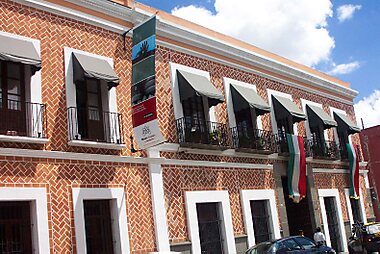
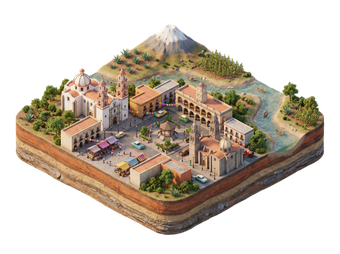
Puebla is a large colonial city between Mexico City and the Gulf coast, in view of the Popocatépetl volcano. It is known for baroque churches, tile-covered buildings, Talavera pottery and for dishes such as mole poblano. The historic centre is a World Heritage Site.
It suits a two to three night stay, or a long day trip from Mexico City. The centre is compact and walkable, with museums, markets and many restaurants.
Download this guide as a PDFPrintable tourist mapPublic holidays in Mexico

Puebla – Planning a Trip?
Build your day-by-day itinerary in the Tripomatic app.


When to visit
The city is at about 2,100 m. Spring and autumn are mild. Summer brings afternoon rain, and winter nights are cool.
Chiles en nogada are served in August and September, which is a good reason to visit. The Battle of Puebla on 5 May is a local holiday with parades.
Best time to visit: January, February, March, April, November, December
Top sights
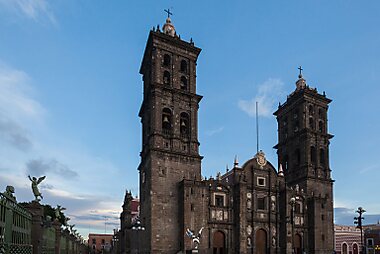
- Catedral Basílica de Puebla is a huge cathedral from the 16th and 17th centuries with the tallest towers in Mexico.
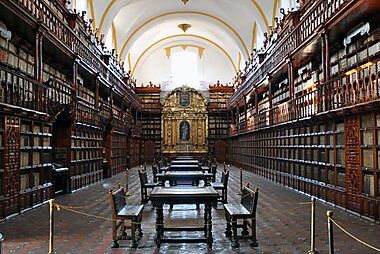
- Biblioteca Palafoxiana is the oldest library in the Americas, with thousands of old books in carved wood shelves.
- Museo Amparo shows pre-Hispanic and modern Mexican art in a restored colonial building.
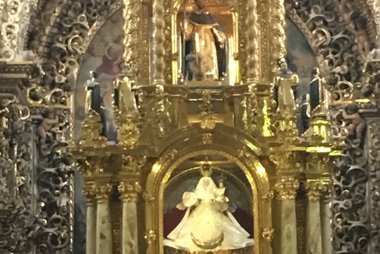
- Capilla del Rosario is a chapel inside the Santo Domingo church. Its gold-covered walls are the best baroque interior in the city.
- El Barrio del Artista is a small district where artists work and sell paintings and crafts.
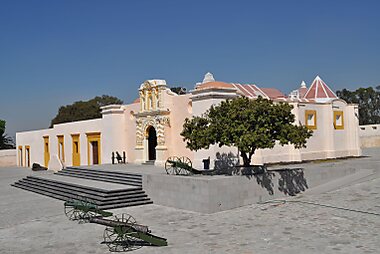
- Fuerte de Loreto is a hilltop fort where Mexican troops defeated a French army in 1862. It has a museum and city views.
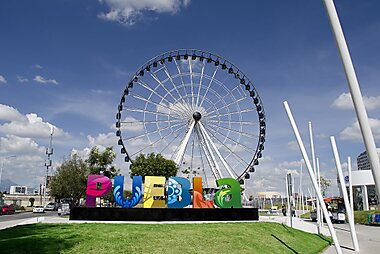
- La Estrella de Puebla is a large Ferris wheel with views over the city and the volcanoes.
- Templo de San Cristóbal is a small church on the Paseo de San Francisco, near the artists' district.
Featured Lists


Parks and Gardens
Puebla offers a diverse range of green spaces, from the historic Zona de los Fuertes, site of the 1862 battle against the French, to the unique Cuexcomate, an inactive geyser known as the world's smallest volcano. Visitors can explore miniature world landmarks at Paseo de Gigantes, visit the large aviary at Parque Ecológico, or access panoramic city views via the cable car at Paseo del Teleférico. These parks combine military history, geological oddities, and modern recreational facilities.
10 placesWhat to experience
- Watch a Talavera pottery workshop and buy tiles or plates.
- Try a candy tasting on Calle de los Dulces, a street of sweet shops.
- Ride the Ferris wheel in the evening for views of the volcanoes.
- Join a cooking class that teaches mole poblano.
Tours & Activities
Puebla — Map

 Open the interactive map
Day trips
- Cholula: about 20 minutes by car or bus. A pyramid with a church on top and a view of the volcanoes.
- Atlixco: about 45 minutes by car. A flower town at the foot of a mountain.
- Tlaxcala: about 40 minutes by car. A small city with colourful frescoes and a historic centre.
- Mexico City: about 2 hours by bus. Mexico's capital.
Where to explore
- Cholula for the largest pyramid base in the world.
- Tlaxcala for a smaller historic city nearby.
- Mexico City for Mexico's capital.
Getting there
- By air: Puebla has a small airport (PBC) with limited flights. Most visitors fly to Mexico City and take a direct ADO bus from the airport to Puebla, about 2 hours.
- By bus: The main bus station (CAPU) is northwest of the centre. Coaches run to Mexico City, Oaxaca (about 4.5 hours) and Veracruz.
Getting around
- On foot: The historic centre is flat and compact. Most sights are within a 20-minute walk.
- Taxi: Taxis are cheap. Agree the fare first.
- Local buses: City buses serve outer areas. A tourist bus or the tram-style tour train goes around the centre.
Food & drink
Puebla is known for mole poblano, chiles en nogada (served in August and September), cemitas (sesame rolls with meat and cheese) and tacos árabes. Sweets include camote (sweet potato candy).
Look for small family restaurants in the streets around the Zócalo and Calle 6 Oriente. Several markets near the centre sell cemitas and tacos at low prices.
Safety & health
The historic centre is generally safe and well policed. Take usual care with bags and phones at night.
- The city is at 2,100 m. Drink water and take it easy on the first day.
- Popocatépetl is an active volcano. Ash can fall in the city. Follow local news if you plan hikes nearby.
- Drink purified or bottled water.
History
The Spanish founded Puebla in 1531 as a Spanish city on the road to Mexico City. It grew rich on pottery, textiles and the church.
On 5 May 1862 Mexican troops beat a French army at Fuerte de Loreto. The date is still celebrated across Mexico and the US as Cinco de Mayo.
Country facts
Quick practical facts for Mexico at a glance:
- Currency
- Mexican Peso MXN $ · Card payments · Widely accepted
- Emergency numbers
- 911 Police · Ambulance · Fire brigade
- Electricity
- 127 V · 60 HzType A / Type B
- Languages
- Spanish
- Tap water
- Not safe to drink
- Driving side
- Right
- Calling code
- +52


Puebla – Plan Your Days
Turn the places from this guide into a real itinerary, with smart routing, time estimates, and everything you need for a perfect trip.


Related destinations


Data: © OpenStreetMap contributors, Wikidata, Wikipedia, Tripomatic, Official websites. Tours by GetYourGuide. We earn commission from bookings. Travel guide generated with AI.
Plan your trip with Tripomatic
- AI-Powered PlanningGet a ready-made day in one tap, let AI spread your shortlist across your trip, or plan everything by chatting.
- Travel AlertsOfficial advisories, severe weather, strikes, and natural hazards for the places on each day of your trip.
- Public Holidays & EventsSee holidays, festivals, and closures on the days of your trip, and what they mean for your plans.
- Cost EstimationAI-powered trip cost breakdowns so you know what to budget before you go.
- Tours & TicketsBook tours, skip-the-line tickets, and activities directly in your plan.