


Amarante
Amarante is a small town on the Tâmega river in northern Portugal, about 40 minutes by car east of Porto. Its old stone bridge, the church and former monastery of São Gonçalo, and the riverside streets make a compact and photogenic centre.
The town is known for its local saint and for its unusual phallic sweets, which are part of the June festival. It lies on the western side of the Serra do Marão and in the Vinho Verde wine region, so it suits a day trip from Porto or a quiet stay with walks, cycling and wine.

Amarante – Planning a Trip?
Build your day-by-day itinerary in the Tripomatic app.


When to visit
Late spring and early summer are the best time: days are warm and the weather is mostly dry. July and August can be very hot. Autumn and winter are mild but wet.
The main event is O Junho, the festival of São Gonçalo, on the first weekend of June. It brings drum parades, folk groups, a procession and fireworks. Book rooms early for that weekend.
Best time to visit: May, June
Top sights
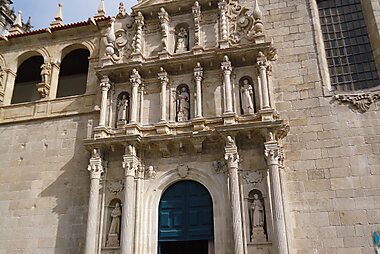
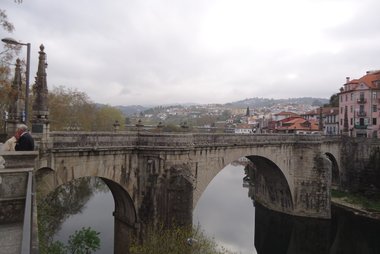
- Ponte de São Gonçalo is the symbol of the town. The stone bridge over the Tâmega was built in 1790, after a flood destroyed the older bridge in 1763. In 1809 Portuguese troops held it against French forces during the Peninsular War.
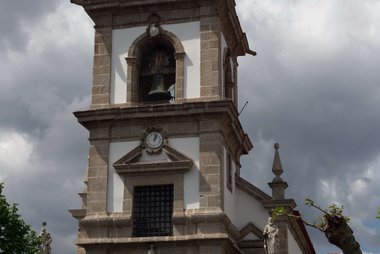
- Igreja de São Gonçalo honours Saint Gonçalo, the local saint. It stands beside the river and next to the old monastery buildings.
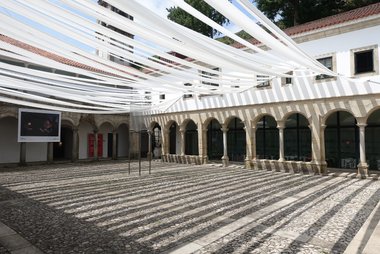
- Museu Amadeo de Souza-Cardoso is in the former monastery of São Gonçalo. It is named after the modernist painter Amadeo de Souza-Cardoso (1887–1918).
- Igreja de São Pedro is one of several smaller churches within a short walk of the bridge.
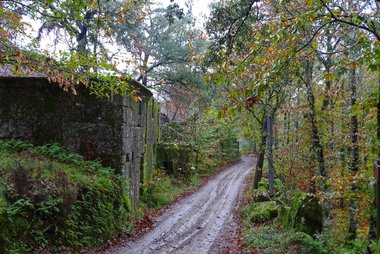
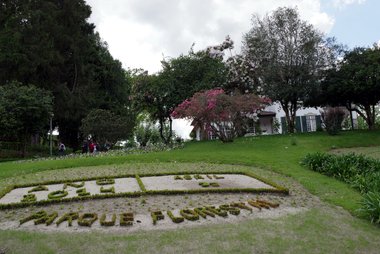
- Parque Florestal de Amarante is a forest park near the centre. It is a quiet place for a short walk.
- Ecopista do Tâmega is a walking and cycling path on the old railway line. It runs about 39 km north of the town to Arco de Baúlhe, through vineyards and villages.
What to experience
- Join O Junho, the São Gonçalo festival, on the first weekend of June. Expect drum groups in the streets, folk dancing, a procession for the saint and fireworks.
- Visit on 10 January, another feast day for São Gonçalo, when the town's traditional sweets are given as gifts.
- Cycle or walk part of the Ecopista do Tâmega through vineyards and villages. Ride out and return the same way.
Tours & Activities
Amarante — Map

 Open the interactive map
Day trips
Amarante is a good base for day trips. Travel times are one way and approximate.
- Vila Real: about 30 minutes by car or bus. A historic town at the foot of the Marão range.
- Guimarães: about 45 minutes by car. Famous for its medieval centre, which is a UNESCO World Heritage site.
- Lamego: about 50 minutes by car. A hill town with a large baroque pilgrimage stairway and sparkling wine.
- Porto: about 1 hour by direct bus. Good for a full day in a big city.
Getting there
- By air: the nearest major airport is Porto (OPO). From the airport, continue by rental car, or go to Porto city and take a bus.
- By bus: direct buses run from Porto to the bus station in Amarante, which is south of the river and served mainly by Rodonorte. The trip takes about 1 hour.
- By train: there is no train to Amarante. The Tâmega railway line closed in 2009.
- By car: the A4 motorway passes next to the town. Porto is about 45 minutes away.
Getting around
- On foot: the old centre and the main sights are close together and easy to cover on foot.
- By bike: the Tâmega Ecopista is a long, mostly traffic-free path for walking and cycling that runs north from the town.
- For visitor and event information, see Câmara Municipal de Amarante.
Driving
- A car is not needed for the town itself, which is best on foot. It is useful for villages, wine estates and the Marão range.
- Tolls: the A4 through the Marão Tunnel towards Vila Real has been toll-free since 1 January 2025. Other motorways, including the approach from Porto, may still charge tolls, so check your route.
Food & drink
Amarante is famous for its doces fálicos, also called bolos de São Gonçalo. These phallic cakes are sold in local bakeries all year and are especially popular around the saint's festivals. Tradition says they are given to single people as a sign of good luck.
Amarante is one of the nine Vinho Verde sub-regions, so look for local Vinho Verde on menus. Restaurants and cafés cluster in the streets around the bridge and along the river.
Safety & health
Amarante is a small town and feels calm for visitors. Petty theft is uncommon, but keep bags closed and valuables out of sight in crowds, especially during the June festival.
Tap water is safe to drink. Emergency number: 112.
History
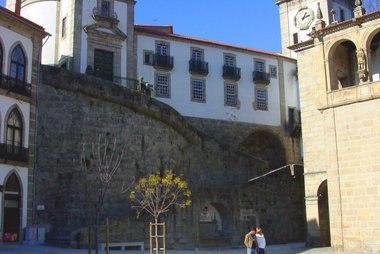
The church of São Gonçalo existed by 1279. In the 16th century King John III enlarged it and built a large Dominican monastery around it. Today Igreja de São Gonçalo and Museu Amadeo de Souza-Cardoso occupy these buildings.
The medieval bridge over the Tâmega was destroyed by a flood in 1763. The present Ponte de São Gonçalo dates from 1790. In 1809 French forces under Soult tried to cross it during the Peninsular War. Portuguese troops under Francisco da Silveira held the bridge for about two weeks. The town's coat of arms carries the Order of the Tower and Sword for this resistance.
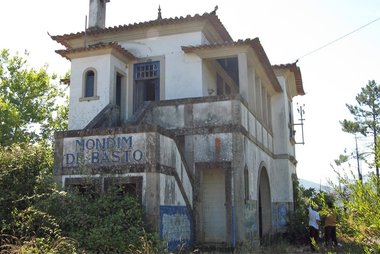
A railway line, the Tâmega line, served the town from 1909 until its last section closed in 2009. Part of its route is now the Ecopista.
Country facts
Quick practical facts for Portugal at a glance:
- Currency
- Euro EUR € · Card payments · Widely accepted
- Emergency numbers
- 112
- Electricity
- 230 V · 50 HzType C / Type F
- Languages
- Portuguese
- Tap water
- Safe to drink
- Driving side
- Right
- Calling code
- +351


Amarante – Add to Your Trip
Create a detailed travel itinerary with smart routing, time estimates, and everything you need for a perfect trip.


Related destinations


Data: © OpenStreetMap contributors, Wikipedia, Tripomatic, Official websites, geoBoundaries (CC BY 4.0). Tours by GetYourGuide. We earn commission from bookings. Travel guide generated with AI.
Plan your trip with Tripomatic
- AI-Powered PlanningGet a ready-made day in one tap, let AI spread your shortlist across your trip, or plan everything by chatting.
- Travel AlertsOfficial advisories, severe weather, strikes, and natural hazards for the places on each day of your trip.
- Public Holidays & EventsSee holidays, festivals, and closures on the days of your trip, and what they mean for your plans.
- Cost EstimationAI-powered trip cost breakdowns so you know what to budget before you go.
- Tours & TicketsBook tours, skip-the-line tickets, and activities directly in your plan.