



Bulgaria
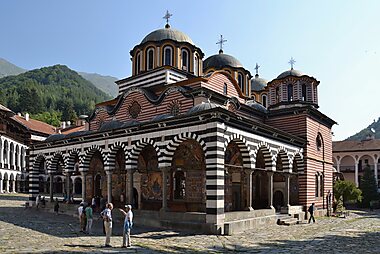
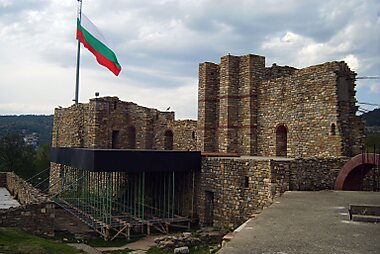
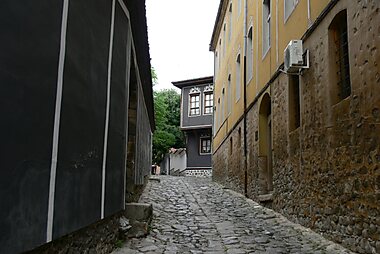
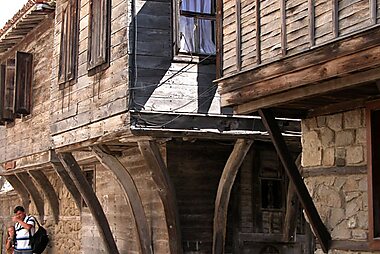
Bulgaria fits mountains, Black Sea coast, and thousands of years of history into one of Europe's most affordable countries. Sofia, the capital, sits at the foot of Vitosha and mixes Roman ruins with the golden domes of Alexander Nevsky Cathedral. Inland, Plovdiv's old town rises over a restored Ancient Theatre of Philippopolis, and Tsarevets rises above Veliko Tarnovo, Bulgaria's medieval capital. The Black Sea coast adds beach resorts and walled old towns like Nesebar Ancient City, while the Rila and Pirin mountains hold Orthodox monasteries such as Rila Monastery, hiking trails, and ski resorts.
Bulgaria suits travelers who want variety on a modest budget: Orthodox history, hiking and skiing, and seaside relaxation, all within a few hours' drive of each other. The country has used the same name since it was founded in 681, one of the oldest unbroken state names in Europe. It is a full Schengen member and switched to the euro in 2026, which makes border crossings and payments simple for visitors arriving from elsewhere in the EU.



Bulgaria – Planning a Trip?
Build your day-by-day itinerary in the Tripomatic app.


Money & payments
Bulgaria uses the euro, which it adopted on 1 January 2026 after decades using the Bulgarian lev.
ATMs are common in every city and most towns, and card payments work almost everywhere in Sofia, Plovdiv, Varna, and the coastal resorts. Carry small cash amounts for rural villages, local minibuses, and some small guesthouses, where card readers are less common. Bulgaria remains one of the cheapest countries in the EU for food, transport, and accommodation.
Featured Lists


Historic Monasteries & Churches
Bulgaria’s spiritual landscape features a blend of Eastern Orthodox monasteries and Ottoman-era landmarks. This collection includes the UNESCO-listed Rila Monastery and the medieval rock-hewn churches of Ivanovo, known for their 14th-century frescoes. Significant sites from the Second Bulgarian Empire in Veliko Tarnovo sit alongside the 14th-century Djumaya Mosque in Plovdiv and the 16th-century Alevi mausoleum, Demir Baba Teke. These sites showcase diverse architectural styles, from Byzantine-influenced stone masonry to intricate wood carvings and defensive fortifications.
18 places


Tours & Activities
Bulgaria — Map

 Open the interactive map
 Tipping
Tipping in Bulgaria is appreciated but not obligatory. In restaurants, round up the bill or add about 10% for good service; card machines rarely have a built-in tip prompt, so leave cash or tell the server the total you want to pay. Taxi drivers expect a small round-up rather than a percentage. Tour guides and hotel staff welcome a few euros for good service, and tipping in bars is unusual.
round up or ~10%
round up
a few euros for good service
5-10%
Electricity
Bulgaria uses Type C and F plugs at 230 V / 50 Hz — standard European two-pin sockets. Most phone, camera, and laptop chargers already handle this voltage, so only travelers from outside continental Europe need an adapter.
Language
Bulgarian is the official language, written in Cyrillic. Street signs and metro stops in Sofia and other tourist areas usually have Latin transliteration alongside Cyrillic, but menus and shop signs often do not, so recognizing a few Cyrillic letters helps with reading names and prices. English is common in hotels, restaurants, and shops in Sofia, Plovdiv, and the Black Sea resorts, and less common in villages and among older residents.
Staying connected
If you have an EU or EEA mobile plan, it works in Bulgaria at no extra cost under EU roaming rules. Visitors from outside the EU can buy a prepaid SIM from A1, Vivacom, or Yettel at the airport or any city phone shop; bring your passport for registration. Coverage is reliable in cities and along the coast, with some gaps in remote mountain areas.
Safety & emergencies
Bulgaria is a safe country for tourists, with violent crime against visitors rare. The most common issues are pickpocketing on crowded transport and in tourist areas of Sofia, Plovdiv, and Black Sea resorts, plus occasional taxi overcharging for airport transfers — agree on a fare or use a metered or app-based taxi before you get in. Nightlife areas in resort towns can get rowdy in peak summer; keep an eye on drinks and belongings. The single emergency number 112 reaches police, ambulance, and fire across the country and is answered in English.
Health
Tap water is generally safe to drink in Sofia and other major cities; in small villages, or if in doubt, bottled water is cheap and widely available. Pharmacies, marked "Аптека," are common in cities and larger towns, and pharmacists often speak some English; look for a green cross sign. Late-night and 24-hour pharmacies operate on a rotation in larger cities. No special vaccinations are required for Bulgaria beyond routine immunizations; hikers spending time in forested areas in spring or summer should check for ticks afterward.
Visas & entry
Bulgaria is a full member of the Schengen area and the European Union. Citizens of EU and EEA countries can enter with a valid ID card or passport and stay indefinitely. Citizens of the United States, United Kingdom, Canada, Australia, and many other countries can enter visa-free for stays of up to 90 days within a 180-day period, the same rule that applies across the rest of the Schengen area. Travelers who need a visa can apply for a Schengen visa through a Bulgarian embassy or consulate before travel.
Visa and entry requirements change frequently. Verify current requirements with the official immigration authority or your country's embassy before travel.
Etiquette
Bulgarians nod their head for "no" and shake it side to side for "yes" — the reverse of most other countries. Listen for a spoken да (yes) or не (no) alongside the gesture to avoid confusion. Dress modestly when visiting monasteries and churches: cover shoulders and knees, and women may be asked to cover their hair in some Orthodox churches. Greetings are usually a handshake; close friends may exchange cheek kisses. Bargaining is not common in shops or restaurants, though it is sometimes accepted at outdoor markets for handmade goods. Photography is generally welcome, but ask before photographing people directly, especially in villages and at religious sites during services.
Holidays & opening hours
Public holidays can close banks, offices, and many shops, especially over Christmas, New Year, and Easter, which follows the Orthodox calendar and can fall later than in Western Europe. Transport and tourist services keep running on most holidays, but expect reduced schedules. Shops in cities are generally open daily including Sunday, though smaller shops and services may close on Sunday afternoons or take a longer midday break in smaller towns.
Getting around
- By train: Bulgarian State Railways (BDZ) connects major cities, including Sofia, Plovdiv, Varna, and Burgas, but journeys are slow compared with Western Europe; book tickets through BDZ.
- By bus: Intercity buses are faster than trains on most routes and reach towns that trains don't, including Veliko Tarnovo and Bansko.
- By air: Domestic flights are rare and rarely worth it, since Bulgaria is small enough to cross by road or rail in a few hours.
- By car: Renting a car is the easiest way to combine cities, mountains, and the coast in one trip; see the driving section below.
Sofia has a small metro system and a dense bus and tram network. Single tickets are sold at kiosks and validated on board, and some vehicles accept contactless card payment directly.
Driving
- Speed limits: 50 km/h in towns, 90 km/h on rural roads, and up to 140 km/h on the newest motorway sections — among the highest motorway limits in the EU.
- Key rules: Winter tires or snow chains can be required in poor conditions between November and March. The blood alcohol limit is 0.5 ‰, lower than in many Western countries.
- Tolls and vignettes: An electronic vignette ("vinetka") is required on motorways and most national roads for vehicles up to 3.5 tonnes. Buy it online before you drive at BGTOLL, at border crossings, or at petrol stations; a weekly pass covers a typical short visit.
- Parking: Paid parking zones operate in city centers, usually pay-by-app or by meter; free parking is common outside the centers.
- Fuel: Stations are self-service and take cards, though rural stations may be cash-only. Petrol is labeled А95Н or А98Н (A95/A98) and diesel as Дизел.
- Electric vehicles: Charging points are concentrated in Sofia, Plovdiv, and along the coast and motorways; coverage is thinner in rural mountain areas, so plan charging stops on longer road trips.
Food & drink
Bulgarian meals lean on fresh vegetables, dairy, and grilled meat. Breakfast is often banitsa, a flaky pastry filled with cheese and eggs, eaten on the go with yogurt or ayran, a salted yogurt drink. Lunch and dinner usually start with a salad — shopska salad, made of tomatoes, cucumbers, peppers, and grated white cheese, is the best known — followed by grilled or stewed meat dishes like kavarma or kebapche. In summer, tarator, a cold cucumber-and-yogurt soup, is a common starter.
Bulgaria is proud of its dairy, especially thick, tangy Bulgarian yogurt, linked to the discovery of the Lactobacillus bulgaricus bacterium. Rakia, a strong fruit brandy usually made from grapes or plums, is the traditional drink for toasts and is often homemade in villages. Wine is also widely produced, particularly in the Thracian Valley and around Melnik in the southwest.
Locals eat at small family-run restaurants called mehana, which serve traditional dishes in a rustic setting, as well as at modern cafes and bakeries for quick snacks like banitsa or lukanka, a dry-cured sausage. Markets and bakeries are common for picking up cheap, filling food between sightseeing stops.
Where to explore
Bulgaria's most visited destinations run from the capital to the Black Sea coast and the mountains.
Cities: Sofia, the capital, mixes Roman ruins, Communist-era monuments, and Orthodox churches. Plovdiv, one of the oldest continuously inhabited cities in Europe, has a restored Roman theatre and an old town of 19th-century Revival houses. Veliko Tarnovo, Bulgaria's medieval capital, is built into a river gorge below the Tsarevets fortress.
Black Sea coast: Varna and Burgas are the main coastal cities, with beaches, nightlife, and ferry and cruise connections. Nearby, the walled old towns of Nesebar and Sozopol are smaller, quieter seaside destinations worth a day trip or overnight stay.
Mountains and villages: Bansko, at the foot of Pirin National Park, is Bulgaria's main ski resort and a summer hiking base. Koprivshtitsa is a preserved 19th-century village known for its role in the 1876 April Uprising and its colorful Revival-era houses.
Bulgaria – Plan Your Trip
Pick the places you want to see and Tripomatic turns them into a day-by-day route, with smart routing, time estimates, and everything you need for a perfect trip.


Related destinations


Data: © OpenStreetMap contributors, Wikidata, Wikipedia, Tripomatic, Official websites, geoBoundaries (CC BY 4.0). Tours by GetYourGuide. We earn commission from bookings. Travel guide generated with AI.