


Cortona
Cortona is a steep hill town in eastern Tuscany, close to the border with Umbria. Its stone streets climb from the Etruscan walls to a Medici fortress at the top. From many corners you can see the flat Val di Chiana below and, on clear days, Lake Trasimeno.
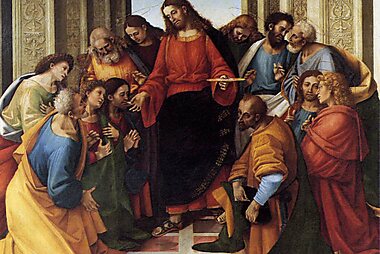
The town was one of the main Etruscan cities, and its museum and tombs are a good place to learn about that ancient people. It also has Renaissance art, quiet churches and a main square full of cafés. A visit suits travellers who like history, good food and slow walks with views. The painters Luca Signorelli and Pietro da Cortona were born here, and the book and film Under the Tuscan Sun made the town famous with many visitors.
Download this guide as a PDFPrintable tourist mapPublic holidays in Italy

Cortona – Planning a Trip?
Build your day-by-day itinerary in the Tripomatic app.


When to visit
Late spring and early autumn are the best times, with warm days and clear views over the valley. July and August are hot and busy, and the steep streets are tiring in the midday heat. Winter is cold at this height, with frosty nights and occasional snow, and some restaurants and shops close or keep shorter hours.
The biggest annual event is Cortona On The Move, an international photography festival that fills palaces and squares with exhibitions from July to September. On the first Sunday of June, the town also holds the Giostra dell'Archidado, a crossbow contest between its historic districts, with a parade in medieval costume.
Best time to visit: May, June, September, October
Top sights

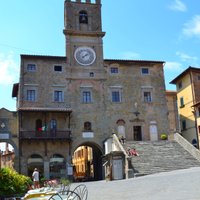
Palazzo Comunale is the medieval town hall on Piazza della Repubblica, the main square. Its wide stone staircase is a favourite place to sit and watch town life.
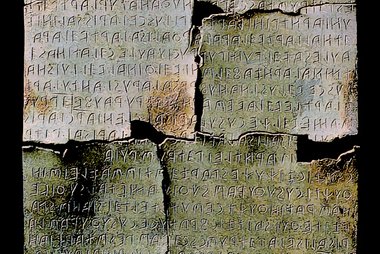
MAEC - Museo dell'Accademia Etrusca e della Città di Cortona fills the medieval Palazzo Casali on neighbouring Piazza Signorelli. It shows Etruscan bronzes, including a large bronze lamp, and the Tabula Cortonensis, a bronze tablet with one of the longest known Etruscan texts.
Museo Diocesano del Capitolo di Cortona is a small museum in a former church opposite the cathedral. Its highlight is the Annunciation by Fra Angelico, and it also has paintings by Luca Signorelli.
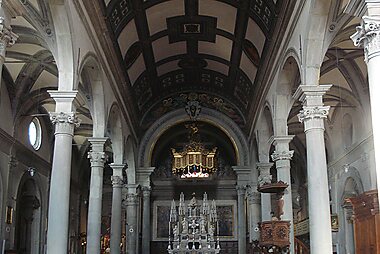
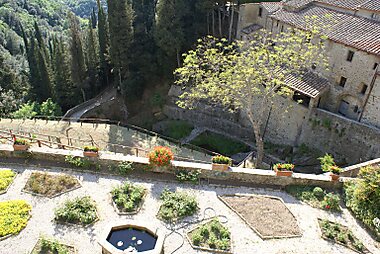
Concattedrale di Santa Maria Assunta stands on the edge of the town walls. The terrace in front looks over the Val di Chiana.
Chiesa di San Francesco was founded in the 13th century by Brother Elias, a companion of Saint Francis, who is buried inside.
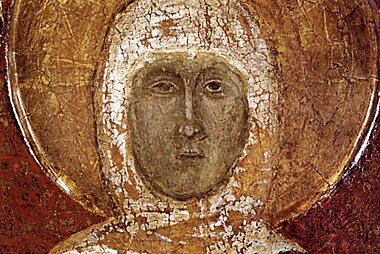
Basilica di Santa Margherita sits near the top of the hill, at the end of a steep climb. Saint Margaret, the town's patron saint, lies in a glass casket above the main altar.
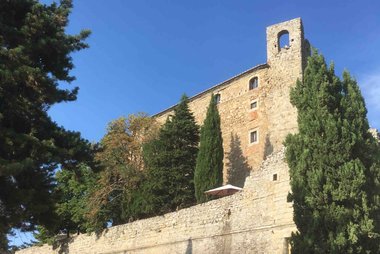
Fortezza del Girifalco crowns the hill at about 650 m. The Medici fortress has the widest views in town, and it hosts exhibitions in the warmer months.
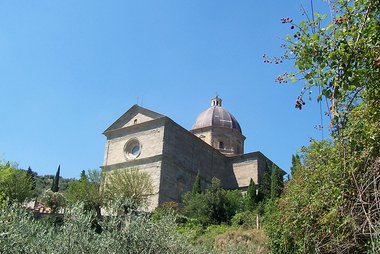
Santa Maria delle Grazie al Calcinaio stands alone on the slope below the walls. This domed Renaissance church was designed by Francesco di Giorgio Martini and begun in 1485.
Featured Lists


What to experience
The best moments here are tied to the town's views, festivals and Etruscan past.
- Walk the Via Crucis to Santa Margherita: climb the steep lane from the town up to Basilica di Santa Margherita, past the Stations of the Cross in mosaic by the Cortona-born artist Gino Severini.
- Watch the sunset from the fortress: stay at Fortezza del Girifalco until evening, when the Val di Chiana and Lake Trasimeno turn gold.
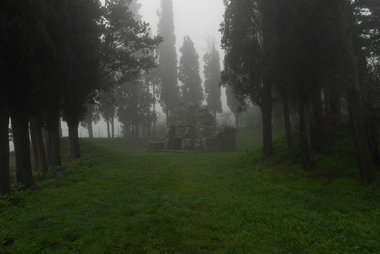
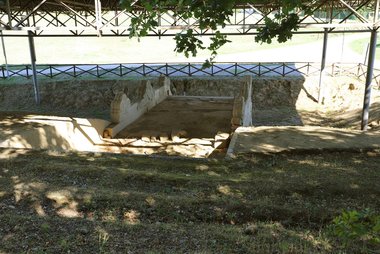
- Explore the Etruscan tombs on the plain: visit the great burial mound of Melone II del Sodo, with its carved altar terrace, and the round tomb of Tanella di Pitagora among the cypresses.
- Join the evening passeggiata: in the early evening, people stroll along Via Nazionale and gather on the steps of the town hall.
- Walk to the hermitage of Le Celle: follow the country road about 3 km to Eremo Le Celle, a Franciscan hermitage in a wooded gorge, where you can see the small cell used by Saint Francis.
Tours & Activities
Cortona — Map

 Open the interactive map
Day trips
Cortona sits where Tuscany meets Umbria, so you can reach famous towns in both regions in about an hour. A car gives the most freedom, but Arezzo and Perugia are also easy by train.
- Castiglione del Lago — ≈25 min by car. A walled town on a headland above Lake Trasimeno, with a castle and lakeside walks.
- Arezzo — ≈35 min by car, or about 20–30 minutes by train from Camucia-Cortona. A larger town with Piero della Francesca's frescoes in the church of San Francesco and a sloping main square.
- Perugia — ≈40 min by car, or by train from Terontola-Cortona. The capital of Umbria, with a Gothic main square and a national art gallery.
- Montepulciano — ≈40 min by car. A Renaissance hill town famous for its Vino Nobile red wine and wine cellars.
- Siena — ≈1 hour by car. The Gothic city of the Campo square and the Duomo.
- Assisi — ≈1 hour by car. The hometown of Saint Francis, with the frescoed Basilica of San Francesco.
Where to explore
Cortona combines well with other hill towns of southern Tuscany and Umbria on a longer trip.
- Nearby hill towns: Montepulciano, Pienza and Montalcino.
- Across the border in Umbria: Assisi and Orvieto.
- Cities: Siena and Florence.
Getting there
Cortona stands on a hill above the Val di Chiana, with its two railway stations in the valley below. Most visitors arrive by car, or by train and a short bus ride.
- By air: Perugia Airport (PEG) is the closest, about 45 minutes by car. Florence Airport (FLR) is about 1.5 hours by car, and Rome Fiumicino (FCO) about 2.5 hours. From Florence or Rome, the train is the easiest way to continue.
- By train: both stations are on the line between Florence and Rome. Terontola-Cortona, about 9 km from town by road, is the main one, with more trains and connections to Perugia. Camucia-Cortona, about 5 km away by road, has regional trains only. Trenitalia
- By bus: buses run from both stations to the old town. A taxi is the alternative. Autolinee Toscane
- By car: take the A1 motorway to the Valdichiana exit, then the fast road towards Perugia and the Cortona exit, about 30 minutes in total.
Getting around
- On foot: the old town is small, but almost every street is steep. Via Nazionale, the main shopping street, is the only flat one, and locals call it "Rugapiana". The climb from the centre to the fortress takes about 20 minutes.
- Buses: local buses link the old town with Camucia and the railway stations. You can tap a contactless bank card on board, buy tickets in the at bus app, or buy from the driver. Autolinee Toscane
- Taxi: there are few taxis, so book one in advance for early trains.
- Cycling: the town is too steep for casual cycling. The flat Val di Chiana below and the roads around Lake Trasimeno suit cyclists and e-bike tours.
Driving
- Is a car worth it? Yes, if you want to explore the countryside, Lake Trasimeno and nearby towns. Inside the old town you will walk everywhere.
- Restrictions: the historic centre is a limited traffic zone (ZTL). Only authorised vehicles may enter, and cameras record cars that pass the gates. If your hotel is inside, ask it to register your number plate.
- Parking: use the paid car parks just below the walls and pay at the machines on site. Some car parks are linked to the centre by escalators, which saves a steep climb. In summer, arrive early, as spaces near Piazza Garibaldi fill quickly.
Food & drink
Cortona sits at the edge of the Val di Chiana, home of the white Chianina cattle, so a thick grilled bistecca is the local classic. Menus also feature hand-rolled pici pasta, local olive oil and wild mushrooms in autumn. The area makes its own Cortona DOC wines, and Syrah grows especially well on these hills. In mid-August, the Sagra della Bistecca, a steak festival, takes place in the Giardini del Parterre.
The best area to eat is the old town around Piazza della Repubblica, Piazza Signorelli and the side streets off Via Nazionale. Lanes a short walk uphill from the main squares are often quieter and better value. For a long lunch, the farm restaurants and wineries in the countryside below the town are worth the drive.
Safety & health
Cortona is very safe, and violent crime is rare. Keep an eye on bags and phones in crowded spots on summer weekends, but pickpocketing is not a common problem.
The streets are steep and paved with stone, so wear good shoes and carry water on hot days. If you plan to taste wine at local estates, do not drive afterwards; Italian drink-driving limits are strict.
History
Cortona was one of the twelve main cities of the Etruscans. Parts of their massive stone walls still circle the town, and the Etruscan tombs on the plain below, such as Melone II del Sodo, date back more than 2,500 years. In 1992, the Tabula Cortonensis was found nearby. This bronze tablet carries one of the longest Etruscan texts known, and it is now in MAEC - Museo dell'Accademia Etrusca e della Città di Cortona.
In the Middle Ages, Cortona was a free town ruled for long periods by the Casali family. In 1411, the King of Naples sold it to Florence, and it stayed under Florentine rule. The Medici later built Fortezza del Girifalco at the top of the hill. Saint Francis stayed here, and his companion Brother Elias founded Chiesa di San Francesco.
Cortona was also a home of artists. Fra Angelico worked here in the 15th century, and Luca Signorelli, Pietro da Cortona and the modern painter Gino Severini were all born here. More recently, the American writer Frances Mayes bought a villa just outside town. Her book Under the Tuscan Sun and the 2003 film based on it brought many new visitors.
Country facts
Quick practical facts for Italy at a glance:
- Currency
- Euro EUR € · Card payments · Widely accepted
- Emergency numbers
- 112
- Electricity
- 230 V · 50 HzType C / Type F / Type L
- Languages
- Italian
- Tap water
- Safe to drink
- Driving side
- Right
- Calling code
- +39

Cortona – Plan Your Days
Turn the places from this guide into a real itinerary, with smart routing, time estimates, and everything you need for a perfect trip.


Related destinations



Data: © OpenStreetMap contributors, Wikidata, Wikipedia, Tripomatic, Official websites, geoBoundaries (CC BY 4.0). Tours by GetYourGuide. We earn commission from bookings. Travel guide generated with AI.
Plan your trip with Tripomatic
- AI-Powered PlanningGet a ready-made day in one tap, let AI spread your shortlist across your trip, or plan everything by chatting.
- Travel AlertsOfficial advisories, severe weather, strikes, and natural hazards for the places on each day of your trip.
- Public Holidays & EventsSee holidays, festivals, and closures on the days of your trip, and what they mean for your plans.
- Cost EstimationAI-powered trip cost breakdowns so you know what to budget before you go.
- Tours & TicketsBook tours, skip-the-line tickets, and activities directly in your plan.