Tripomatic

Italy

Country ·🇮🇹 Italy

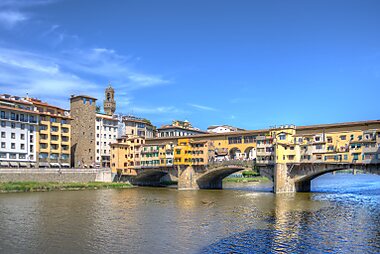
Italy runs the length of a long peninsula, from the Alps in the north to the Mediterranean coastlines of the south, with the character of the country shifting noticeably along the way. Rome, Florence, Venice, and Milan anchor most first visits, but the regions between them — Tuscany's hill towns, the Amalfi Coast, Sicily's ancient ruins — hold just as much of the appeal.

Art, architecture, and food are deeply woven into daily life rather than set apart for tourists, and the country rewards travelers willing to slow down for a long lunch or an aimless walk through a historic center. Most first-time visitors combine two or three cities with at least one smaller region for contrast.

Italy

Planning a Trip to Italy?

Build your day-by-day itinerary in the Tripomatic app.

Money & payments

EUR · €
Widely accepted
1 EUR ≈ 1.157 USD 1 USD ≈ 0.8645 EUR

Cards are widely accepted in cities and tourist areas, though small trattorias, markets, and shops in smaller towns and the south still often prefer cash. Many hotels charge a small nightly city tourist tax (tassa di soggiorno), paid separately in cash at check-in or check-out. ATMs are common; withdraw from bank-branded machines to avoid high fees.

Hotel (double room, per night)mid-range hotel, room for two per night
90 – 170 €$104.11 – $196.65
Dinner (mid-range restaurant)mid-range restaurant, one person, no drinks
20 – 40 €$23.14 – $46.27
Inexpensive mealpizza slice or casual trattoria meal
8 – 15 €$9.25 – $17.35
Local beer0.4L draught at a bar
4 – 6 €$4.63 – $6.94
Coffeeespresso standing at the bar
1 – 2 €$1.16 – $2.31
Water0.5L bottle, shop
1 – 2 €$1.16 – $2.31
Transit ticketsingle, city
1.5 – 2.2 €$1.74 – $2.54
Taxi (per km)per km, standard daytime rate
1.3 – 2 €$1.50 – $2.31

Explore Italy

Italy's Iconic Treasures

Italy's Iconic Treasures

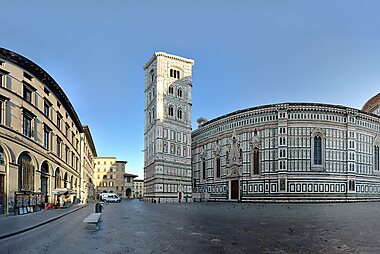
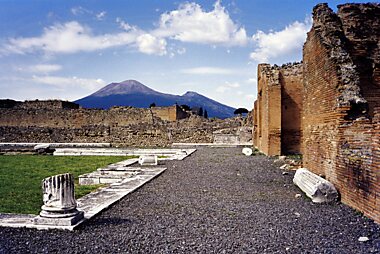
This collection spans the breadth of Italian heritage, from the Alpine peaks of Tre Cime di Lavaredo to the volcanic landscapes of Mount Etna. It highlights architectural milestones like Florence’s Renaissance Duomo and Milan’s Gothic cathedral, alongside archaeological sites including Pompeii’s volcanic ruins and the Greek temples of Agrigento. Cultural landmarks range from the Byzantine mosaics of Ravenna and Leonardo da Vinci’s Last Supper to the ancient cave dwellings of Matera and the Roman opera stage of the Verona Arena.

15 places
Italy's UNESCO World Heritage

Italy's UNESCO World Heritage

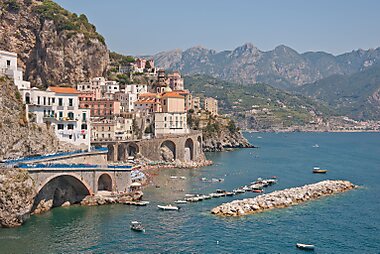
This collection spans millennia of Italian history, from the 5th-century BC Greek temples of Akragas and Paestum to the 18th-century Royal Palace of Caserta. It features remarkably preserved Roman urban centers at Pompeii and Herculaneum alongside the unique cave-dwelling architecture of Matera’s Sassi. Architectural highlights include the Byzantine mosaics of Ravenna, the medieval shell-shaped Piazza del Campo in Siena, and the Renaissance water gardens of Villa d'Este. Natural landmarks are represented by the active stratovolcano of Mount Etna and the dramatic coastal landscapes of Amalfi.

20 places
Hidden Gems of Italy

Hidden Gems of Italy

Italy's lesser-known wonders span millennia, from the pre-Nuragic tombs of Anghelu Ruju to the 13th-century octagonal Castel del Monte. This selection features the world's best-preserved Doric temples in Agrigento and the intricate 4th-century mosaics of Villa Romana del Casale. Natural highlights include the Roman-engineered Cascata delle Marmore and the karst systems of Neptune's Grotto and Castellana. From the secluded pebble beach of Cala Mariolu to the botanical ruins of Ninfa, these sites represent significant archaeological, architectural, and geological heritage.

18 places
Iconic Italian Museums

Iconic Italian Museums

This collection spans the breadth of Italian history, from the ancient Greek Doric temples of Akragas to the preserved Roman streets of Pompeii. It features world-renowned art institutions like Milan’s Brera Art Gallery and Florence’s Pitti Palace, alongside specialized collections such as Turin’s Egyptian Museum and the National Cinema Museum inside the Mole Antonelliana. Visitors can explore archaeological treasures like the Riace Bronzes in Reggio Calabria and the Neolithic Iceman in Bolzano, or view Renaissance masterpieces within the ducal palaces of Mantua and the historic galleries of Venice and Rome.

20 places
Historic Churches & Cathedrals

Historic Churches & Cathedrals

Italy’s architectural legacy is anchored by these 18 historic sites, ranging from the white marble Gothic spires of Milan Cathedral to the Byzantine mosaics of Ravenna’s San Vitale. The collection spans centuries, featuring the Romanesque complex of Pisa, the Tuscan Gothic of Siena, and the unique Norman-Arab-Byzantine fusion in Sicily’s Monreale and Palermo cathedrals. Spiritual landmarks like the Basilica of Saint Francis of Assisi and the Benedictine Montecassino Abbey offer insight into monastic history, while the Scrovegni Chapel and Lecce’s Baroque Santa Croce showcase the evolution of Italian fresco and sculpture.

18 places
Ancient Ruins and Temples

Ancient Ruins and Temples

Italy’s archaeological landscape spans millennia, featuring remarkably preserved Greek and Roman structures. This collection highlights the UNESCO-listed Valley of the Temples in Agrigento and the exceptionally preserved Doric temples of Paestum. It includes the volcanic ruins of Pompeii and Herculaneum, the intricate Roman mosaics at Villa Romana del Casale, and the unique prehistoric Nuragic complexes of Sardinia. From the massive Verona Arena to the cliffside Greek theatre of Taormina, these sites showcase the architectural evolution and cultural heritage of the Mediterranean's most influential civilizations.

20 places
Historic Castles & Palaces

Historic Castles & Palaces

This collection spans Italy’s architectural evolution, from the 13th-century octagonal Castel del Monte to the expansive Baroque Palace of Caserta. It features Norman strongholds in Sicily, the grand Savoy residences of Turin, and iconic medieval towers in Pisa and Bologna. These sites showcase diverse styles, including Romanesque, Renaissance, and Gothic Revival, highlighting the defensive ingenuity of mountain fortresses and the opulence of royal estates used by the House of Savoy and the Bourbons.

20 places
Italy's Best Beaches

Italy's Best Beaches

Italy's coastline offers diverse geological wonders, from the white marl staircase of Scala dei Turchi in Sicily to the pink coral sands of Budelli. This selection highlights the crystal-clear waters of Sardinia’s Gulf of Orosei, the dramatic limestone cliffs of the Amalfi Coast, and the protected nesting grounds of loggerhead turtles at Rabbit Beach. Visitors can explore unique features like the Fiord of Furore’s deep gorge, the Roman history surrounding Polignano a Mare’s pebble inlets, and the vast coastal dunes of Porto Pino.

18 places
Italy's Mountain Wonders

Italy's Mountain Wonders

This collection spans Italy’s diverse topography, from the jagged limestone peaks of the Dolomites and Brenta Group to volcanic heights on the islands of Capri and Ischia. It features high-altitude alpine passes like Rolle and Staller Saddle alongside dramatic karst formations in the Castellana Caves. Water features range from glacial lakes in the north, such as Lake Molveno and Antholzer See, to the volcanic caldera of Lake Vico in central Italy and man-made reservoirs in Calabria.

15 places
Iconic Peaks and Caves

Iconic Peaks and Caves

Italy’s diverse geology is showcased through its active volcanoes, high-altitude peaks, and extensive cave networks. This selection features the stratovolcanoes of Sicily and Campania, including Etna and Vesuvius, alongside the highest summits of the Alps, Mont Blanc and the Matterhorn. Subterranean highlights include the massive karst chambers of the Frasassi and Castellana systems, and coastal sea caves like the Blue Grotto and Neptune’s Grotto, shaped by millennia of marine erosion and tectonic activity.

15 places
Iconic Parks & Gardens

Iconic Parks & Gardens

Italy’s green spaces blend centuries of history with diverse botanical collections. This selection includes UNESCO-listed Renaissance masterpieces like Villa d’Este and Boboli Gardens, famous for their architectural water features and sculptures. It also spans ancient archaeological parks, including the Greek temples of Akragas and Selinunte and the Punic necropolis of Tuvixeddu. From the tropical species of the Palermo Botanical Garden and the romantic ruins of Ninfa to the basalt cliffs of the Alcantara Gorge, these sites represent the country’s varied landscapes, ranging from Lake Como to the Sicilian coast.

12 places
Italy's Regional Flavors

Italy's Regional Flavors

Explore Italy’s diverse culinary landscape through this collection of historic cafes and regional restaurants. From the 18th-century Caffé Pedrocchi in Padua to the traditional Neapolitan pastries at Scaturchio, these locations highlight local specialties. The list includes waterfront dining on Venice’s Zattere Promenade, mountain retreats in the Dolomites, and authentic Sicilian flavors in Erice and San Vito Lo Capo. Each entry offers a glimpse into the specific gastronomic traditions of its province, featuring artisanal gelato in Pisa and Sardinian cuisine in Alghero.

19 places
Iconic Theatres & Opera Houses

Iconic Theatres & Opera Houses

Italy’s theatrical legacy is showcased through this collection of ancient amphitheaters and historic opera houses. It features 3rd-century BC Greek structures in Taormina and Syracuse, and the iconic Roman Arena in Verona, famous for its open-air summer festival. The list also includes architectural landmarks like the Renaissance-era Teatro Olimpico in Vicenza and grand 19th-century venues, including Palermo's Teatro Massimo—Italy's largest opera house—and Venice’s legendary La Fenice. These sites represent centuries of evolution in performance space, from classical stone ruins to ornate Neoclassical interiors.

8 places
Historic Squares and Fountains

Historic Squares and Fountains

This collection showcases Italy’s most iconic public spaces, spanning from the Renaissance gardens of Villa d'Este to the medieval shell-shaped Piazza del Campo in Siena. Explore grand UNESCO-listed cathedral squares in Florence, Milan, and Pisa, or admire Baroque artistry at Palermo’s Quattro Canti and Rome’s Fountain of Neptune. The list also highlights unique urban designs like Trieste’s massive seafront square and the historic Ballarò street market, offering a comprehensive look at Italy's architectural heritage and communal life through the centuries.

14 places

Tours & Activities

Map of Italy

Tipping

RestaurantOptional

not customary beyond the coperto cover charge; rounding up for good service is appreciated but not expected

BarOptional

rounding up to the nearest euro is common

TaxiOptional

round up the fare

HotelOptional

a small note for porters or housekeeping is a nice gesture, not expected

Tour guideOptional

a few euros for a good tour is appreciated

Many restaurants add a small cover charge (coperto) per person to the bill regardless of what's ordered — this is standard and legitimate as long as it's disclosed on the posted menu or price list — not a scam, though an undisclosed cover charge is not allowed. Tipping beyond that is a gesture rather than an expectation.

Electricity

Italy uses Type C, F, and L plugs at 230 V / 50 Hz. Type L is a distinct three-pin Italian standard not used elsewhere in Europe, though most sockets also accept the more common Type C two-pin plug.

Type C
Type F
Type L
230 V · 50 Hz

Language

Italian is the official language. English is common in Rome, Florence, Venice, and Milan's tourist areas, but far less reliable in smaller towns and rural regions. Regional dialects remain strong in everyday speech, though standard Italian is understood everywhere.

HelloBuongiorno
Thank youGrazie
PleasePer favore
Excuse meScusi
Yes
NoNo
How much?Quanto costa?
CheersSalute!
HelpAiuto!
GoodbyeArrivederci
Do you speak English?Parla inglese?
SorryMi dispiace
Where is…?Dov'è...?
I don't understandNon capisco
The menu, pleaseIl menu, per favore
The bill, pleaseIl conto, per favore

Staying connected

Buying a prepaid SIM requires showing a passport, by law, for every provider. Coverage is strong in cities and along major routes, with some gaps in mountainous areas and smaller islands.

Safety & emergencies

Italy is generally safe for tourists, with the main risks being pickpocketing on crowded public transport, at major train stations, and around landmarks like the Colosseum and Trevi Fountain. Common scams include unsolicited "friendship bracelets" or fake petitions designed to distract while an accomplice picks pockets. In Naples and a few other cities, moped bag-snatching is a known, if infrequent, risk — carry bags on the side away from the road.

General emergency112
Police113
Ambulance118
Fire brigade115

Health

Tap water is safe to drink in cities and most of the country, though some rural or mountainous areas have less consistent infrastructure and bottled water may be preferable there; public fountains marked "acqua non potabile" (not drinkable) should always be avoided. Pharmacies (farmacia), marked with a green cross, are common and can advise on minor ailments; a rotating pharmacy stays open nights and Sundays in most areas. EU/EEA citizens' EHIC covers reciprocal state healthcare; other visitors should carry travel insurance.

Visas & entry

Italy is part of the Schengen Area. Citizens of the EU, UK, US, Canada, Australia, and many other countries can enter visa-free for stays of up to 90 days within any 180-day period, for tourism or business. Travelers from countries without a visa-free agreement need a Schengen visa arranged in advance.

Visa and entry requirements change frequently — including a planned ETIAS travel authorization for visa-exempt visitors that has been repeatedly delayed. Verify current requirements with the official immigration authority or your country's embassy before travel.

Etiquette

Dress modestly when visiting churches — shoulders and knees covered for both men and women; some, including St. Peter's Basilica, enforce this strictly and will turn away bare shoulders or shorts. Ordering a cappuccino after a meal, especially dinner, is seen as unusual by locals, who typically drink it only in the morning; espresso is the standard after-meal choice.

Greet shopkeepers with a "buongiorno" or "buonasera" on entering, and expect a slower pace in small towns, especially during the early-afternoon lull when some shops close.

Holidays & opening hours

Ferragosto (August 15) is the country's biggest summer holiday, and much of Italy — especially small businesses outside tourist centers — closes for part or all of August as owners take their own vacation. Many shops in smaller towns also close for a couple of hours around midday.

Jan 1New Year's Day
Jan 6Epiphany
movable — Mar/AprEaster Sunday
movable — Mar/AprEaster Monday
Apr 25Liberation Day
May 1Labour Day
Jun 2Republic Day
Aug 15Assumption
Nov 1All Saints' Day
Dec 8Immaculate Conception
Dec 25Christmas Day
Dec 26St. Stephen's Day
each city observes its own patron saint day (e.g. Jun 24 in Florence and Turin, Jun 29 in Rome, Dec 7 in Milan)Patron saint's day

Most shops close on Sundays outside tourist areas and major cities.

Getting around

  • By train: high-speed services (Trenitalia's Frecce trains and the private operator Italo) connect major cities quickly — Rome to Florence in about 1.5 hours, Rome to Milan in around 3. Regional trains, slower but far cheaper, reach smaller towns.
  • By air: domestic flights make sense for longer north-south routes, such as Milan to Palermo, where the train takes most of a day.
  • By bus: intercity coaches reach towns not well served by rail, especially in the south and in hill regions.

Venice has no cars in its historic center; getting around means walking or taking a vaporetto (water bus) along the canals.

Driving

  • Key rules: many historic city centers, including parts of Rome, Florence, and Milan, have ZTL (zona a traffico limitato) zones with camera enforcement — driving into one without authorization results in an automatic fine, even for rental cars and tourists. Confirm your hotel is outside the ZTL or can register your plate.
  • Tolls and vignettes: no general vignette; autostrade charge tolls via a ticket-and-barrier system, paid by card or cash on exit.
  • Congestion: city centers are dense and often better explored on foot or by public transport than by car.
  • Parking: blue-lined spaces are metered; white lines are free; yellow lines are reserved for residents.
  • Fuel: stations are mixed self-service and full-service; pay by card or cash. Petrol is labeled Benzina; diesel is labeled Gasolio.
Drive on the right
Urban50 km/h
Rural90 km/h
Motorway130 km/h
No motorway vignette needed
Autostrade charge tolls via a ticket-and-barrier system; take a ticket on entry and pay by card or cash on exit. Many historic city centers also have ZTL (zona a traffico limitato) restricted zones enforced by camera.
Petrol: Benzina, Benzina Senza PiomboDiesel: Gasolio, Diesel

Food & drink

A full traditional meal moves through courses: antipasto (starter), primo (pasta, rice, or soup), secondo (meat or fish) with a side, and dolce (dessert) — though ordering just one or two courses is completely normal outside special occasions. Regional cooking varies sharply: rich, butter- and cream-based dishes dominate in the north, tomato- and olive-oil-based cooking defines the center and south, and seafood is central along the coasts.

Coffee culture has its own rules — espresso is drunk standing at the bar, often in a couple of minutes, and is noticeably cheaper than sitting at a table. Aperitivo, an early-evening drink often served with light snacks, is a daily ritual in many cities before dinner, which itself tends to start later than in much of Europe.

Lunch
Pizza MargheritaThin-crust pizza topped with tomato, mozzarella, and basil, invented in Naples and still best there.
Dinner
Spaghetti alla CarbonaraPasta with egg, cured pork cheek (guanciale), pecorino cheese, and black pepper, a Roman classic.
Risotto alla MilaneseCreamy saffron-infused rice dish from Milan, often served alongside braised veal shank.
Lasagna  Lasagne al FornoLayered baked pasta with ragu, bechamel, and cheese, a staple of Emilia-Romagna cooking.
Snacks & street food
Prosciutto and Cheese  Prosciutto e FormaggioCured ham paired with regional cheeses, a common antipasto plate found nationwide.
Sweets & desserts
GelatoDense, slow-churned Italian ice cream, traditionally lower in fat and air than American-style ice cream.
Tiramisu  TiramisùLayered dessert of coffee-soaked ladyfingers and mascarpone cream, dusted with cocoa.
Drinks
Espresso  CaffèA short, strong shot of coffee drunk quickly, usually standing at a bar counter.
Wine  VinoItaly is one of the world's largest wine producers, with regional styles from Piedmont's Barolo to Tuscany's Chianti.
Aperol SpritzA bittersweet orange aperitif mixed with prosecco and soda water, a staple of the early-evening aperitivo.

Where to explore

Rome is the natural starting point for most visits, with ancient ruins, Renaissance art, and Vatican City's museums all within walking distance of each other. Florence concentrates a large amount of Renaissance art and architecture into a compact, walkable center, and serves as the gateway to Tuscany's hill towns and vineyards.

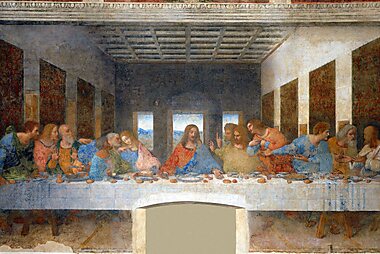
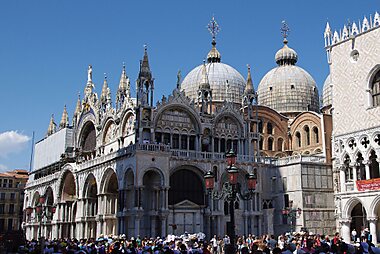
Venice, built across a lagoon and threaded with canals, has a layout unlike Italy's other major cities, best explored slowly and away from the crowded route between the train station and St. Mark's Square. Milan pairs a major fashion and design scene with Leonardo da Vinci's Last Supper and a Gothic cathedral at its center, while Naples has a denser, more street-level pace, with heavy traffic and busy markets, along with the gateway to Pompeii and the Amalfi Coast.

Venice
Drive
Rome
Drive
Florence

Plan Your Trip to Italy

Pick the places you want to see and Tripomatic turns them into a day-by-day route, with smart routing, time estimates, and everything you need for a perfect trip.


3M+ downloads · 4.6 stars · 15 years of trip planning
QR code
Scan to download the app

Related destinations