
Hradec Králové Region
Královéhradecký kraj stretches from gentle farmland in the south to the high ridges of the Krkonoše mountains on the Polish border in the north. It packs a wide range of experiences into one region: a baroque hospital carved with dramatic statues, one of the country's best-known zoos, sandstone rock towns, and a regional capital admired for its early modern architecture.
The regional capital, Hradec Králové, sits where the Elbe and Orlice rivers meet and makes an easy, walkable base for exploring the wider region. The writer Božena Němcová spent part of her childhood near Ratibořice Chateau, in the valley that later inspired her best-known novel. The region suits travelers who want variety over a few days — baroque grandeur, sandstone wilderness, and quiet countryside towns — rather than a single big-name sight.

Planning a Trip to Hradec Králové Region?
Build your day-by-day itinerary in the Tripomatic app.
When to visit
Spring and autumn are mild, good for castle-hopping and short hikes. Summer is warm, sometimes hot, and the best season for the sandstone rock towns and the high Krkonoše ridges. Winter is cold, with reliable snow in the mountains for skiing.
Plan around Rock for People, one of the Czech Republic's largest music festivals, held every June on the grounds of Hradec Králové's airport and drawing major international acts alongside tens of thousands of visitors.
Best time to visit Hradec Králové Region: June, July, August, September
August is usually the warmest, sunniest month, while spring and autumn bring the fewest crowds at the region's castles.
Top sights


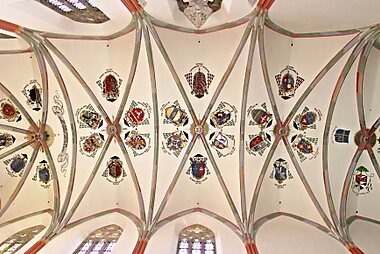

Kuks Hospital is a vast baroque complex built in the early 18th century for Count František Antonín Špork, its grounds lined with dramatic statues of virtues and vices carved by Matthias Bernard Braun. A short walk into the forest nearby leads to Braun's Bethlehem, a set of monumental figures the same sculptor carved directly into the sandstone rock face.
Dvůr Králové Zoo is one of the best-known zoos in the country, known for its African section and for leading international efforts to save the northern white rhino from extinction.
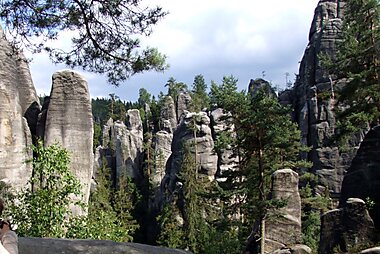
Adršpach-Teplice Rocks is a maze of sandstone towers and narrow gorges, explored on marked trails and, in places, by a short boat ride along a still, narrow river between the rock walls.
Nové Město nad Metují Chateau anchors a well-preserved Renaissance square in the small town of the same name, one of the prettiest small-town centers in the region.
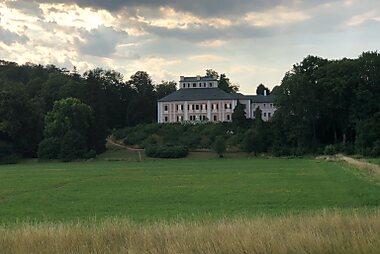
Ratibořice Chateau sits in the wooded valley that writer Božena Němcová made famous in her novel Babička (The Grandmother), still one of the most-read books in Czech literature.
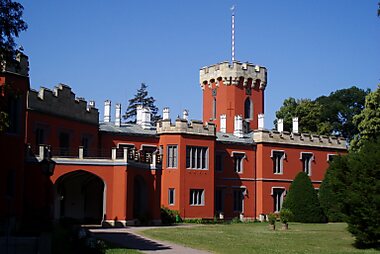
Hrádek u Nechanic is an unexpected English-style neo-Gothic country house, built for a noble family in the 19th century and modeled on English manor houses seen on their travels.
Cathedral of the Holy Spirit and the freestanding White Tower belfry beside it anchor the historic core of Hradec Králové's main square.
Explore Hradec Králové Region

Královéhradecký kraj Essentials
This region in the northeast of the Czech Republic contains the country's highest mountain, Sněžka, and its tallest waterfall, Pančavský vodopád. The landscape is defined by the Krkonoše National Park and the intricate sandstone formations of the Adršpach-Teplice and Prachov Rocks. Architectural highlights include the Baroque hospital at Kuks with its allegorical sculptures, the Renaissance White Tower in Hradec Králové, and the Tudor Gothic Hrádek u Nechanic. The area also features the unique Safari Park in Dvůr Králové and the iconic twin towers of the Trosky Castle ruins.
12 places
Editor's Choice Highlights
This selection highlights castles ranging from early Baroque to classicist styles, local museums preserving regional history, and vantage points offering panoramic views. Included are well-preserved fortifications and ruins, as well as cultural institutions that reflect the heritage of the Královéhradecký region.
9 places
Hidden Historical Gems
This collection features eleven lesser-known sites in the Královéhradecký kraj region, including medieval castle ruins such as Břecštejn and Výrov, historical monuments like the Morový sloup, and natural landmarks such as the Novopacký vodopád waterfall and the Lokomotiva rock formation. Each location offers insight into local history, geology, and cultural heritage off the main tourist routes.
9 places
Castles & Historic Sites
Discover a diverse array of castles and historic ruins in the Hradec Králové Region, featuring Gothic and Baroque architectural styles. The list includes preserved chateaux such as Dětenice and Jičín, alongside evocative medieval ruins like Hrad Veliš and the castle remains of Brada and Pařez, reflecting the area's layered cultural and military history.
10 places
Castles & Monuments
This collection features ten castles, ruins, towers, and monuments in the Královéhradecký region, highlighting early Baroque to classical architecture, medieval fortifications, and historic urban gates. The list includes well-preserved chateaux, castle ruins accessible year-round, and unique structures like the Valdická brána city gate with its clock tower.
10 places
Museums & Galleries
Explore the cultural landmarks of the Hradec Králové region, ranging from the grand Baroque complex of Kuks Hospital to the Art Nouveau architecture of Jan Kotěra. The selection features the Renaissance White Tower in Hradec Králové, specialized craft displays at the Vamberk Lace Museum, and literary sites dedicated to author Božena Němcová. Visitors can also discover a vast collection of historical toys and a themed workshop inspired by the fairytale cobbler Rumcajs in Jičín.
8 places
Nature & Outdoor Highlights
This collection features 15 outdoor highlights in the Jičín region, including historic city gates like Valdická brána, numerous scenic viewpoints offering panoramic vistas, well-maintained parks, a golf club, and camp sites. These locations showcase both cultural heritage and natural beauty across the Kralovehradecky kraj.
15 places
Historic Churches & Chapels
This collection highlights eleven churches and chapels in the Hradec Králové region, showcasing significant baroque and gothic architectural styles. Included are key religious sites such as pilgrimage chapels, historic parish churches, and former monastic buildings that reflect the region's rich spiritual and cultural heritage.
11 places
Historic Churches & Shrines
This collection features 14 churches, cathedrals, chapels, and shrines in the Královéhradecký region, highlighting Roman Catholic heritage through Baroque, Gothic, and other architectural styles. Included are historic diocesan seats, parish churches, and former monastic sites reflecting the area's religious and cultural history.
12 placesOutdoor & Nature Highlights
This list features a variety of natural and historical landmarks including scenic peaks like Čertův vrch, multiple observation towers such as Eliška and Ruprechtický Špičák, parks like Zámecký park, and the Bečkovský waterfall. Together, these sites offer diverse outdoor experiences with panoramic views and cultural heritage in the Královéhradecký region.
12 places
Outdoor Recreation Highlights
This list features 18 locations in the Český ráj region, including historic city gates like Valdická brána, numerous scenic viewpoints offering expansive views of the landscape, and well-equipped camp sites. The combination of natural scenery and cultural landmarks highlights the area's rich outdoor recreation opportunities.
18 places
Regional Cuisine Highlights
This list features ten establishments in the Hradec Králové Region specializing in regional cuisine. Included are restaurants with outdoor seating, dedicated smoking areas, and Wi-Fi access, reflecting a range of dining atmospheres from traditional inns to cafés. These places highlight local culinary traditions through their menus and settings.
10 places
Observation Towers & Viewpoints
This collection features architectural landmarks and scenic viewpoints across the Hradec Králové Region. It includes the 72-meter Renaissance White Tower, the Dušan Jurkovič-designed Jiráskova chata, and the futuristic meteorological observatory atop Sněžka. Visitors can explore the Krkonoše treetop walkway, historic city gates in Jičín, and mountain-top towers like Čáp, the highest peak of the Adršpach-Teplice Rocks. These sites offer perspectives ranging from urban skylines to the rugged landscapes of the Giant and Jizera Mountains.
10 placesWhat to experience
- Watch the sunset from the riverside promenade where the Elbe and Orlice rivers meet, a favorite evening walk for locals in Hradec Králové.
- Take a short boat ride through the narrow river passage inside Adršpach-Teplice Rocks, gliding between sandstone walls that almost meet overhead.
- Follow the marked walking trail through Babiččino údolí (Grandmother's Valley) around Ratibořice Chateau, the real-life setting of one of the most-loved books in Czech literature.
- Ride a safari-style tour bus through the semi-open enclosures at Dvůr Králové Zoo, a different way to see the zoo's African section.
- Cycle a stretch of the marked Elbe river cycle route that follows the water through Hradec Králové and out into the surrounding countryside.
Tours & Activities
Map of Hradec Králové Region
Day trips
Beyond the region's own sights, these are worth the trip:
- Pardubice (≈35–40 min by car or train) has a compact old town with a Renaissance chateau and a famous gingerbread-making tradition; the Grand Pardubice Steeplechase, one of Europe's toughest horse races, runs there every October.
- Kutná Hora (≈45 min–1 h by car or train) is a UNESCO World Heritage silver-mining town, home to the Gothic St. Barbara's Cathedral and the unusual Sedlec Ossuary, decorated with the bones of tens of thousands of people.
- Bohemian Paradise (≈45 min–1 h by car, around Jičín) is the edge of the Bohemian Paradise sandstone landscape; Prachovské skály, a compact rock city of towers and narrow passages near Jičín, makes a good half-day hike.
- Krkonoše (≈1–1.5 h by car to Špindlerův Mlýn or Pec pod Sněžkou) fills this region's own northern edge with the Czech Republic's highest peaks, marked hiking trails, and ski resorts — it has a full guide of its own if you want to stay longer.
Where to explore
Dvůr Králové nad Labem is best known for its zoo, but its own Renaissance square is worth a stroll before or after a visit. Kuks, the tiny village around the baroque hospital, has a handful of places to eat if you want to linger.
Heading east, Broumov has a well-preserved Baroque monastery and sits below the sandstone ridge known as the Broumov Walls, a quieter alternative to Adršpach for a longer hike.
In the north, Trutnov is the main gateway town into the Krkonoše mountains, with regional trains and buses continuing up into the resort villages.
Getting there
- By air: Václav Havel Airport Prague (PRG) is the main gateway, roughly 1.5–2 hours from Hradec Králové by car or bus. Hradec Králové's own airport handles only small aircraft and has no scheduled passenger flights.
- By train: Regional and fast trains connect Hradec Králové to Prague in roughly 1.5–2 hours, usually via Pardubice, a major rail junction. Book on České dráhy.
- By bus: Direct long-distance coaches link Prague with Hradec Králové in roughly 1.5–2 hours.
Getting around
- Public transit: Hradec Králové has an extensive trolleybus and bus network; buy tickets from machines at stops or through the IREDO regional transport app, which also covers buses between towns across the region. Outside the capital, a car is the practical way to reach most castles and rock formations.
- Taxi / ride-hailing: Bolt operates in Hradec Králové; elsewhere, local taxi firms are the more reliable option.
- On foot / cycling: Hradec Králové's compact old town and riverside parks are easy on foot, and a well-marked cycle path follows the Elbe river through the city and beyond. Outside town, reaching the region's castles and rock formations on foot isn't realistic.
Driving
- Is a car worth it?: Yes, outside Hradec Králové itself. The region's castles, the zoo, and the sandstone rock towns are spread out and only patchily served by public transport.
- Parking: Castles and rock formations have their own paid car parks with ticket machines; Hradec Králové's center has metered on-street parking and several multi-storey garages just outside it.
- Restrictions: None beyond the usual town-center pedestrian zones.
Food & drink
Regional food follows classic Czech countryside cooking: roast pork with dumplings and cabbage, duck, and freshwater fish from the region's ponds. Around the mountain foothills in the north, hearty dishes with cabbage and smoked meat are common, similar to what you'll find higher up in the Krkonoše mountains.
For eating out, head to Hradec Králové's main square and the streets around it, where restaurants and cafés cluster within a short walk of each other; smaller towns like Nové Město nad Metují and Broumov have their own compact centers with a handful of good options each.
Safety & health
Královéhradecký kraj is very safe for travelers, with low crime and few scams aimed at tourists. The main practical risk is in the mountains along the region's northern edge, where weather can change quickly even in summer — bring warm layers and sturdy shoes for any hike above the tree line.
History
The region takes its name from Hradec Králové, whose name means roughly "Queen's Castle" — a title it earned as a dower town settled on Bohemian queens from the 14th century onward. In the early 20th century the city became a testing ground for progressive urban planning under mayor František Ulrich, who commissioned architects Jan Kotěra and later Josef Gočár to design its new districts. The Museum of Eastern Bohemia, designed by Kotěra and built between 1909 and 1912, is one of his major works and still anchors the city's reputation for early modern architecture.
Kuks Hospital tells a different story: built in the early 18th century by Count František Antonín Špork as a hospital and pilgrimage site, its statues by Matthias Bernard Braun are considered among the finest baroque sculpture in Central Europe.
The writer Božena Němcová spent part of her childhood at Ratibořice Chateau in the early 19th century, and later drew on those memories for Babička, a novel still taught in Czech schools and one of the most enduring pieces of the country's literary canon.
Country facts
Quick practical facts for the Czech Republic at a glance:
- Currency
- Czech Koruna CZK Kč · Card payments · Commonly accepted
- Emergency numbers
- 112
- Electricity
- 230 V · 50 HzType C / Type E
- Languages
- Czech
- Tap water
- Safe to drink
- Driving side
- Right
- Calling code
- +420
Plan Your Trip to Hradec Králové Region
Pick the places you want to see and Tripomatic turns them into a day-by-day route, with smart routing, time estimates, and everything you need for a perfect trip.






