


Épernay
Épernay is a small town on the Marne river, about 130 km northeast of Paris. It is one of the two main centres of Champagne wine, with Reims. The big champagne houses have their cellars here, in chalk tunnels under the town.
It suits a one- or two-night trip built around cellar visits, tastings and walks in the vineyards. The centre is compact and calm. Most visitors come from Paris or Reims.

Épernay – Planning a Trip?
Build your day-by-day itinerary in the Tripomatic app.


When to visit
Late spring to early autumn is the best time. Days are warm and the cellars stay cool all year. The grape harvest usually runs in late summer or early autumn, and the vineyards are busy then. Winters are cold and grey, and some smaller houses close or shorten their hours.
The biggest event is Habits de Lumière, a weekend of lights, parades and shows in December. Book hotels early for that weekend.
Best time to visit: June, July, August, September
Top sights
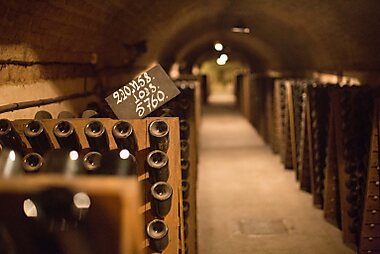
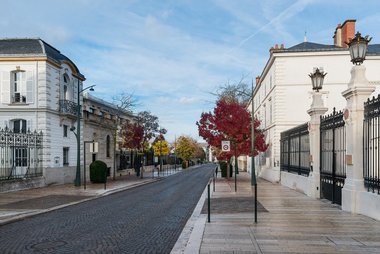
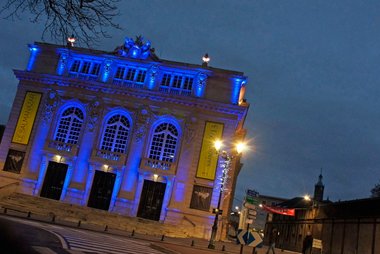
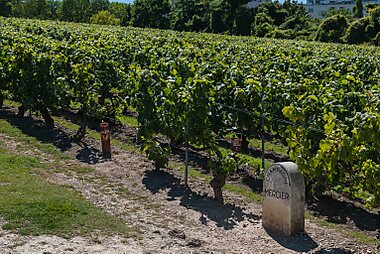
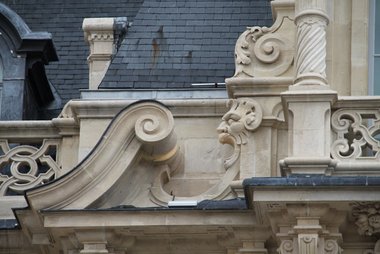
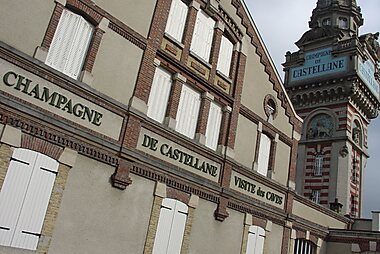
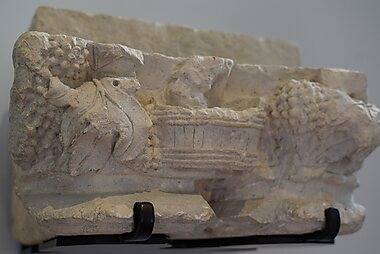
- Avenue de Champagne is the town's main street and a UNESCO World Heritage site. Large champagne houses stand on both sides, with long cellars under the road.
- Moët & Chandon was founded in 1743. It is one of the largest champagne houses, and its cellar tour is among the most popular. Book ahead in season.
- Mercier was founded in 1858 by Eugène Mercier. Its tunnels are long, and visitors can ride through parts of the cellar.
- Bâtiments de la Société Champagne de Castellane is another house on the avenue, founded in 1895. It is a good choice for a smaller visit with a tasting.
- Château Perrier is a 19th-century mansion on the avenue. It holds the museum of Champagne wine and regional archaeology, a good place to learn how champagne is made.
What to experience
- Take a cellar tour with a tasting. Houses on the avenue offer visits, and small family producers offer private tastings. Book ahead.
- Walk the avenue in the evening, when it is quiet.
- Join the Habits de Lumière weekend in December for lights, parades and shows.
- Visit in harvest season to see pickers in the vineyards near the town.
- Try a vineyard walk or a bike ride from Épernay to the villages on the slopes above the Marne.
Tours & Activities
Épernay — Map

 Open the interactive map
Day trips
Épernay is a good base for the wine villages and for two larger towns.
- The village of Hautvillers is about 15 minutes away by car or taxi. Its abbey, Hautvillers Abbey, was the home of the monk Dom Pérignon. Walk the village streets between the vineyards.
- Montagne de Reims is a wooded hill with vineyards, villages and walking paths, 20 to 30 minutes away by car. A car or a tour is the easiest way to see it.
- Châlons-en-Champagne is about 30 minutes by train. It is a calm town with canals, old houses and a large cathedral.
- Reims is about 30 minutes by train. It has a Gothic cathedral and more champagne houses.
- Paris is about 1 hour 15 minutes by train (direct trains are limited), so a long day trip is possible.
Where to explore
Nearby places in the Champagne area:
- Reims is the larger champagne city, with a famous cathedral.
- Châlons-en-Champagne is a quiet town on the Marne.
- Troyes is a timber-framed old town in the south of Champagne, about 1.5 hours away by road.
Getting there
- By air: The nearest big airport is Paris Charles de Gaulle (CDG), about 130 km west. From there, take a train to Paris Gare de l'Est or drive on the A4. There is no practical commercial flight option closer to town.
- By train: A direct regional train (TER) runs from Paris Gare de l'Est in about 1 hour 15 minutes. Other trains need a change, so check times on SNCF Connect. Trains also run to Reims and Châlons-en-Champagne, and east to Strasbourg and Metz. The station is about 10 minutes on foot from the Avenue de Champagne. Book at SNCF Connect.
- From nearby cities: Coming from Reims or Châlons-en-Champagne, the train takes about 30 minutes.
- From Paris: Paris is the main starting point for most visitors.
Getting around
- On foot: The centre, the station and the Avenue de Champagne are all within walking distance of each other. This is the best way to see the town.
- Local buses: A small town bus network serves the suburbs. You rarely need it for sightseeing.
- Taxi: Use a taxi to reach vineyards and villages after a tasting. Book ahead for the evening.
- Cycling: The town is flat and the vineyards have quiet roads, but the slopes outside town are steep. Cycling is a nice way to reach the nearest villages.
For visit planning and bookings, see the Épernay tourist office.
Driving
- Worth it?: Not for the town itself, which is small and walkable. A car helps for vineyard villages and small producers outside town.
- Parking: Park once in a town car park and walk. The avenue is a short walk from the centre.
- Alcohol: France has a low legal limit. After tastings, use a taxi, a driver or a tour instead of driving.
Food & drink
Champagne is the main drink, and many restaurants list it by the glass. Local dishes use regional pork, river fish and Chaource and Langres cheeses. Biscuits roses of Reims are a classic sweet.
For a meal, look in the streets around the town centre and the Avenue de Champagne, where restaurants and wine bars cluster. Smaller producers often serve tastings with local snacks.
Safety & health
Épernay is a safe town. Petty theft is rare, but keep an eye on bags near the station and in busy bars.
Tap water is safe to drink. Cellars are cool, about 10 to 12 °C, so bring a light jacket even in summer.
History
Épernay belonged to the archbishops of Reims and later to the counts of Champagne. War damaged the town many times. King Francis I burned it in 1544.
Claude Moët founded his wine house here in 1743, and the trade grew in the 1800s. Merchants built big houses and chalk cellars along what is now the Avenue de Champagne. In 1914 German troops held the town for a week, and in World War I about two-thirds of the town was destroyed. The Château Perrier now tells the story of local wine and archaeology.
The avenue and nearby sites became a UNESCO World Heritage site in 2015 as part of the Champagne hillsides, houses and cellars.
Country facts
Quick practical facts for France at a glance:
- Currency
- Euro EUR € · Card payments · Widely accepted
- Emergency numbers
- 112
- Electricity
- 230 V · 50 HzType C / Type E
- Languages
- French
- Tap water
- Safe to drink
- Driving side
- Right
- Calling code
- +33


Épernay – Add to Your Trip
Create a detailed travel itinerary with smart routing, time estimates, and everything you need for a perfect trip.


Related destinations


Data: © OpenStreetMap contributors, Wikidata, Wikipedia, Tripomatic, Official websites. Tours by GetYourGuide. We earn commission from bookings. Travel guide generated with AI.
Plan your trip with Tripomatic
- AI-Powered PlanningGet a ready-made day in one tap, let AI spread your shortlist across your trip, or plan everything by chatting.
- Travel AlertsOfficial advisories, severe weather, strikes, and natural hazards for the places on each day of your trip.
- Public Holidays & EventsSee holidays, festivals, and closures on the days of your trip, and what they mean for your plans.
- Cost EstimationAI-powered trip cost breakdowns so you know what to budget before you go.
- Tours & TicketsBook tours, skip-the-line tickets, and activities directly in your plan.