



Moldova
Moldova is a small, landlocked country between Romania and Ukraine, known above all for wine. Centuries of Ottoman, Russian, and Romanian rule left behind Orthodox monasteries, cave churches, and Soviet-era towns. The pace is slow, prices are low, and the countryside is filled with vineyards and orchards.
Cricova Winery and Milestii Mici Winery hold two of the largest underground wine cellars in the world, with vast tunnel networks used for aging and storing wine. History lovers can explore the cliffside cave monasteries at Orheiul Vechi or medieval river fortresses further north. Moldova suits travelers who enjoy slow food, rural landscapes, and a country that gets far fewer visitors than its neighbors.




Moldova – Planning a Trip?
Build your day-by-day itinerary in the Tripomatic app.


Money & payments
Carry cash for rural areas, small guesthouses, market stalls, and monastery donation boxes — cards are not always accepted outside cities.
ATMs are common in cities but scarce in villages, so withdraw money before a day trip outside town. Moldova is one of the cheapest countries to visit in Europe.
Featured Lists


Historic Sites of Moldova
Moldova’s historical landscape features a diverse range of fortifications, monuments, and archaeological sites. This selection includes the 15th-century Tighina Fortress on the Dniester River and the UNESCO-listed Struve Geodetic Arc point in Rudi. Visitors can explore the archaeological complex of Orheiul Vechi, which preserves Geto-Dacian ruins and cave monasteries, or visit architectural landmarks like the Manuc Bey Mansion and the historic Castelul Mimi winery. The list also highlights significant commemorative monuments in Chișinău, Tiraspol, and Vulcănești.
10 places


Tours & Activities
Moldova — Map

Tipping
Tipping in restaurants is expected for good service. At counters, cafés, and bars, rounding up the bill is enough.
5-10 %
round up
20-50 MDL
50-100 MDL per person
round up
Taxi drivers do not expect a tip if the fare was agreed beforehand, though rounding up is common. Hotel staff and tour guides appreciate a small tip in cash.
Electricity
Moldova uses Type C and F plugs at 220 V / 50 Hz, standard for continental Europe.
Language
Romanian is the official language. Russian is also widely spoken, especially in Chisinau, Bender, and Gagauzia, where Gagauz is common too. English is understood in hotels and tourist-facing businesses in the capital, but far less so in smaller towns and villages. Romanian uses the Latin alphabet, but signs and menus outside the capital sometimes appear only in Russian, written in Cyrillic.
Staying connected
Prepaid SIM cards are cheap and easy to buy at kiosks and phone shops on arrival. Registration requires showing your passport, and activation usually takes about 15 minutes. Orange and Moldcell are the main providers, both with tourist data bundles.
Safety & emergencies
Moldova is generally safe for travelers. Petty theft and pickpocketing can happen in crowded areas of Chisinau, so watch your belongings on public transport and at markets. Avoid unlicensed taxis at night; agree on a fare in advance or book through an app.
Transnistria, the breakaway region east of the Dniester River, runs its own checkpoints and authorities. Check current travel advice before crossing, and carry your passport at all times.
Health
Tap water is treated but not recommended for drinking; stick to bottled or filtered water. Pharmacies, marked "Farmacie", are common in cities and stock most everyday medicines. No special vaccinations are required for entry, but keep routine vaccines up to date before you travel.
Visas & entry
Citizens of the EU and EEA, the United Kingdom, the United States, Canada, Australia, New Zealand, Japan, and several other countries can enter Moldova visa-free for up to 90 days within any 180-day period. Travelers from countries without visa-free access can apply for an electronic Travel Authorization online before arrival, which also allows a 90-day stay. Citizens of remaining countries need a visa from a Moldovan embassy or consulate before travel.
A short trip out of the country does not reset the 90-day count; overstaying can lead to a fine and a possible entry ban.
Visa and entry requirements change frequently. Verify current requirements with the official immigration authority or your country's embassy before travel.
Etiquette
Dress modestly when visiting monasteries and churches: cover shoulders and knees, and women are often expected to cover their heads with a scarf, sometimes provided at the entrance. Ask before photographing a religious service in progress.
Moldovans take hospitality seriously. If offered wine or food in someone's home or at a winery, it is polite to accept at least a little. A handshake is standard for greetings; close friends may greet with a kiss on the cheek. At a wine tasting, wait for the host to propose the first toast before drinking.
Holidays & opening hours
Moldova celebrates Christmas twice: Orthodox Christmas on 7 January and the Western date on 25 December are both public holidays. Most shops, banks, and offices close on national holidays, though supermarkets in Chisinau often stay open.
Shops typically close early or stay shut on Sunday afternoons outside the capital, and many restaurants take a break between lunch and dinner service in smaller towns.
Getting around
- By minibus (marshrutka): Shared minibuses connect Chisinau with almost every town and village, leaving frequently from central bus stations. They are cheap and the most practical way to reach rural areas.
- By train: The rail network is limited and slow. It covers a handful of routes but is not the fastest way to see the country.
- By taxi: Agree on the fare before getting in, or book through a ride-hailing app in Chisinau.
- By car: Renting a car is the most flexible way to reach wineries, monasteries, and villages that buses skip.
Driving
- Alcohol limit: zero tolerance. The legal blood alcohol limit is 0.00 %, so do not drive after drinking any amount of alcohol.
- Parking: pay-and-display parking is common in Chisinau; smaller towns are mostly free and unregulated.
- Road conditions: main roads between cities are in reasonable shape, but rural and village roads can be poorly maintained, with potholes and few lit sections at night.
- Electric vehicles: charging stations are limited outside Chisinau; plan routes carefully if driving an EV.
Food & drink
Breakfast is usually light: bread, cheese, and coffee. Lunch is the main meal of the day for many Moldovans, often built around soup and a meat dish, while dinner is lighter. Meals lean heavily on vegetables, dairy, and cornmeal, a farming tradition shared with neighboring Romania.
Mămăligă, a firm corn porridge, appears as a side or a main dish, often topped with cheese and sour cream. Sarmale, cabbage or grape leaves stuffed with meat and rice, is a staple at family gatherings, alongside zeamă, a sour chicken soup. Street stalls and bakeries sell plăcinte, thin pastries filled with cheese, potato, or fruit. Wine accompanies most meals, from everyday table wine to the country's well-known reds and whites; homemade fruit brandy, rachiu, is common in villages. Markets and small canteens are affordable, casual places to eat alongside restaurants.
Where to explore
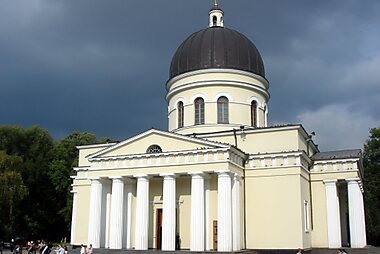
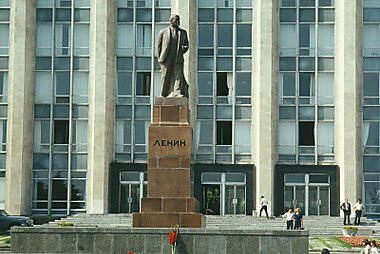
Chisinau, the capital, has most of the country's museums and restaurants, grouped around the Great National Assembly Square and the nearby Triumphal Arch. The Metropolitan Cathedral of Christ's Nativity is the seat of the Moldovan Orthodox Church.
Orhei is home to Orheiul Vechi, a cliffside complex of cave monasteries above the Răut River and one of the country's most visited sights outside the capital.
Soroca, in the north on the Dniester River, is known for Soroca Fort, a round 16th-century stronghold, and for a hillside neighborhood of elaborate houses built by the local Roma community.
Bender, on the west bank of the Dniester, has the older Tighina Fortress, built under Stephen the Great and later rebuilt by the Ottomans.
Bălți is Moldova's second-largest city, a useful base for the northern wine region.
Gagauzia, an autonomous region in the south, has its own Turkic-speaking culture, centered on the town of Comrat.
Moldova – Plan Your Trip
Pick the places you want to see and Tripomatic turns them into a day-by-day route, with smart routing, time estimates, and everything you need for a perfect trip.




