



Ostrava
Ostrava is a major city in the Moravian-Silesian Region of the Czech Republic. It offers a unique travel experience focused on its industrial heritage. Many former mines and industrial sites have been transformed into museums and cultural centers. This makes Ostrava an interesting destination for those curious about technology, history, and a different side of Czechia.
Beyond its industrial past, Ostrava provides a vibrant cultural life. You can find lively entertainment options and numerous parks for relaxation. It suits travelers looking for an engaging urban trip with a distinct character.

Ostrava – Planning a Trip?
Build your day-by-day itinerary in the Tripomatic app.


When to visit
Ostrava experiences distinct seasons. Summers, from June to August, are the warmest, though they also bring the highest rainfall. Spring and autumn offer milder temperatures and pleasant weather, ideal for exploring the city's outdoor attractions. Winters are cold and often snowy, with temperatures frequently dropping below freezing, creating a festive atmosphere around the holidays.
Best time to visit: June, August, September
Top sights
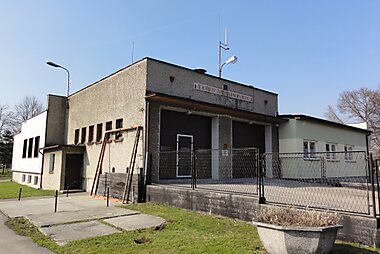


Landek Park is a unique museum complex dedicated to the history of mining in the region. Visitors can descend into a real mine shaft and experience the underground world of miners.
Explore Svět techniky, a large technology center built within a former ironworks. It features interactive exhibits for all ages, perfect for learning about science and industry.
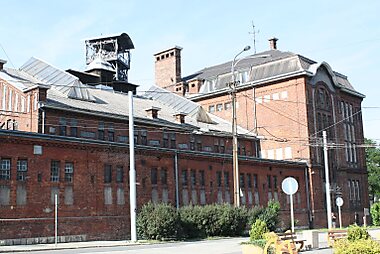
At Důl Michal, you can tour a preserved former coal mine that now serves as a museum. Walk through original facilities and gain insight into the daily life of a miner.
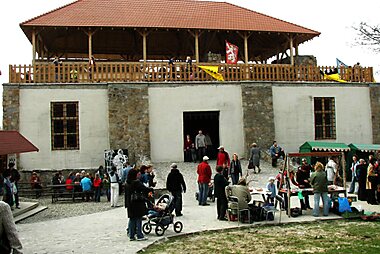
Visit Slezskoostravský hrad, a historic castle situated at the confluence of two rivers. It offers scenic views and often hosts cultural events.
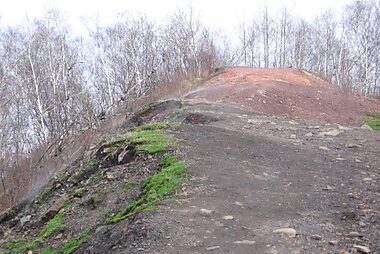
Hike up halda Ema, a distinctive man-made hill formed from mining waste. From the top, enjoy panoramic views of Ostrava and observe the lingering smoke and steam from underground coal seams.
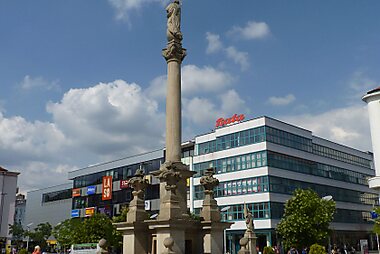
Masarykovo náměstí is Ostrava's bustling central square. It features colorful facades, historical statues, and is a lively spot for city events.
For nightlife and entertainment, head to Stodolní. This famous street in the city center is packed with bars, clubs, and restaurants.
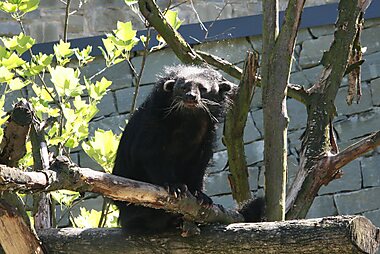
Spend a day at ZOO a botanický park Ostrava, home to a diverse collection of animals and a beautiful botanical garden. It is an ideal outing for families and nature enthusiasts.
Featured Lists


What to experience
Engage with Ostrava's unique spirit through these local experiences:
- Hike to the top of halda Ema. This man-made slag heap still has underground fires that emit steam and smoke, creating a unique landscape.
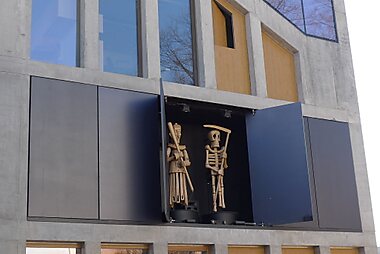
- See the orloj, Ostrava's fairy-tale wooden astronomical clock on the Puppet Theatre facade, where carved figures appear on the hour — a charming stop for families.
- Experience the lively nightlife on Stodolní. This famous street is known for its many bars, clubs, and restaurants, offering a glimpse into Ostrava's social scene.
- Cheer on the local football club at Stadion Bazaly. Attend a match of Baník Ostrava for an energetic and authentic sporting atmosphere.
Tours & Activities
Ostrava — Map

 Open the interactive map
 Day trips
Explore beyond Ostrava with these easy and rewarding day trips.
- Hukvaldy: Discover the imposing ruins of Hukvaldy Castle, one of Moravia's largest, and visit the birthplace of renowned composer Leoš Janáček. The village is approximately 30 minutes by car from Ostrava.
- Starý Jičín Castle: Wander through the atmospheric ruins of this medieval castle, which offers expansive views of the surrounding countryside. It is about 40 minutes by car or bus away.
- Rožnov pod Radhoštěm: Immerse yourself in traditional Wallachian culture at the Wallachian Open Air Museum, Central Europe's largest skansen. Travel time is around 1 hour by car or bus.
- Olomouc: This city boasts magnificent Baroque architecture, including the impressive Holy Trinity Column, a UNESCO World Heritage site. It is reachable in about 1 hour by direct train.
Getting there
- By air: Ostrava is served by Leoš Janáček Airport Ostrava (OSR), which offers a limited selection of scheduled flights. For broader international connections, travelers often fly into Prague (PRG) or Vienna (VIE). Direct trains from Prague to Ostrava take approximately 3 hours. From Vienna, direct trains to Ostrava also take about 2.5 to 3 hours.
- By train: Ostrava is a major railway hub in the Moravian-Silesian Region. Direct train services connect Ostrava with cities like Prague and Brno, as well as destinations in Slovakia and Poland. The primary station is Ostrava hlavní nádraží.
- By bus: Long-distance bus services link Ostrava with numerous cities across the Czech Republic and neighboring countries. The main long-distance bus terminal is ÚAN Ostrava.
Getting around
- Ostrava has a public transport system of trams, buses, and trolleybuses. You can purchase tickets directly on board using a contactless bank card or phone. For routes and schedules, visit the official website: Dopravní podnik Ostrava.
- Ride-hailing services like Uber and Bolt are available in Ostrava.
- The city center of Ostrava is easy to explore on foot. Cycling is also a practical option, with paths along the Ostravice River.
Food & drink
Ostrava's food scene is deeply rooted in traditional Czech and Moravian cuisine, emphasizing hearty and satisfying dishes. Expect robust meals often featuring meat, potatoes, and rich gravies. Look out for regional specialties like Slezské zelí, a local version of sauerkraut, and various dumplings. Sweet pastries such as valašský frgál are also popular in the wider region.
For a vibrant selection of dining and nightlife options, head to Stodolní in the city center. Masarykovo náměstí is another central area with various cafes and restaurants. If you are exploring the Svět techniky, you will find convenient food choices within the complex.
Safety & health
Ostrava is a generally safe city for travelers. Petty crime, such as pickpocketing, can occur in crowded areas like Masarykovo náměstí and on public transport. Be especially vigilant in busy nightlife spots like Stodolní. Always keep your valuables secure and be aware of your surroundings. Tap water in Ostrava is safe to drink.
For emergencies, use these numbers:
History
Ostrava's origins trace back to the 13th century. Its strategic location near the Polish border led to the construction of Slezskoostravský hrad. This castle helped guard important trade routes. The city's central area, including Masarykovo náměstí, developed steadily over the centuries.
The discovery of extensive coal deposits in the 18th century reshaped Ostrava's destiny. It rapidly grew into a major industrial hub. Today, visitors can explore this rich industrial past at sites like Landek Park and Důl Michal, both dedicated to mining history. The unique artificial hill of halda Ema is another visible legacy of the mining era. The city's industrial heritage is also celebrated at Svět techniky, housed within former ironworks. The Obětem hornické stávky u Dolu Trojice monument recalls the human stories behind this industrial growth.
Country facts
Quick practical facts for Czech Republic at a glance:
- Currency
- Czech Koruna CZK Kč · Card payments · Commonly accepted
- Emergency numbers
- 112
- Electricity
- 230 V · 50 HzType C / Type E
- Languages
- Czech
- Tap water
- Safe to drink
- Driving side
- Right
- Calling code
- +420


Ostrava – Plan Your Days
Turn the places from this guide into a real itinerary, with smart routing, time estimates, and everything you need for a perfect trip.

