


What to See in Rome
- A
Colosseum
Ancient elliptical amphitheatre and UNESCO World Heritage site that served as the largest venue for gladiatorial contests and public spectacles. It stands as a significant example of ancient engineering and architecture.
-
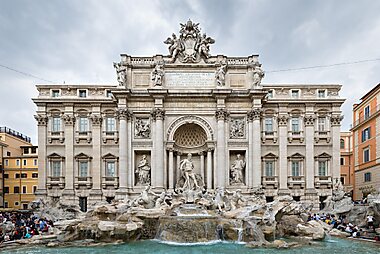
Trevi Fountain
Baroque fountain renowned for its grand architecture and artistic sculptures, historically marking the end point of the aqueduct Vergine. It is notable for the tradition of coin tossing associated with it.
- CSygic Traveler / all-rights-reserved
Pantheon
Ancient Roman temple and minor basilica featuring the world's largest unreinforced concrete dome. This 2nd-century structure is one of the best-preserved buildings from antiquity and serves as both a Catholic church and a state museum.
- DMohamed Elsaid / cc-by-4.0
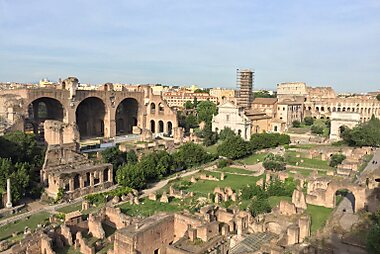
Roman Forum
Ancient archaeological site and historic square featuring ruins of important government buildings and temples from the Roman Empire.
- EGiacomo della Porta / pd
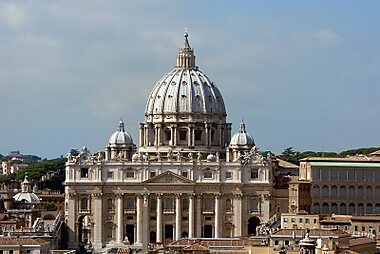
Saint Peter's Basilica
Major Renaissance and Baroque Catholic basilica known for its architectural masterpieces and religious significance as a pilgrimage site and principal church of the Catholic Church.
- FLalupa / pd
Navona Square
Baroque square built on the ancient Stadium of Domitian, featuring notable fountains and rich cultural significance.
-
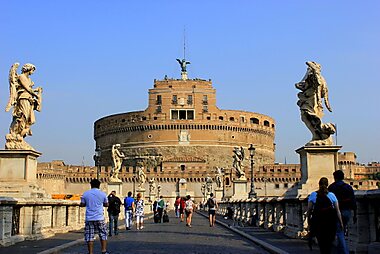
Castle of the Holy Angel
Historic fortress and museum originally built as a mausoleum for Emperor Hadrian, featuring rich history, impressive architecture, and panoramic city views.
-
Spanish Steps
Baroque staircase built in the early 18th century, connecting a famous square with a historic church. Known for its architectural design, historical significance, and use as a filming location.
- I
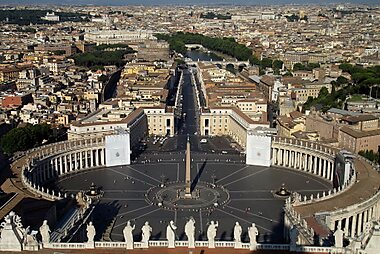
St. Peter's Square
Elliptical Baroque square featuring a central Egyptian obelisk and grand colonnades designed by Gian Lorenzo Bernini. This pedestrian space serves as the monumental entrance to a major basilica and is a recognized UNESCO World Heritage Site.
- J
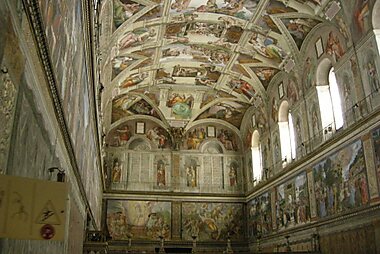
Sistine Chapel
Renaissance chapel renowned for its stunning frescoes by Michelangelo and other master artists. It serves as a significant religious site and venue for papal ceremonies.
- K
Vatican Museums
A complex of museums and galleries housing one of the largest and most important art collections in the world, featuring Renaissance masterpieces and ancient artifacts.
- LKarelj / pd
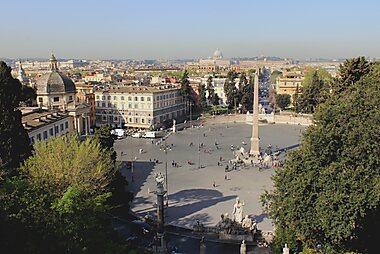
People's Square
Historic and monumental square featuring baroque and neoclassical architecture, an ancient Egyptian obelisk, twin churches, and fountains.
-
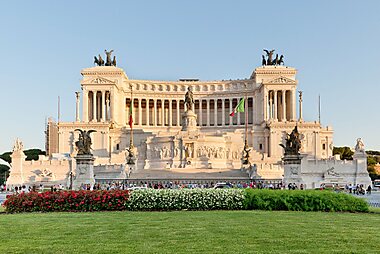
Monument to Vittorio Emanuele II
Neoclassical national monument dedicated to King Victor Emmanuel II, featuring a museum and panoramic terraces. It symbolizes Italian unification and patriotism.
- NBerthold Werner / pd
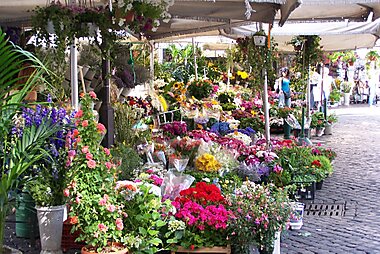
Field of Flowers Square
Historic square featuring a lively daily flower and food market and notable monuments.
- O
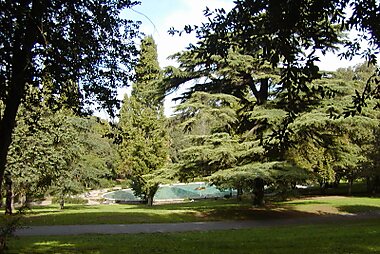
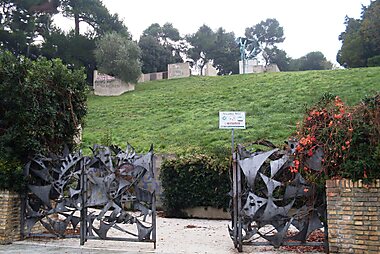
Villa Borghese Park
Large public park featuring extensive gardens, walkways, and cultural attractions including an art gallery with masterpieces by renowned artists.
-
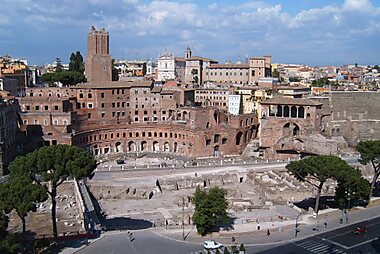
Imperial Forums
A series of monumental ancient Roman squares and buildings that served as political and administrative centers. The site features significant archaeological ruins illustrating Roman architecture and history.
-
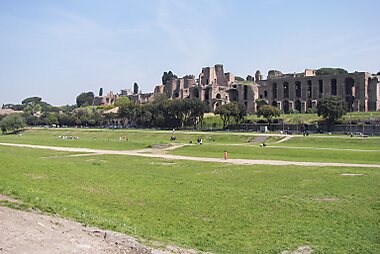
Circus Maximus
Ancient Roman chariot-racing stadium and entertainment structure now preserved as an archaeological park with ruins and open grassy areas.
-
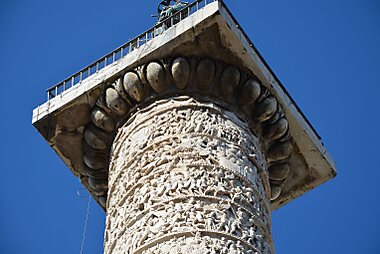
Column of Marcus Aurelius
Roman victory column completed in 193 AD featuring a spiral relief depicting Emperor Marcus Aurelius's military campaigns.
-
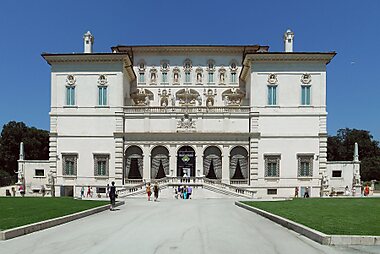
Borghese Gallery
Historic art museum housed in a villa surrounded by gardens, featuring a prestigious collection of Renaissance and Baroque masterpieces. The gallery showcases significant sculptures and paintings within a former noble estate.
-
Pincian Hill
Historic hill with gardens, panoramic viewpoints, and notable monuments including busts of Italian figures and an obelisk. It is part of the Villa Borghese gardens and offers scenic views over the city.
-
Capuchin Crypt Museum
Historic underground crypt and museum featuring artistic displays made from the skeletal remains of thousands of Capuchin friars. It provides insight into religious burial practices and Roman history through its unique ossuary decorations.





Rome – Planning a Trip?
Build your day-by-day itinerary in the Tripomatic app.

Tours & Activities


Plan Your Day-by-Day Itinerary
Create a detailed travel itinerary with smart routing, time estimates, and everything you need for a perfect trip.


Audio Guides – Rome
Explore on foot with a self-guided audio tour that narrates each stop as you reach it.

Rome in a Day
93 min4.6 km9 stops
This one-day walk links Rome's most iconic sights: the Colosseum, the Roman Forum, the Capitoline Hill, the Vittoriano at Piazza Venezia, the Pantheon, and the Trevi Fountain, finishing at the Spanish Steps, with two hidden gems worked in along the way. The route traces about four and a half kilometers north from ancient Rome into the Baroque quarter, so the ruins and the longer walking come early and the day winds down among cafes and shopping near the finish. Expect crowds, cobblestones, and plenty of reasons to slow down - bring comfortable shoes and a good part of a day. The walk begins at the Colosseum, a short walk from the Colosseo metro station.

Caravaggio's Violent Rome
61 min3.0 km6 stops
Follow the most revolutionary painter of his age through the Rome that made him famous and then destroyed him. From the church that launched his career to the square where his temper first got him into real trouble, this walk traces Caravaggio's masterpieces alongside his police record — brawls, a stabbing, and finally a fatal 1606 duel that made him a wanted man for the rest of his short life. Starts near Piazza Venezia, ends at the river.

Hear Rome's audio tours
2 walks in Audio Guides by Tripomatic


