


Arles
Arles is a small city on the Rhône, at the northern edge of the Camargue. It has Roman and Romanesque monuments, a strong Provençal identity and a long link with painters and photographers. Vincent van Gogh lived here from 1888 to 1889 and painted many of his best-known works in the city.
It suits a relaxed two-night stay. The centre is compact and easy to walk. Arles also works well as a base for the Camargue wetlands, the Alpilles hills and the cities of Nîmes, Avignon and Marseille.
Download this guide as a PDFPrintable tourist mapPublic holidays in France

Arles – Planning a Trip?
Build your day-by-day itinerary in the Tripomatic app.


When to visit
Late spring and early autumn are the most pleasant seasons. Summer is hot and dry, and the mistral wind can blow at any time of year. Winter is mild but quiet, and some sights have shorter hours.
The biggest annual event is the Rencontres d'Arles photography festival. It runs through the summer and fills the city's historic buildings with exhibitions. Book rooms well ahead for July and August.
Best time to visit: May, June, July, August, September, October
Top sights
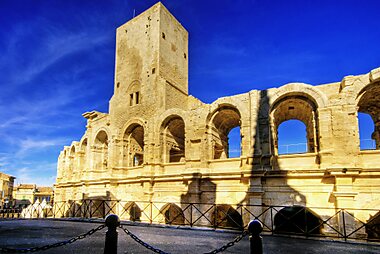
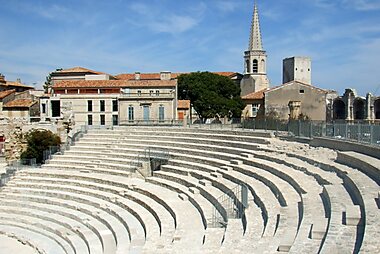

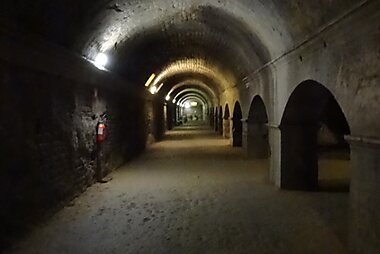

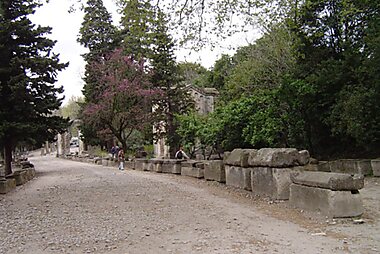
Arles has more Roman and Romanesque sites than most cities its size. Many are part of one UNESCO listing.
- Arènes d'Arles is the Roman amphitheatre from about 90 AD. It later became a fortress with four towers, and three still stand. Bullfights and concerts are held here today.
- Théâtre antique is a Roman theatre close to the amphitheatre. Two columns of the old stage still stand, and summer shows are held here.
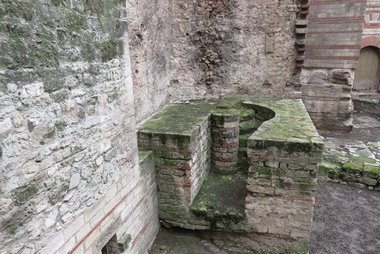
- Thermes de Constantin are the ruins of Roman baths from the time of Emperor Constantine, beside the Rhône.
- Cathédrale Saint-Trophime d'Arles is the Romanesque cathedral on the main square. Look for its carved west portal and the quiet cloister.
- Nécropole des Alyscamps is a shaded Roman burial avenue that later became a Christian cemetery. It was a favourite subject for painters.
- Musée de l'Arles antique is the main archaeology museum, on the edge of the centre. It holds mosaics, statues and a Roman river boat.
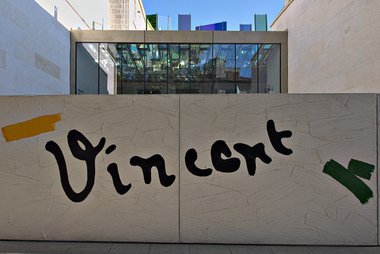
- Fondation Vincent Van-Gogh shows contemporary art in dialogue with works by Van Gogh, in an old town house.
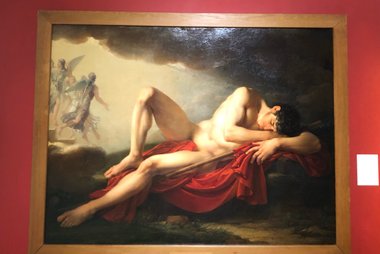
- Musée Réattu is a fine-arts museum on the riverbank, known for its modern art collection.
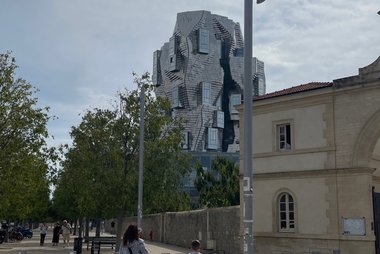
- Tour Luma is the metal tower of the Luma arts campus, designed by Frank Gehry. The campus and its park lie just east of the old town.
Featured Lists


What to experience
These are local rituals and seasonal events that are specific to Arles.
- Saturday market: The big weekly market on Boulevard des Lices sells produce, olives, herbs and crafts. A smaller market runs on Wednesday mornings.
- Bull culture: Arles is a centre of bull sport. In a course camarguaise the bull is not harmed, and young men try to take small ribbons from its horns. Check dates at the Arènes d'Arles.
- Feria d'Arles: This festival takes place on the first weekend of September. It brings parades, street music and bullfights. A smaller feria happens at Easter.
- Rhône at dusk: Walk the riverbank at sunset. Van Gogh painted the night sky here in 1888.
- Summer evenings: Concerts and shows take place in the Roman monuments in July. Check the programme before you book.
Tours & Activities
Arles — Map

 Open the interactive map
Day trips
Arles is a good base for day trips. The closest options are the easiest.
- Avignon: about 20 min by train. It has the Palais des Papes and a walled old town.
- Les Baux-de-Provence: about 25 min by car. A hilltop village with a ruined castle.
- Saint-Rémy-de-Provence: about 25 min by car. A market town near Roman ruins and the asylum where Van Gogh stayed in 1889 and 1890.
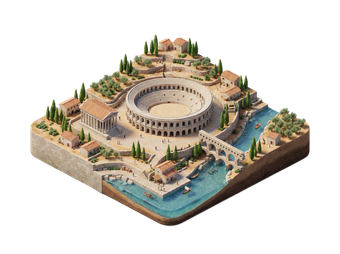
- Nîmes: about 30 min by train. It has a very well preserved Roman amphitheatre and the Maison Carrée temple.
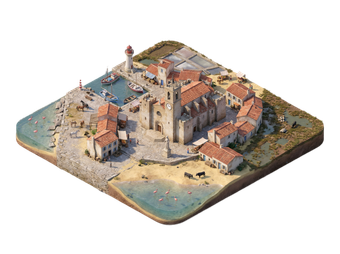
- Saintes-Maries-de-la-Mer: about 45 min by car. A beach town in the Camargue, known for its fortified church and its Romani pilgrimage in May.
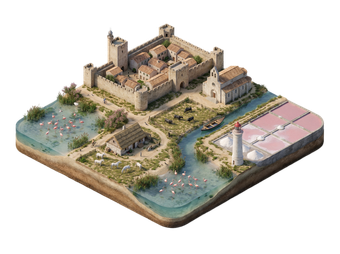
- Camargue: wetland with flamingos, white horses and black bulls. Go by car, bike or guided tour.
- Marseille: about 50 min by train. A large port city with an old harbour.
- Pont du Gard: about 45 min by car. A tall Roman aqueduct bridge.
Getting there
- By air: The nearest large airport is Marseille Provence (MRS), about 1 hour away by car. Montpellier (MPL) is a similar distance. Most visitors connect by train or rental car.
- By train: Arles station is on the line between Marseille and Nîmes. Direct TGV trains run from Paris, and the journey takes about 4 hours. Regional TER trains reach Avignon in about 20 min, Nîmes in about 30 min and Marseille in about 50 min. Book TGV tickets on SNCF Connect.
- By bus: Regional coaches link Arles with nearby towns. A car or train is easier for most routes.
- By car: The A54 motorway passes the city. The drive from Marseille or Nîmes takes about 1 hour or less.
Getting around
- On foot: The old town, the Roman sites and most museums are within a 15-minute walk. Streets are narrow and often paved with cobbles.
- Local transport: Electric shuttle buses serve the centre. Details are on the Arles tourist office site.
- Cycling: The terrain is flat and bikes are good for the Rhône bank and the edge of the Camargue. Summer heat and the mistral wind can make it hard work.
- To the Camargue: Public transport is limited. A car, a bike or a guided tour is the practical choice.
Driving
- Is a car worth it?: Not for the town itself. It is useful for the Camargue, the Alpilles and Les Baux, where public transport is limited.
- Parking: Most of the old centre is pedestrian or restricted. Use the large paid car parks around the ring boulevards and walk in.
- Restrictions: Streets in the historic core are narrow and some are closed to cars.
Food & drink
Look for Provençal and Camargue dishes. Bull stew (gardiane de taureau) is the signature dish. Camargue rice, dry sausage made with bull meat and local olive oil are also common.
Eating clusters around Place du Forum, Place de la République and the streets near Boulevard des Lices. Café terraces on Place du Forum are popular, and the market is good for a picnic. Tipping follows the national rule. Service is included, so rounding up is enough.
Safety & health
Arles is a safe city for visitors. Pickpocketing is the main risk in busy places such as the market, the amphitheatre and the station.
- Bring sun protection and water in summer. Shade is limited at the Roman sites.
- Mosquitoes are common in the Camargue from late spring. Use repellent.
- The mistral wind can be strong and dry. Hold on to hats and maps.
- In dry summers, access to the Alpilles hills can be restricted on windy days. Check local notices before a hike.
History
Rome took the region in the 2nd century BC. Arles became a colony for veterans under Julius Caesar, and it grew into a major port on the Rhône. In the 4th century Emperor Constantine favoured the city and built baths here. His son Constantine II was born in Arles.
Many Roman buildings remain. The amphitheatre and theatre are still used for shows. Underground galleries called the Cryptoportiques d'Arles lie under the old forum. After the Roman era, the amphitheatre became a walled shelter with houses and four towers. Later centuries added Romanesque churches and a rich medieval town.
Several of these monuments were listed by UNESCO in 1981. In 1888 Van Gogh arrived from Paris. He stayed until May 1889 and made more than 300 paintings and drawings. Most of his Arles paintings are in museums abroad, but the places he painted are still easy to find.
Country facts
Quick practical facts for France at a glance:
- Currency
- Euro EUR € · Card payments · Widely accepted
- Emergency numbers
- 112
- Electricity
- 230 V · 50 HzType C / Type E
- Languages
- French
- Tap water
- Safe to drink
- Driving side
- Right
- Calling code
- +33


Arles – Plan Your Days
Turn the places from this guide into a real itinerary, with smart routing, time estimates, and everything you need for a perfect trip.


Related destinations



Data: © OpenStreetMap contributors, Wikidata, Wikipedia, Tripomatic, Official websites. Tours by GetYourGuide. We earn commission from bookings. Travel guide generated with AI.
Plan your trip with Tripomatic
- AI-Powered PlanningGet a ready-made day in one tap, let AI spread your shortlist across your trip, or plan everything by chatting.
- Travel AlertsOfficial advisories, severe weather, strikes, and natural hazards for the places on each day of your trip.
- Public Holidays & EventsSee holidays, festivals, and closures on the days of your trip, and what they mean for your plans.
- Cost EstimationAI-powered trip cost breakdowns so you know what to budget before you go.
- Tours & TicketsBook tours, skip-the-line tickets, and activities directly in your plan.