


Aveiro
Aveiro is a small city on a coastal lagoon, the Ria de Aveiro. Canals run through the centre, and colourful moliceiro boats sail on them. The city is compact, flat and easy to enjoy on foot.
It suits a one or two night stop between Porto and Lisbon, or a relaxed day out from Porto. You can see Art Nouveau houses, try the local egg sweets, visit old salt pans and reach Atlantic beaches within 10 km.
Download this guide as a PDFPrintable tourist mapPublic holidays in Portugal

Aveiro – Planning a Trip?
Build your day-by-day itinerary in the Tripomatic app.


When to visit
Late spring and early autumn are the best times: warm, sunny and calm. July and August are the warmest and driest months, with cool Atlantic breezes. The sea stays cool even in summer. Winters are mild but wet, so bring a rain jacket from October to March.
Two events to plan around: the São Gonçalinho festival in January, when people throw sweet cavacas from the chapel roof, and the Festival dos Canais in July.
Best time to visit: May, June, July, August, September, October
Top sights
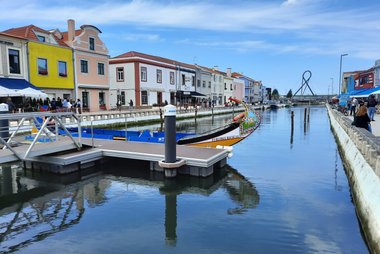

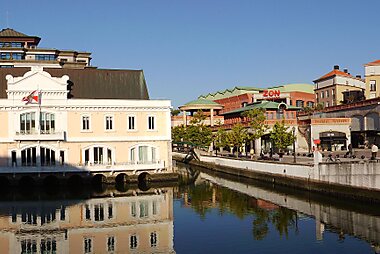
- Start with a boat trip on the canals. Barcos Moliceiros is the boarding point for moliceiro tours through the central canals.
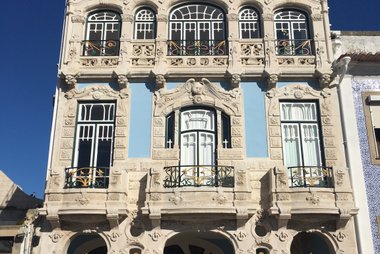
- Museu Arte Nova is in the Casa Major Pessoa, a landmark of Art Nouveau architecture. A tea house on the ground floor is a good break.
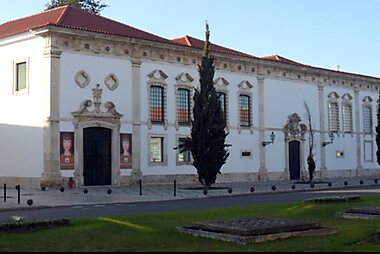
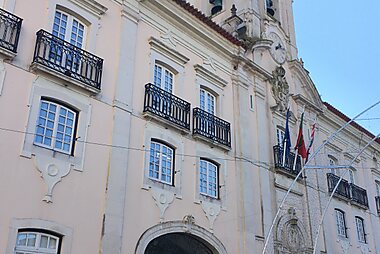
- Aveiro Museum is in the former Convento de Jesus. It holds the tomb of Saint Joana, who died in 1490.
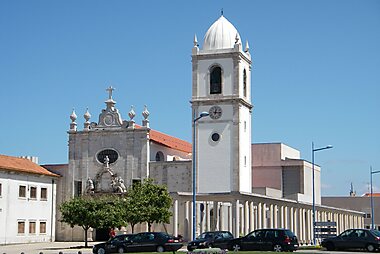
- Sé de Aveiro is a Baroque church founded in 1423 as a Dominican convent.
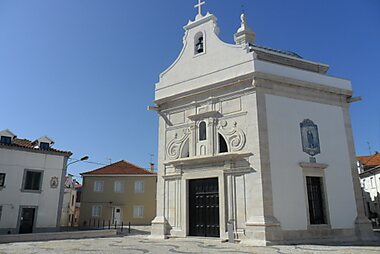
- São Gonçalinho Chapel is a small chapel in the old Beira-Mar area. It is the centre of the January festival.
- Salinas de Aveiro are traditional salt pans where salt is still raked by hand. Guided visits explain how it is made.
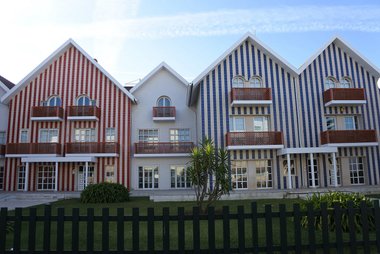
- Palheiros da Costa Nova are the striped wooden fishermen's houses of Costa Nova, about 10 km from the centre. They can be seen only from the outside.
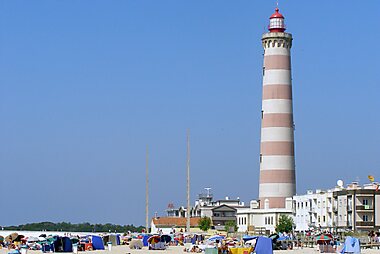
- Farol de Aveiro is the tallest lighthouse in Portugal, at 62 m. It is on the coast near Praia da Barra, about 10 km from the centre.
Featured Lists


What to experience
- Moliceiro boat trip: A ride on an open moliceiro boat through the central canals.
- São Gonçalinho festival (January): Sweet cavacas are thrown from the top of the chapel as thanks for vows. Locals try to catch them.
- Salt pan visit: Join a guided visit to see salt raked by hand.
- Festival dos Canais (July): A summer festival with performances across the city.
- Beach day: Take the bus to Costa Nova or Praia da Barra. The Atlantic is cool, so many people only paddle.
- Christmas: A moliceiro Santa parade and a large tree by the canal in December.
Tours & Activities
Aveiro — Map

 Open the interactive map
Day trips
Aveiro is a good base for easy trips. Nearby places come first.
- Costa Nova and Praia da Barra (about 10 km, local bus): Atlantic beaches. Costa Nova is known for Palheiros da Costa Nova, its rows of striped wooden houses.
- Ílhavo (about 7 km, bus or car): home of the Maritime Museum and the Vista Alegre porcelain factory and museum.
- Pateira de Fermentelos (about 12 km, car or bike): a large lagoon with birds, walks and quiet views.
- Águeda (about 20 km, car or the narrow-gauge Vouga line): a river town known for colourful umbrellas hung above its streets.
- Coimbra (short fast train ride): a university city with a UNESCO World Heritage old centre.
- Porto (about 35 to 70 minutes by train): the main city of the north.
- Arouca Geopark (inland, best by car): hills, rivers and rock formations.
Where to explore
Getting there
- By air: Aveiro has no airport. Most visitors fly to Porto (OPO). Take the metro to Campanhã station, then a train to Aveiro. Lisbon (LIS) also works: metro to Oriente station, then a direct train.
- By train: Aveiro is on the main line between Porto and Lisbon. Porto takes about 35 to 70 minutes and Lisbon about 2 to 2.5 hours, depending on the train. Alfa Pendular and Intercidades trains need a seat reservation. The station is about 1 km from the centre, a 15-minute walk. Book on CP Comboios de Portugal.
- By bus: Long-distance coaches run from Porto and other cities, but the train is the simpler choice.
Getting around
- City buses: AveiroBus runs the city network, including buses to Praia da Barra and Costa Nova. Buy a single ticket from the driver. Rechargeable cards are sold at the bus terminal ticket office. Check routes and fares on AveiroBus.
- On foot: The old centre is small and flat. You can walk to most sights in a few minutes.
- Cycling: Free BUGA city bikes can be borrowed at the BUGA shop at Praça do Mercado, during its opening hours.
Driving
- Is a car worth it? Not in the city. The centre is small and walkable. A car helps for beaches, lagoon villages and inland trips.
- Parking: Park at the edge of the centre and walk in. Many motorways around Aveiro charge tolls, so ask your rental company about a toll transponder.
Food & drink
The local sweet is ovos moles: egg yolk and sugar cream, often sold in small shell-shaped wafers. It has EU PGI protected status. Also look for trouxas de ovos, an egg and sugar sweet, and raivas, a local biscuit. Fresh fish and seafood from the lagoon and coast are common on menus.
For a meal, eat around the Canal Central and the fish market area near Praça do Peixe. Sweet shops in the centre sell ovos moles to take home.
Safety & health
Aveiro is a calm, safe city for visitors. Petty theft is uncommon, but keep an eye on bags in crowds and on trains. Lock your bike. At Barra and Costa Nova, the Atlantic can have strong currents. Swim only at beaches with lifeguards.
History
Aveiro lived from salt and sea trade. A storm in 1575 closed the lagoon mouth, and silting later hurt the port. An artificial channel to the sea, completed in 1808, brought trade back. You can still see the salt trade at Salinas de Aveiro.
King José I gave Aveiro city status in 1759. An annual trade fair, now the Feira de Março, was granted by King Duarte in 1435. In the early 20th century, the city built many Art Nouveau buildings, and Museu Arte Nova shows this style today. The Sé de Aveiro dates from the Dominican convent of 1423.
Country facts
Quick practical facts for Portugal at a glance:
- Currency
- Euro EUR € · Card payments · Widely accepted
- Emergency numbers
- 112
- Electricity
- 230 V · 50 HzType C / Type F
- Languages
- Portuguese
- Tap water
- Safe to drink
- Driving side
- Right
- Calling code
- +351


Aveiro – Plan Your Days
Turn the places from this guide into a real itinerary, with smart routing, time estimates, and everything you need for a perfect trip.


Related destinations


Data: © OpenStreetMap contributors, Wikidata, Wikipedia, Tripomatic, Official websites. Tours by GetYourGuide. We earn commission from bookings. Travel guide generated with AI.
Plan your trip with Tripomatic
- AI-Powered PlanningGet a ready-made day in one tap, let AI spread your shortlist across your trip, or plan everything by chatting.
- Travel AlertsOfficial advisories, severe weather, strikes, and natural hazards for the places on each day of your trip.
- Public Holidays & EventsSee holidays, festivals, and closures on the days of your trip, and what they mean for your plans.
- Cost EstimationAI-powered trip cost breakdowns so you know what to budget before you go.
- Tours & TicketsBook tours, skip-the-line tickets, and activities directly in your plan.