


Toulouse
Toulouse is the main city of southwest France. Its old centre is built of pink brick, so people call it La Ville rose, the pink city. It has about 515,000 residents and one of the largest student populations in France. The university dates from 1229, and the city feels young and lively.
The city is also the centre of the European aerospace industry. Airbus has its headquarters here, and space and aviation museums are among the best things to do. Toulouse suits a weekend or a few nights: a compact historic core, two UNESCO World Heritage listings, good food, and easy trips to the Pyrenees, Albi and Carcassonne.
Download this guide as a PDFPrintable tourist mapPublic holidays in France

Toulouse – Planning a Trip?
Build your day-by-day itinerary in the Tripomatic app.


When to visit
Spring and autumn are the best seasons. Days are warm and the evenings are pleasant for outdoor terraces. Summer is hot and sunny, and August can be very hot. Winter is mild but often grey and damp. The Autan, a warm dry wind from the southeast, sometimes blows in spring and summer.
The biggest event to plan around is the Rio Loco world music festival. It takes place in June, with concerts across several days.
Best time to visit: May, June, September, October
Top sights
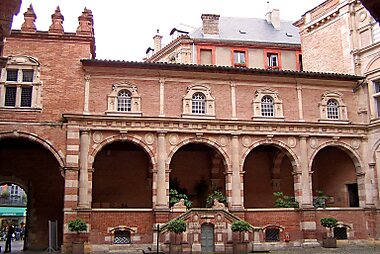
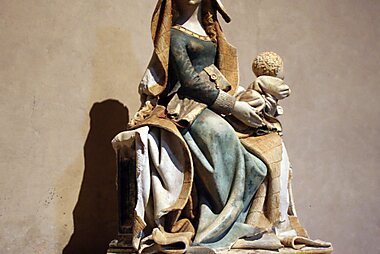
The historic centre is small and walkable. Most sights are within 20 minutes on foot of the main square.
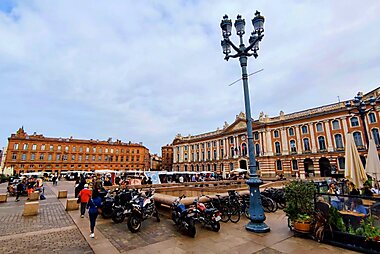
- Place du Capitole is the city's main square, paved in pink stone with a large Occitan cross. It is lined with arcades and cafés and is the best place to start.
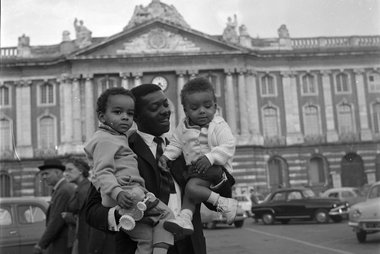
- The Capitole on the square holds the city hall and the opera house. Its long façade dates from the 1750s, and the Salle des Illustres inside is open to visitors.
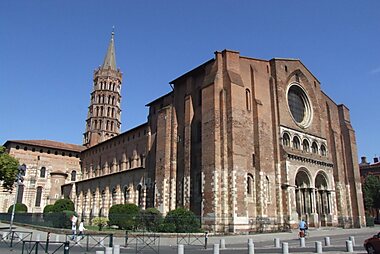
- Basilique Saint-Sernin is a huge Romanesque church in brick and stone. It is a UNESCO World Heritage site as part of the pilgrim routes to Santiago de Compostela.
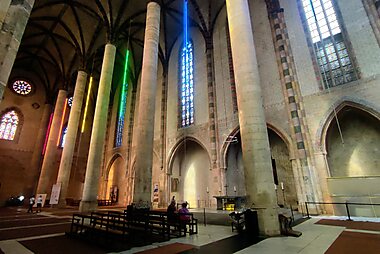
- Église des Jacobins is a 13th-century Dominican convent. Look up at the tall central pillar of the church, which spreads into a "palm tree" vault. It holds the relics of Saint Thomas Aquinas.
- Hôtel d'Assézat is a Renaissance mansion built by a wealthy pastel dye merchant. It now houses the Bemberg Foundation art collection.
- Musée des Augustins is the city's fine arts museum, in a former Augustinian convent with a Gothic cloister.
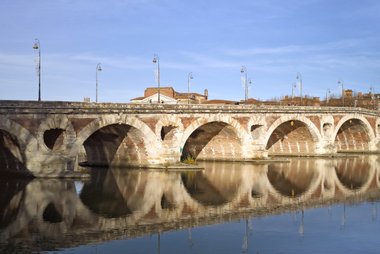
- Pont Neuf is the oldest bridge over the Garonne, finished in the early 17th century. It is a good place for river views at sunset.
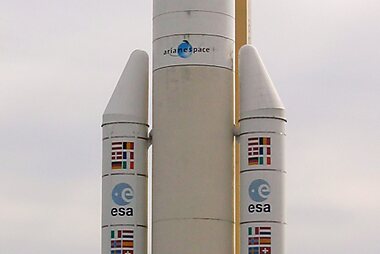
- Cité de l'Espace is a space park east of the centre. It has a full-size Ariane 5 rocket and a replica of the Mir space station. Allow half a day.
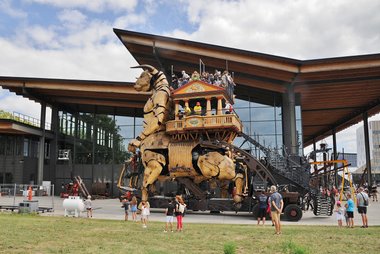
- Halle de La Machine shows giant moving machines in Montaudran, the old airfield of the early air mail pioneers. Its star is Asterion, a tall mechanical minotaur.
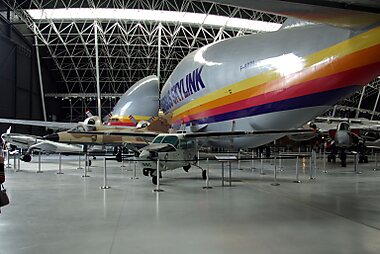
- Aeroscopia is an aviation museum in Blagnac, near the airport. Its collection includes a Concorde and many Airbus aircraft.
Featured Lists


Toulouse Religious Sites
Toulouse's spiritual landscape spans nearly two millennia, highlighted by the UNESCO-listed Romanesque Basilica of Saint-Sernin and the Gothic Church of the Jacobins, home to the unique 'palm tree' vault. The collection features architectural rarities like the bell-wall of Notre-Dame du Taur and the well-preserved Baroque murals of the Carmelite Chapel. Beyond Christian heritage, the list includes the 19th-century Synagogue Palaprat, the city’s oldest Jewish place of worship, and the Basilica of Notre-Dame de la Daurade, famous for its Black Virgin statue.
9 places
What to experience
- Watch the sunset from the Garonne embankments near Pont Neuf, when the brick buildings glow pink and orange.
- Walk or cycle the towpath of the Canal du Midi, a UNESCO-listed canal that is a quiet green route into the city.
- Go to a Stade Toulousain rugby match. Rugby is a local passion, and the season runs from late summer to early summer.
- Take a river or canal boat cruise in summer. Boats leave from the Garonne quays and the canal basins.
- Sit by the water at the Prairie des Filtres on a summer evening, a green space by the river where locals relax.
Tours & Activities
Toulouse — Map

 Open the interactive map
Day trips
Trains are the easiest way to reach several of these towns. They are listed from nearest to farthest.
- Montauban: about 30 minutes by train. A calm brick town on the Tarn river with a big arcaded square. See Montauban.
- Moissac: about 45 minutes by train. Its abbey has a famous 12th-century cloister and carved portal, both on the UNESCO pilgrim route list.
- Carcassonne: about 1 hour by train. The walled medieval Cité is a UNESCO World Heritage site. See Carcassonne.
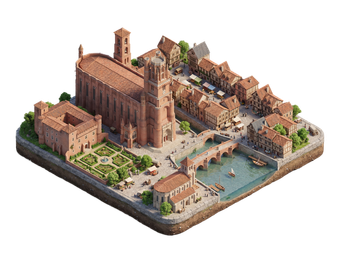
- Albi: about 1 hour by train. A red-brick city with a huge fortress-like cathedral and the Toulouse-Lautrec museum. The old town is a UNESCO World Heritage site. See Albi.
- Cordes-sur-Ciel: about 1 hour 15 minutes by car. A hilltop medieval village with steep streets and views. Public transport is limited.
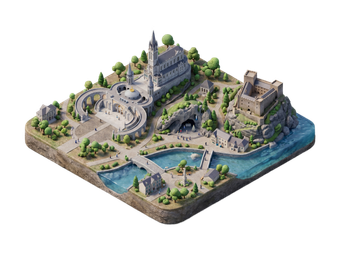
- Lourdes: about 2 hours by train. A major pilgrimage town at the edge of the Pyrenees. See Lourdes.
Where to explore
Other destinations in Occitania that work well with Toulouse:
- Nearby historic towns: Montauban, Albi and Carcassonne.
- Pyrenees: Lourdes.
- Mediterranean coast and cities: Montpellier and Nîmes.
Getting there
- By air: Toulouse-Blagnac Airport (TLS) is about 10 km northwest of the centre. It has many flights to Paris and other European cities. Tram T2 and an airport shuttle reach the city in about 20 to 30 minutes. Toulouse-Blagnac Airport
- By train: Toulouse-Matabiau station is in the city centre. High-speed and fast trains take about 4.5 hours from Paris, about 2 hours from Bordeaux and about 2.5 hours from Montpellier. SNCF Connect
- By bus: The long-distance coach station is next to Matabiau station. Coaches link Toulouse with Bordeaux, Barcelona and other cities.
Getting around
- Public transit: Tisséo runs two metro lines (A and B), two tram lines and many buses. You can tap a contactless bank card or phone on the validators. Tickets are also sold in the Tisséo app and at stations. Tisséo
- Bike share: VélôToulouse stations are all over the centre, and the land is flat.
- On foot: The historic core is compact and mostly pedestrian-friendly. Metro line A is useful for Capitole and the train station.
Driving
- Is a car worth it?: Not for the city. The centre is compact and the metro, tram and bike share work well. A car is useful only for villages and the countryside around Toulouse.
- Parking: Underground car parks are near Capitole and in the centre. Street parking in the centre is paid. Park-and-ride lots at metro and tram terminals are cheaper.
Food & drink
Toulouse cooking is rich and meaty. Look for cassoulet, a slow-cooked stew of white beans, sausage and duck or pork. The Toulouse sausage is another local classic. Violet sweets and candied violets are a local gift to bring home.
For a good meal, go to the lively streets around Place Saint-Georges and Place du Capitole for cafés and terraces. The Marché Victor Hugo is the best place for a market lunch, with small counters inside serving food at midday. The streets around Saint-Sernin and the Carmes district also have many restaurants.
Safety & health
Toulouse is generally safe for visitors. Pickpocketing can happen around the metro, the train station and crowded squares, so keep your bag closed. Take usual care at night near the station and along the river. Tap water is safe to drink.
History
Toulouse was an important Roman city, and later the capital of the Visigoths. In the Middle Ages it was a rich city of the Counts of Toulouse and the centre of the Occitan language area.
You can still see this past today. Basilique Saint-Sernin was built along the Santiago pilgrim route, and Église des Jacobins comes from the 13th-century order of Dominican friars. In the 15th and 16th centuries the city grew rich from pastel, a blue dye made from the woad plant. Merchants built grand mansions such as Hôtel d'Assézat. In the 20th century, aviation and then space industry shaped the city. Halle de La Machine stands on the site of the early air mail pioneers' airfield.
Country facts
Quick practical facts for France at a glance:
- Currency
- Euro EUR € · Card payments · Widely accepted
- Emergency numbers
- 112
- Electricity
- 230 V · 50 HzType C / Type E
- Languages
- French
- Tap water
- Safe to drink
- Driving side
- Right
- Calling code
- +33


Toulouse – Plan Your Days
Turn the places from this guide into a real itinerary, with smart routing, time estimates, and everything you need for a perfect trip.


Related destinations
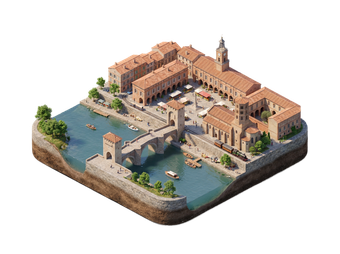
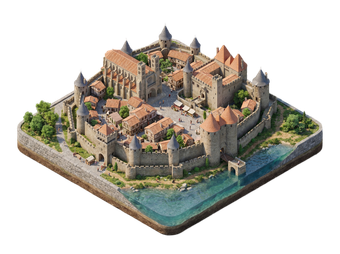
Data: © OpenStreetMap contributors, Wikidata, Wikipedia, Tripomatic, Official websites. Tours by GetYourGuide. We earn commission from bookings. Travel guide generated with AI.
Plan your trip with Tripomatic
- AI-Powered PlanningGet a ready-made day in one tap, let AI spread your shortlist across your trip, or plan everything by chatting.
- Travel AlertsOfficial advisories, severe weather, strikes, and natural hazards for the places on each day of your trip.
- Public Holidays & EventsSee holidays, festivals, and closures on the days of your trip, and what they mean for your plans.
- Cost EstimationAI-powered trip cost breakdowns so you know what to budget before you go.
- Tours & TicketsBook tours, skip-the-line tickets, and activities directly in your plan.