



Tokio
Tokio es la capital de Japón y el centro del área metropolitana más grande del mundo. Rascacielos ultramodernos se alzan junto a santuarios centenarios, y la ciudad cuenta con una extensa red de trenes y metro. Es ideal para los viajeros que buscan la energía de una gran metrópolis, una amplia oferta gastronómica que abarca desde puestos callejeros hasta restaurantes con estrellas Michelin, y excursiones fáciles a montañas, aguas termales e incluso islas subtropicales, todo accesible desde el mismo centro de transporte.
Más allá de los 23 distritos centrales que la mayoría de los visitantes conocen, la prefectura de Tokio se extiende hacia el oeste hasta llegar a montañas boscosas y hacia el sur hasta una cadena de islas remotas, lo que le otorga al destino mucha más variedad de la que sugiere su horizonte urbano.

Tokio – ¿Estás planeando un viaje?
Crea tu itinerario día a día en la app de Tripomatic.


Cuándo viajar
La primavera (de marzo a mayo) y el otoño (de octubre a noviembre) son suaves y populares por los cerezos en flor y los colores otoñales. El verano (de junio a septiembre) es caluroso y húmedo, con una temporada de lluvias en junio. El invierno es frío pero mayormente seco, con poca nieve en la ciudad.
Planifique su viaje en torno a la temporada de cerezos en flor a finales de marzo y principios de abril, cuando parques como el Parque Ueno y Shinjuku Gyoen se llenan de picnics de hanami; es la época de mayor afluencia, así que reserve con mucha antelación.
Mejor época para viajar: mayo, junio
Lugares destacados
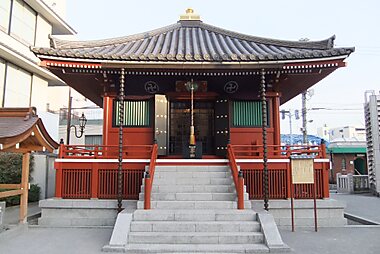

Sensō-ji es el templo más antiguo de Tokio, fundado en el siglo VII, y su brillante puerta roja y su concurrida calle de acceso lo convierten en uno de los lugares más fotografiados de la ciudad.
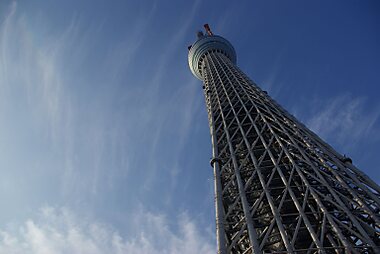
Para obtener la mejor vista de toda la ciudad, diríjase a Tokyo Skytree, la estructura más alta de Japón con 634 metros.
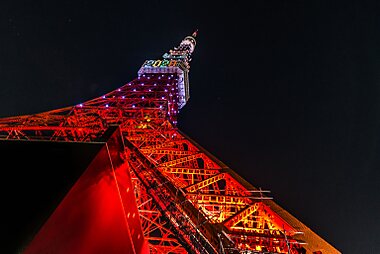
Tokyo Tower, construida en 1958 y modelada según la Torre Eiffel, es una plataforma de observación más baja pero igualmente querida, cerca del centro de la ciudad.
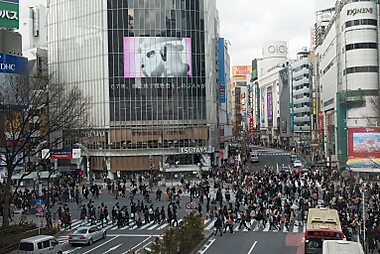
Shibuya Crossing es uno de los cruces peatonales más concurridos del mundo, con hasta 3,000 personas cruzando a la vez cuando cambian los semáforos.
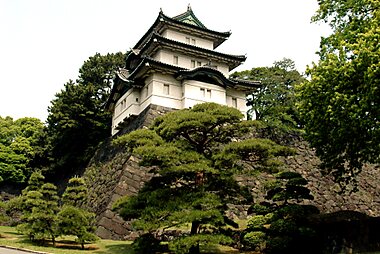
Palacio Imperial de Tokio se asienta en el sitio del antiguo castillo de Edo y sigue siendo la residencia del Emperador de Japón; el foso y los jardines circundantes están abiertos para pasear.
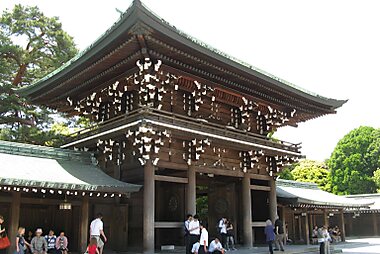
Santuario Meiji es un pacífico santuario sintoísta ubicado dentro de un bosque de 100,000 árboles donados desde todo Japón cuando fue construido en 1920.
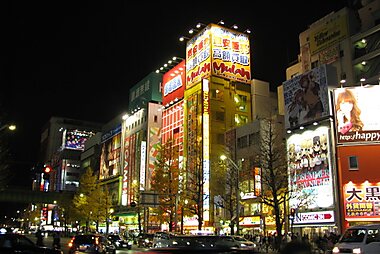
Akihabara es el centro de la cultura del anime, el manga y la electrónica de Tokio, repleto de tiendas de varios pisos y cafés temáticos.
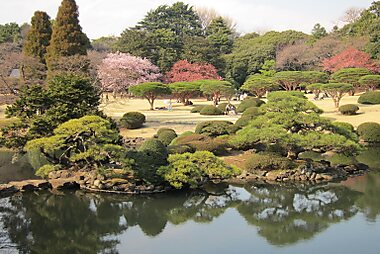
Shinjuku Gyoen combina estilos de jardines japoneses, franceses e ingleses en un gran parque, un refugio tranquilo frente a los rascacielos circundantes.
Listas destacadas


Santuarios Shinto de Tokio
Esta colección destaca santuarios Shinto en toda la Metrópoli de Tokio, abarcando desde los bulliciosos distritos de Shinjuku y Ueno hasta las remotas islas Ogasawara e Izu. Incluye monumentos históricos como el Ueno Tōshō-gū del siglo XVII, dedicado al shogunato Tokugawa, y el Santuario Yasukuni, fundado en 1869. La lista también presenta santuarios insulares apartados, como los de la isla volcánica de Aogashima y la lejana Hahajima, ilustrando el diverso alcance geográfico del Shinto en la región.
7 lugares

Qué experimentar
- Adéntrate en teamLab Planets, un espacio de arte digital donde caminarás descalzo a través de instalaciones de agua y luz en lugar de simplemente observarlas.
- Pasa una noche saltando entre los diminutos bares de seis asientos de Shinjuku Golden Gai en Shinjuku; cada uno tiene una temática y un público diferentes.
- Toma asiento en uno de los puestos de yakitori a lo largo de Omoide-yokocho, un estrecho callejón de parrillas llenas de humo que apenas ha cambiado desde los años de la posguerra.
- Asiste a un torneo de sumo si las fechas coinciden, o visita el Museo de Sumo en Ryogoku para conocer de cerca la historia de este deporte.
- Haz senderismo en el monte Takao, una montaña dentro de los límites de Tokio, a la que se puede llegar en tren y teleférico en menos de una hora desde el centro de la ciudad.
- Contempla la puesta de sol sobre la bahía cerca del Rainbow Bridge en Odaiba.
Tours y actividades
Tokio — Mapa

 Abrir el mapa interactivo
 Excursiones de un día
La red ferroviaria de Tokio pone al alcance de la mano varias excursiones de un día muy diferentes.
- Yokohama — a unos 30 minutos en tren. La segunda ciudad más grande de Japón cuenta con un gran distrito frente al mar, un gran barrio chino y una historia internacional distintiva.
- Kamakura — a aproximadamente 1 hora en tren. Una antigua capital samurái con docenas de templos y santuarios, incluida una estatua de bronce de Buda de 13 metros, además de un ambiente relajado de ciudad costera.
- Kawagoe — a aproximadamente 1 hora en tren. Conocida como la "Pequeña Edo" por sus calles de edificios de almacenes conservados del periodo Edo.
- Hakone — a entre 1,5 y 2 horas en tren. Una zona de complejos turísticos de aguas termales con vistas al monte Fuji en días despejados, a la que se puede llegar mediante una combinación de tren panorámico, teleférico y barco.
- Nikko — a unas 2 horas en tren. Una ciudad de montaña famosa por sus santuarios y mausoleos elaboradamente decorados situados entre antiguos bosques de cedros, declarados Patrimonio de la Humanidad por la UNESCO.
Qué explorar
La prefectura de Tokio abarca mucho más que el centro de la ciudad.
Los distritos especiales de Tokio son el núcleo urbano que la mayoría de los visitantes exploran: una extensión continua de barrios que incluye Shibuya, Shinjuku y Asakusa.
Al oeste de la ciudad, el área de Tama se eleva hacia colinas boscosas y montañas, incluido el monte Takao, un popular lugar de senderismo a solo una hora del centro de Tokio.
Al sur del territorio continental, las islas Izu y Ogasawara se extienden casi 1000 km hacia el Pacífico, con playas, buceo y avistamiento de ballenas muy lejos del horizonte urbano de la ciudad.
Cómo llegar
- Por aire: Dos aeropuertos sirven a Tokio. El Aeropuerto de Haneda es la opción más cercana, a unos 30 minutos del centro de Tokio en monorraíl o tren. El Aeropuerto de Narita está más lejos, a unos 60-90 minutos a través del tren Narita Express o el Skyliner.
- Por tren: La Estación de Tokio es el centro principal para el Tokaido Shinkansen (hacia Kioto, Osaka y Nagoya) y el Tohoku Shinkansen (hacia Sendai y más allá). La Estación de Shinagawa también sirve la línea Tokaido Shinkansen hacia Kioto y Osaka.
- Por autobús: Los autobuses nocturnos de carretera conectan a Tokio con ciudades de todo el país a un costo menor que el Shinkansen, llegando principalmente a las terminales de autobuses de Shinjuku y la Estación de Tokio.
Cómo desplazarse
- Transporte público: La línea circular JR Yamanote y las redes de metro de Tokyo Metro y Toei cubren la ciudad. Compre una tarjeta IC (Suica o Pasmo) y utilícela en las puertas de acceso; no es necesario usar billetes de papel en la mayoría de los trayectos. Ambas tarjetas también pueden cargarse en un teléfono inteligente. Tokyo Metro
- Taxi: Los taxis funcionan con taxímetro, son limpios y fiables, pero más caros que el tren. Las aplicaciones de transporte funcionan, pero cubren muchos menos coches que las paradas de taxis convencionales.
- A pie: Los distritos centrales se pueden recorrer a pie, pero las distancias entre ellos son largas; es preferible tomar el tren entre zonas en lugar de caminar.
Conducción
- ¿Vale la pena alquilar un coche?: No, para una estancia en el centro de la ciudad. La red ferroviaria llega a todos los lugares útiles, y el tráfico de la ciudad junto con el costoso estacionamiento hacen que conducir sea poco práctico. Un coche solo es útil para explorar las montañas de la zona de Tama u otras partes remotas de la prefectura.
- Aparcamiento: Los aparcamientos de pago cerca de las estaciones y los grandes almacenes son la norma; el estacionamiento en la calle es escaso y se controla estrictamente.
- Restricciones: La red de autopistas Shuto cobra peajes basados en la distancia mediante una tarjeta ETC; el centro de Tokio no tiene un cargo por congestión independiente.
Gastronomía
La escena gastronómica de Tokio abarca desde un rápido tazón de fideos de pie hasta algunos de los mostradores de sushi más exclusivos del país, a menudo reservados con meses de antelación.
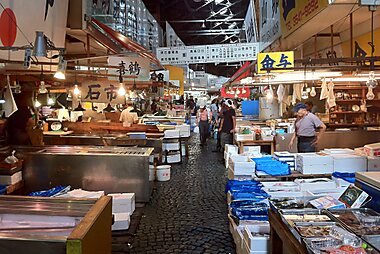
Para una experiencia culinaria exploratoria, recorra los puestos del Mercado exterior de Tsukiji, el histórico mercado exterior que todavía vende mariscos frescos, brochetas y bocadillos callejeros, a pesar de que la subasta mayorista se trasladó a otro lugar. Para comer ramen, diríjase al subterráneo de Tokyo Ramen Street, cerca de la estación de Tokio, donde se encuentran varias tiendas conocidas una al lado de la otra.
Seguridad y salud
Tokio es una de las grandes ciudades más seguras para visitar; los delitos violentos son poco frecuentes y es habitual ver bolsos sin vigilancia ocupando una mesa en una cafetería. Los problemas más comunes con los que se encuentran los turistas son los carteristas en trenes abarrotados durante las horas punta y los bares con precios excesivos en zonas de ocio nocturno como Kabukicho y Roppongi, que presionan a los clientes para que paguen facturas infladas: limítese a los locales con precios claramente indicados.
Japón se encuentra en una zona sísmica activa. Los temblores leves son comunes y los edificios siguen estrictos códigos sísmicos, así que siga todas las instrucciones de evacuación publicadas si se produce uno de mayor magnitud.
Historia
Tokio comenzó como el pequeño pueblo pesquero de Edo. Se convirtió en el centro de poder del país en 1603, cuando Tokugawa Ieyasu amplió una fortaleza existente para convertirla en el Castillo de Edo y estableció allí su base; el lugar es ahora el Palacio Imperial de Tokio. Para el siglo XVIII, Edo se había convertido en una de las ciudades más grandes del mundo.
La ciudad fue rebautizada como Tokio, que significa "capital del este", en 1868, cuando el Emperador trasladó allí su corte desde Kioto. Fue reconstruida dos veces en el siglo XX: tras el Gran Terremoto de Kanto de 1923 y después de los bombardeos aliados durante la Segunda Guerra Mundial. El Sensō-ji fue destruido en los ataques aéreos de 1945 y reconstruido posteriormente, al igual que muchos de los sitios históricos de Tokio.
Datos del país
Aquí tiene lo esencial para viajar a Japón:
- Moneda
- yen japonés JPY ¥ · Pago con tarjeta · Habitualmente aceptado
- Teléfonos de emergencia
- 118
- Electricidad
- 100 V · 60 HzTipo A / Tipo B
- Idiomas
- japonés
- Agua del grifo
- Potable
- Sentido de la circulación
- Izquierda
- Prefijo telefónico
- +81


Tokio – Planifica tus días
Convierte los lugares de esta guía en un itinerario real, con rutas inteligentes, estimaciones de tiempo y todo lo que necesitas para un viaje perfecto.




